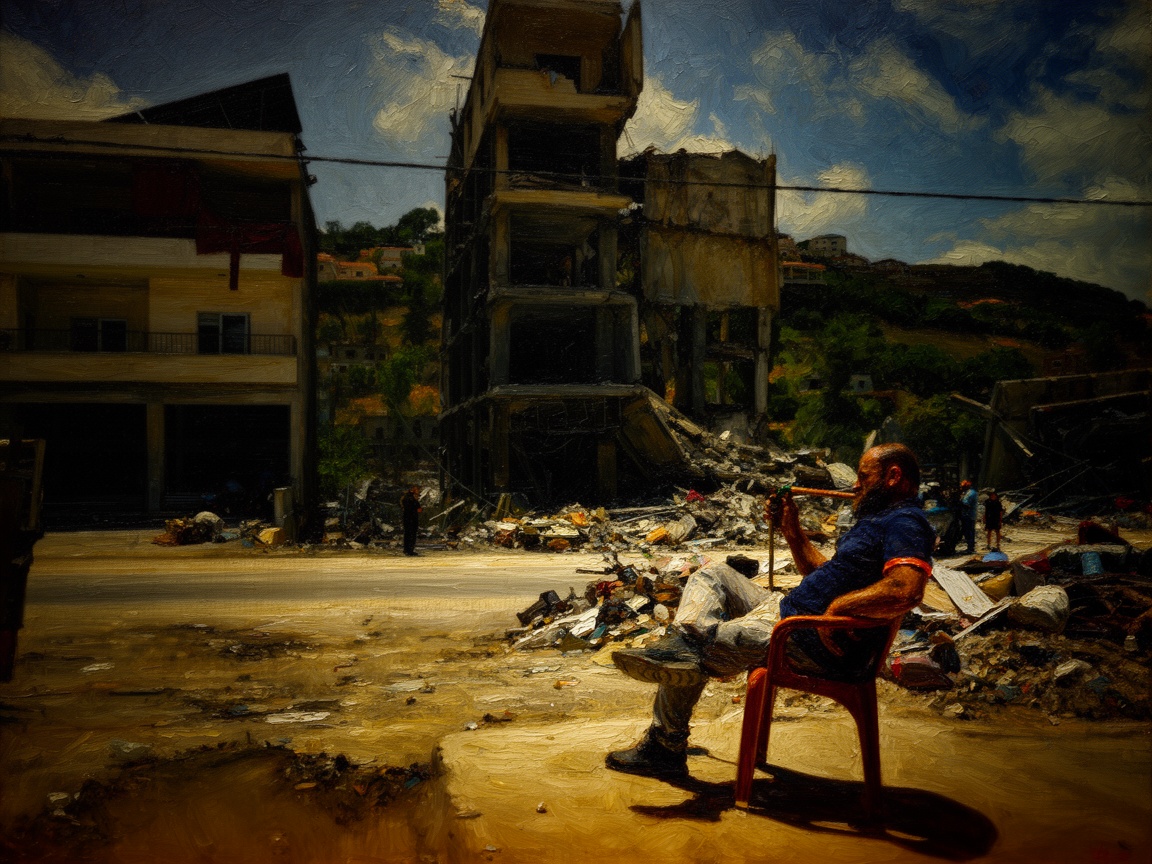
Israeli Attacks Kill 2 in Southern Lebanon as Talks Continue
Israel's military operations in southern Lebanon have resulted in two deaths. Despite ongoing diplomatic discussions in Washington, Israeli Defense Minister Yoav Gallant confirms that troops will remain deployed in the area.
Israeli airstrikes have reportedly resulted in the deaths of two individuals in southern Lebanon. This escalation continues despite diplomatic efforts taking place in Washington aimed at de-escalating tensions in the region. Israeli Defense Minister Yoav Gallant stated that Israeli troops will not withdraw from southern Lebanon, indicating a prolonged military presence in the region.
The situation in southern Lebanon has seen a decrease in the frequency of attacks, yet they have not ceased entirely. The presence of Israeli forces has drawn criticism from various international stakeholders, with calls for a diplomatic solution continuing amidst concerns of further escalations. The Israeli government maintains that military actions will persist as necessary to ensure national security.
Strategically, Israel's ongoing operations in southern Lebanon reflect a broader context of regional insecurity and military engagement. As the Israeli military remains active, the potential for conflict escalation persists, challenging the fragile stability in the region. The implications of these actions not only affect Lebanon but raise tensions with Iran and Hezbollah, who perceive Israeli actions as provocations.
Operationally, the Israeli Defense Forces (IDF) have indicated readiness to utilize advanced military capabilities in response to threats. The reliance on airstrikes suggests a strategy focused on targeted engagements rather than a full-scale ground offensive, maintaining operational flexibility while limiting troop exposure in volatile areas.
In the coming weeks, the situation in southern Lebanon is likely to remain tense. The continuation of Israeli military operations may bolster Hezbollah's narrative of resistance, potentially leading to increased recruitment or support for the group. Any failure to address the underlying issues could further entrench a cycle of violence in the region, complicating diplomatic efforts and regional stability.