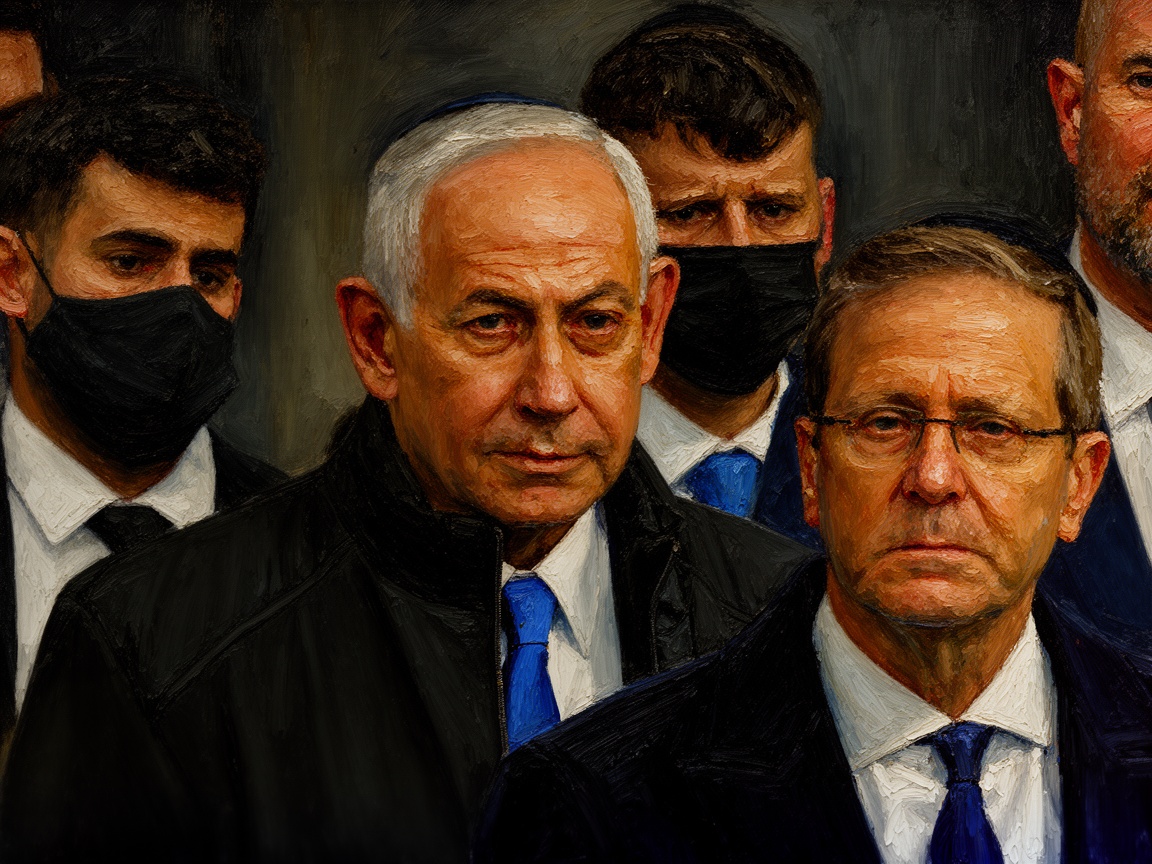
Israeli Backlash Against Netanyahu's Lebanon Bombing Strategy
The Israeli Prime Minister Benjamin Netanyahu is under increasing pressure from hawkish political figures over his approach to military operations in Lebanon. Criticism centers on perceived restraint in targeting Beirut.
Israeli Prime Minister Benjamin Netanyahu is facing significant backlash from hawkish factions within the Israeli government and military. Critics have accused him of showing too much restraint in military operations, particularly pointing to his decisions regarding airstrikes in Beirut. Calls for a more aggressive stance reflect a deepening frustration among some political elites who demand decisive action against perceived threats from Lebanon.
Netanyahu's leadership style has been characterized by careful assessment, particularly in conflict-laden regions like Lebanon. While he has maintained a level of deterrence, critics argue that the current approach is inadequate to address the escalating tensions. Beirut, a city with a complex history and significant geopolitical implications, has become a focal point for military strategies in the ongoing conflict.
This situation is strategically significant as it highlights the internal divisions within Israeli politics regarding military engagement. The hawks advocating for increased aerial operations may escalate tensions in an already volatile region, affecting Israel's military posture and diplomatic relations. Any decision to alter airstrike protocols carries substantial risks, including potential retaliation from Hezbollah and broader regional instability.
Operationally, the Israeli Defense Forces (IDF) have been prepared for a range of scenarios involving Lebanon. The IDF's air capabilities, including precision-guided munitions and advanced surveillance technologies, are critical assets in any conflict scenario. Budget allocations towards enhancing these capabilities continue to rise as Israel navigates the complex security environment.
Moving forward, Netanyahu's decisions will be closely watched as he balances internal political pressure with the imperatives of national security. The reaction from his political opponents could influence future military policies. Failure to adequately address hawkish demands could further destabilize his administration, leading to increased scrutiny of Israel's military strategies in Lebanon and beyond.