Israeli Forces Cross Litani River in Northern Lebanon
Israel's military escalation in Lebanon heightens regional tensions amid ongoing fighting with Hezbollah.
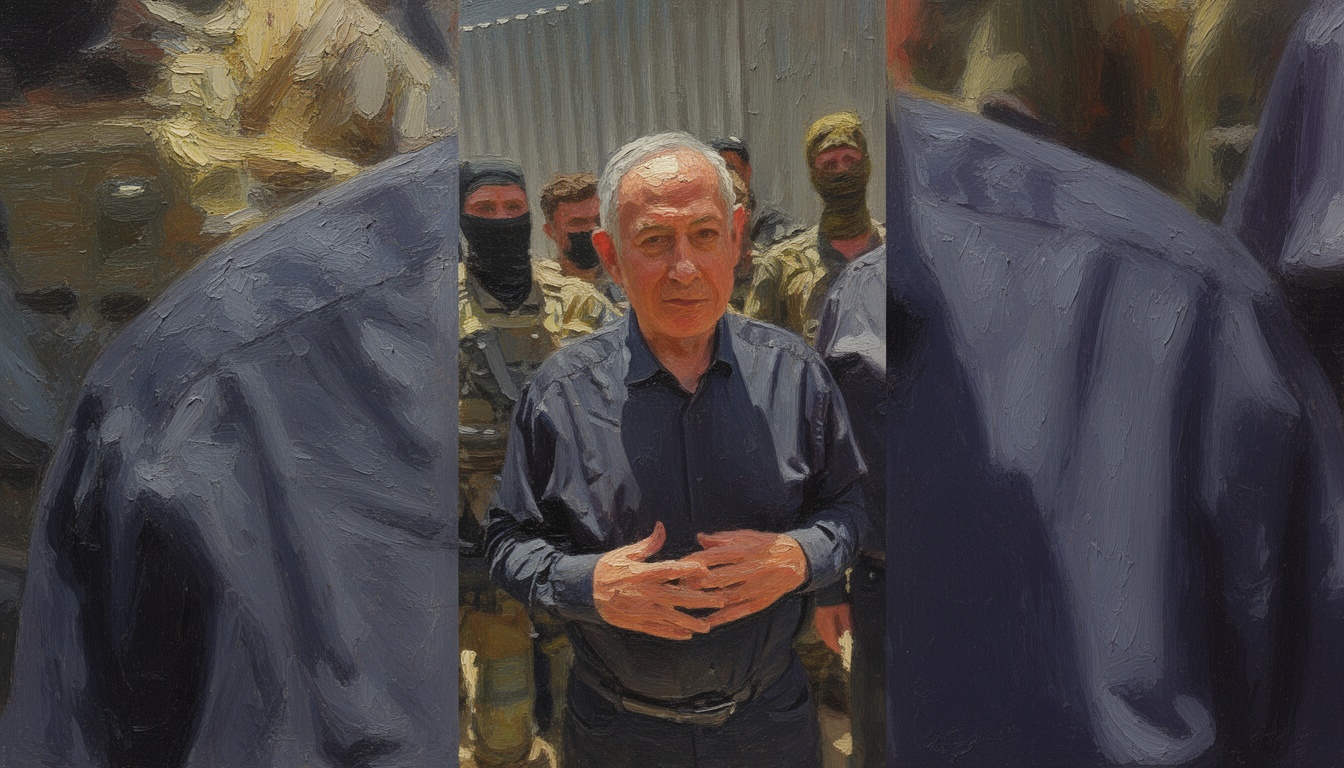
Israeli forces have advanced further into northern Lebanon, reportedly crossing the Litani River, which serves as a significant geographical marker in the area. Israeli Prime Minister Binyamin Netanyahu confirmed the troops' movement into this strategic zone, which is generally recognized as the northern boundary of the UN-monitored area in Southern Lebanon. This marks a notable shift in Israeli military operations, which have been ongoing for several weeks despite an alleged ceasefire.
The background to this escalation can be traced back to the rising hostilities between Israel and Hezbollah following the onset of increased rocket fire and skirmishes across the Israeli-Lebanese border. The presence of Iran-backed Hezbollah militants has fueled these clashes, complicating efforts for peace and stability in this volatile region. The UN peacekeeping force has been trying to monitor the situation; however, continued hostilities challenge their effectiveness.
Strategically, Israel's crossing into the Litani River area is a significant move that could redefine the security landscape in Southern Lebanon. The area has long been a point of contention between Israel and Hezbollah, with past conflicts revolving around territorial control. This latest advance could lead to escalated military engagements and raise concerns over broader regional destabilization, particularly with Iran closely observing the situation.
Reports indicate that Israeli ground forces, supported by airstrikes, have enhanced their capabilities in operational terms. The utilization of advanced weaponry, including precision-guided munitions, has characterized this military campaign. Israel's defense sectors have also focused on increasing cooperation among military units, potentially leading to better coordination and effectiveness.
As this situation develops, the consequences could be severe. Should fighting continue to escalate, the region could see a renewed conflict that may draw in additional actors, particularly Iran, which backs Hezbollah. The international community's response to this situation will also be pivotal in shaping the future stability of Lebanon and the broader Middle Eastern geopolitical landscape.