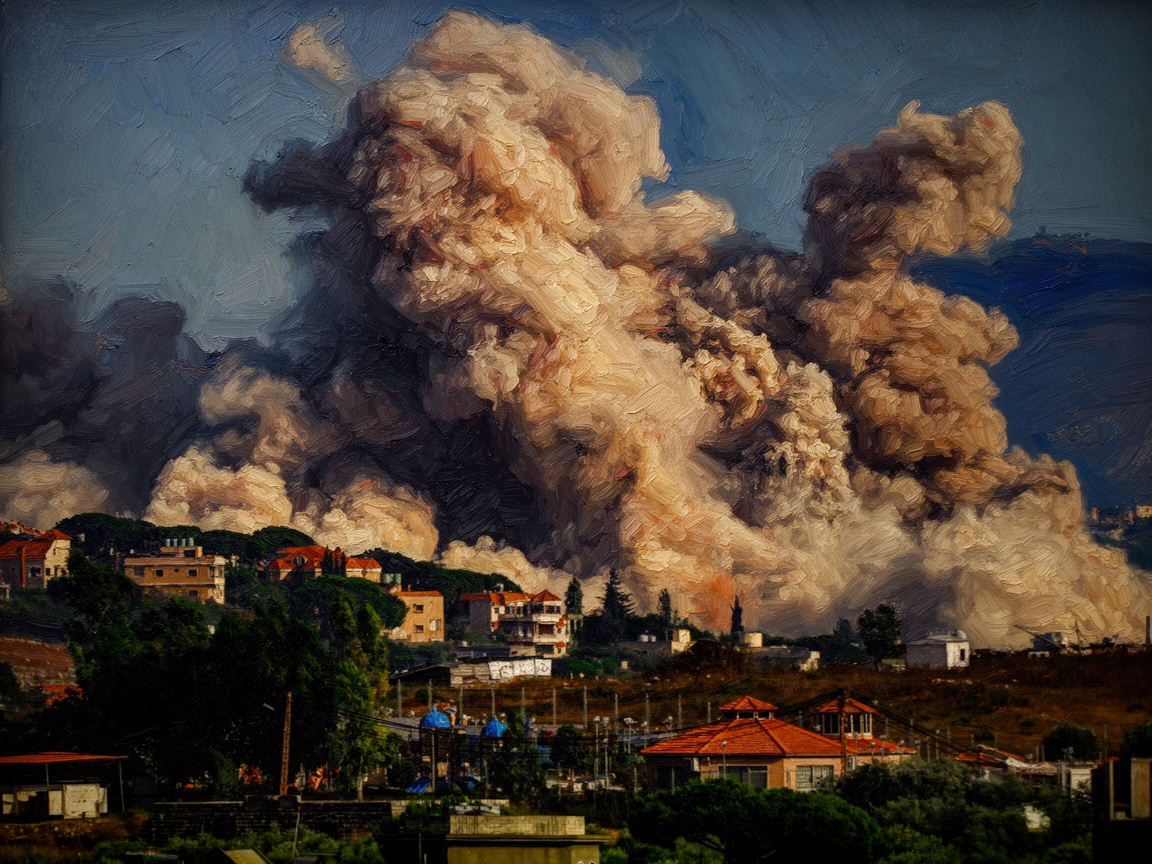
Israeli Forces Detonate Structures Near Beaufort Castle in Lebanon
Israel has conducted a military operation targeting alleged Hezbollah tunnels in southern Lebanon. The latest explosions near the UNESCO-listed Beaufort Castle signify ongoing conflicts in the region.
On Tuesday, Israeli Defense Forces detonated multiple structures near Beaufort Castle in southern Lebanon, claiming that these were connected to Hezbollah's tunnel network. This operation reportedly resulted in significant explosions that were audible beyond the immediate vicinity of the ancient fortress, a UNESCO World Heritage site.
The Beaufort Castle area has long been a contested site between Israel and Hezbollah, with the latter using the region for operational support. Israel has accused Hezbollah of using the tunnels to facilitate attacks across the border and enhance their logistical capabilities within Lebanon. This military action highlights the persistent tensions and military confrontations in the Israel-Lebanon border area.
Strategically, the destruction of tunnels is intended to undermine Hezbollah's operational readiness and reassert Israel's deterrence capabilities. Such actions are part of Israel's ongoing efforts to maintain security along its northern border. The use of explosive charges may indicate a shift towards a more aggressive posture in countering perceived threats from non-state actors.
Operationally, the use of controlled demolitions near historical sites raises concerns about collateral damage and the preservation of cultural heritage. However, Israel contends that military necessity outweighs these concerns, arguing that disrupting militant infrastructure is crucial for national security. The specific nature of the destroyed structures, however, has not been detailed by the Israeli military.
These developments could provoke a further escalation in hostilities as Hezbollah may respond to these aggressive actions. The situation will likely attract international scrutiny given the tensions surrounding UNESCO sites, which complicates the broader security and diplomatic landscape in the region.