Israeli Ministry of Defense Protests Isolation at Eurosatory Show
Significant tension arises as Israeli firms face challenges at the Eurosatory defense expo. Smaller Israeli companies are reportedly restricted, raising concerns over defense collaboration.
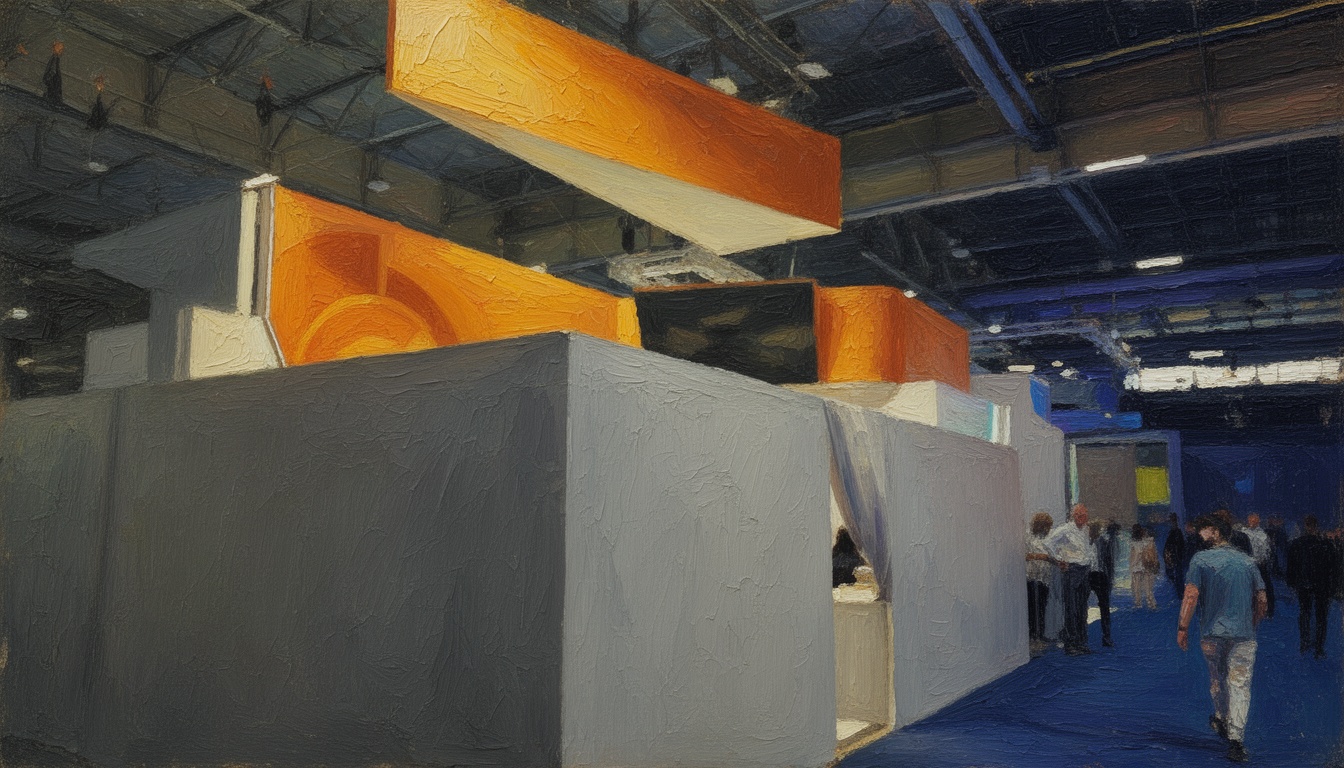
Israeli Ministry of Defense officials have expressed outrage over the apparent isolation of Israeli booths at the Eurosatory defense exhibition in Paris. Smaller Israeli firms allegedly found their booths concealed behind temporary walls, limiting their visibility and access to potential partnerships. In contrast, larger Israeli defense companies maintained open spaces, yet few exhibited significant weapon systems, raising questions about their preparedness and engagement at this prominent event.
The Eurosatory defense show, taking place from June 12 to June 16, serves as a critical platform for international defense manufacturers to showcase their latest capabilities and foster global partnerships. Israeli defense firms have historically participated actively in this expo, highlighting their innovations in weaponry and technology. However, this year's arrangements have caused concern, particularly for smaller companies that depend on visibility to attract foreign clients and attract investment.
The strategic significance of this development lies in the tension it highlights within the European defense ecosystem. The apparent sidelining of Israeli firms during such a major international display may impact future collaborations and defense deals. Furthermore, it points to underlying geopolitical tensions that could be affecting perceptions of Israeli defense manufacturers within Europe.
While smaller Israeli firms have been affected adversely, larger companies such as Elbit Systems and Rafael Advanced Defense Systems still aim to reinforce their position on the global stage. However, the lack of significant weapon systems on display could undermine their attempts to secure new contracts and partnerships. Analysts suggest that the reduced visibility may reflect broader geopolitical dynamics at play and bring into question the future engagement of Israeli firms in European exhibitions.
Looking ahead, the consequences of this incident may reverberate throughout the international defense community. As firms evaluate their participation in future exhibitions, increased scrutiny on geopolitical factors may arise. If Israeli firms continue to face barriers to entry in European defense markets, it could prompt a reevaluation of defense strategies and alliances in the region.