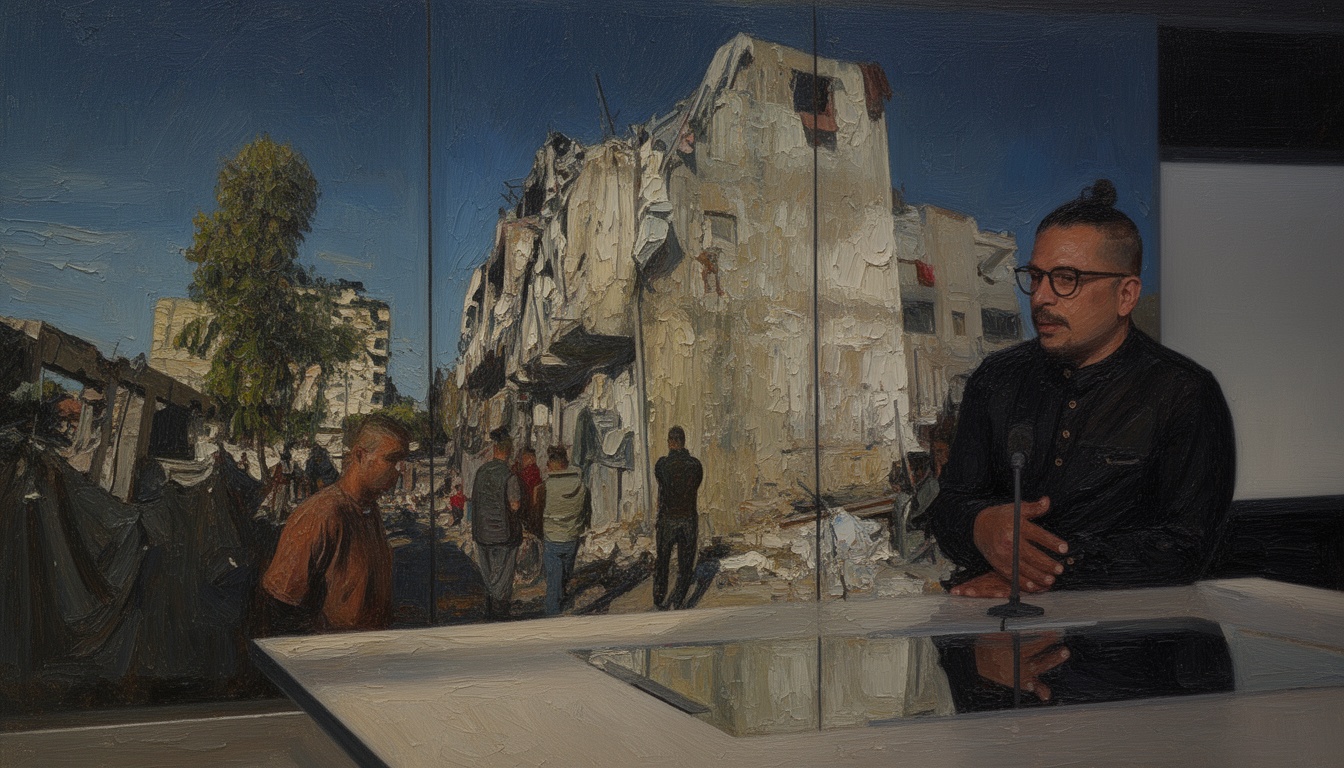
Israeli Strikes Continue Amid Dire Conditions in Gaza
The ongoing violence in Gaza highlights significant humanitarian challenges. Despite reported ceasefires, living conditions remain critical, impacting the civilian population's stability and security.
Following the October 2025 ceasefire, reports indicate that strikes in Gaza continue, exacerbating already dire humanitarian conditions. Dr. Adi Nadimpalli, the Medical Coordinator for Gaza with Doctors Without Borders, has emphasized the significant deterioration facing the territory, stating that despite some reduction in kinetic injuries and violence, the overall situation remains precarious.
The ongoing airstrikes have led to mass displacements and inadequate access to food, leading to a situation characterized by extreme insecurity and collapsing living standards. Many civilians remain trapped in a cycle of violence and deprivation, with everyday life increasingly threatened by the instability surrounding them.
Dr. Nadimpalli's assessment sheds light on the broader implications of the ongoing conflict, particularly for the civilian population. Medical facilities continue to struggle with overwhelming numbers of patients while facing shortages of supplies and personnel, highlighting a critical need for humanitarian assistance amidst the fighting.
Operational challenges persist as humanitarian delivery routes are frequently disrupted by the ongoing military activities. The likelihood of worsening conditions raises concerns among international observers regarding regional stability and the potential for a protracted humanitarian crisis in Gaza.
As the violence continues, the need for an effective international response remains urgent. The prospects for peace and normalcy in Gaza are increasingly uncertain, as the cycle of conflict and humanitarian need deepens.