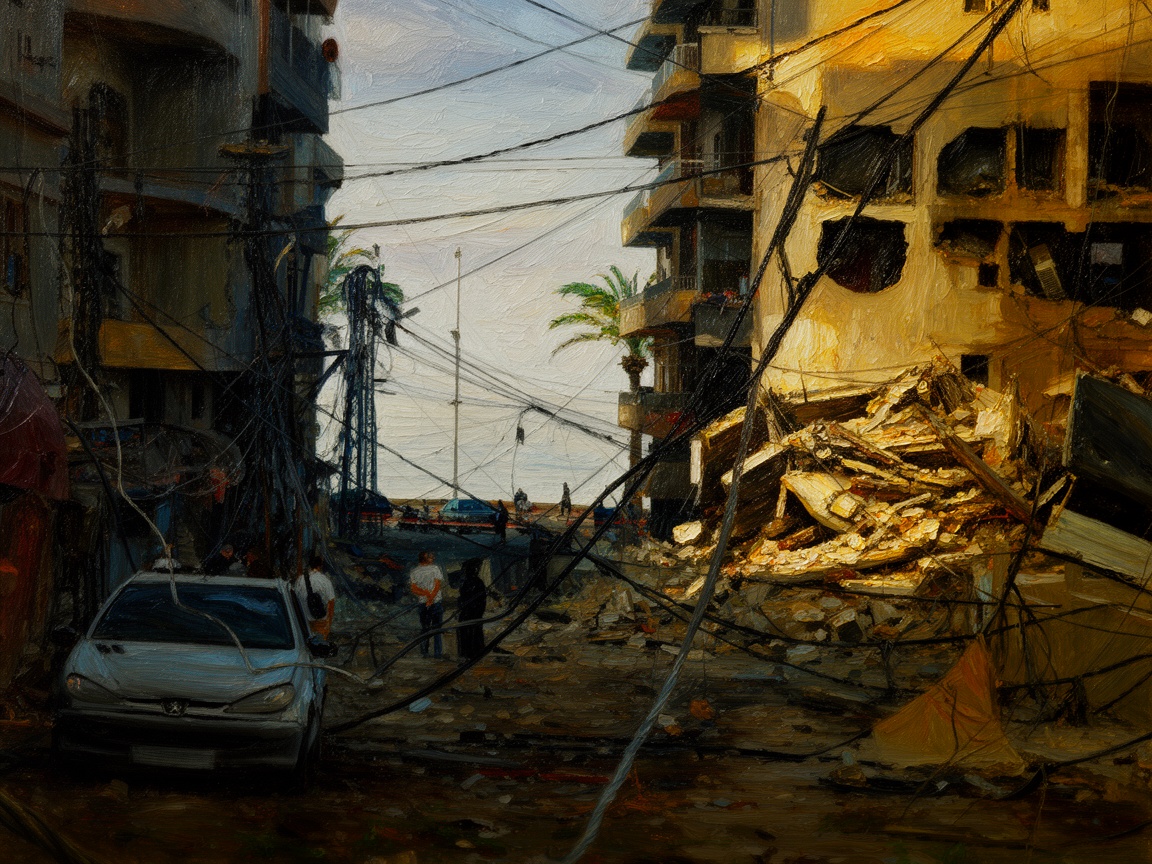
Israeli Strikes Hit Southern Lebanon Despite Ceasefire Claims
Israeli airstrikes continue to target southern Lebanon, challenging ceasefire agreements. This escalation raises concerns over regional stability and humanitarian conditions.
Israeli airstrikes have targeted southern Lebanon, defying claims of a ceasefire between Israel and Hezbollah. Reports indicate that the air attacks occurred on specific locations near the Syrian border, creating further instability in an already tense region. Local residents have reported living under continuous threat and fear as displacement orders are issued in response to the attacks.
Background context reveals that ceasefire agreements have been fragile at best, often punctuated by resumed hostilities when tensions rise. The ongoing conflict between Israel and Hezbollah has been officially marked by retaliatory actions from both sides since the last escalation, creating a volatile environment where each side remains wary of the other’s intentions.
Strategically, these airstrikes signify Israel's commitment to counter perceived threats emanating from Hezbollah in southern Lebanon. The strikes are part of a broader military strategy aimed at reinforcing Israel's deterrent posture while challenging Hezbollah's operational capabilities. The situation underscores the precarious security dynamics in the region, particularly with ongoing tensions along Israel's northern borders.
Operationally, the airstrikes employed precision-guided munitions, a tactic used by the Israel Defense Forces (IDF) intended to minimize collateral damage while maximizing the impact on military targets. This approach reflects Israel's shift toward advanced technology in warfare, ensuring effective strikes against designated targets while navigating international scrutiny regarding its military actions.
Looking ahead, these developments could further escalate tensions in southern Lebanon and along the Syrian border. The potential for increased hostilities raises significant concerns for civilian populations already affected by conflict-related displacement. As these strikes continue, pressures may mount on international actors to mediate a more sustainable ceasefire to prevent a humanitarian crisis from unfolding.