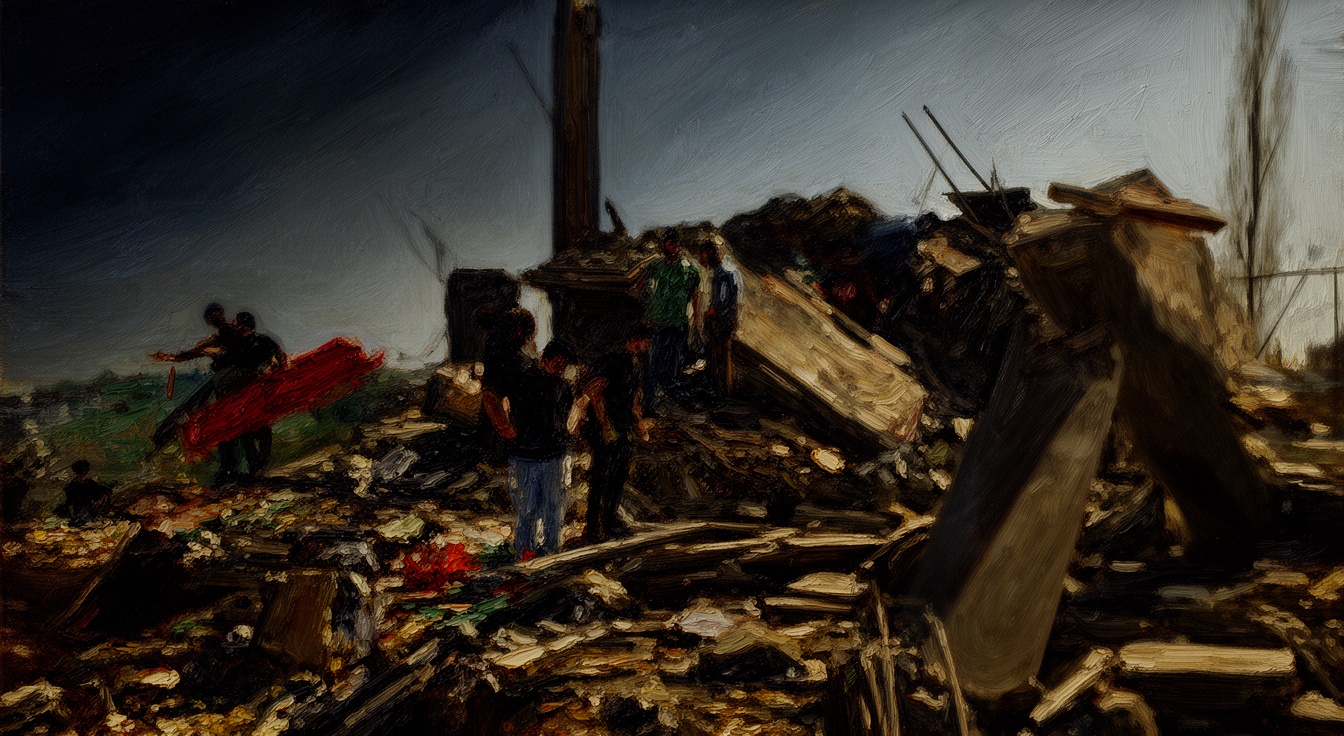
Israeli Strikes in Lebanon Result in 39 Fatalities
The ongoing clashes between Israel and Hezbollah persist despite a recently announced ceasefire. The international community is concerned about the escalation of violence in the region.
Israeli airstrikes in Lebanon have reportedly killed 39 individuals, intensifying the ongoing conflict between Israel and Hezbollah. This escalation comes despite a ceasefire agreement that was announced last month, which had aimed to reduce hostilities between the two parties.
Background context reveals that both Israel and Hezbollah have exchanged fire in various regions, undermining efforts to stabilize the situation. The ceasefire, established to halt these exchanges, appears to have little effect as hostilities resume, highlighting a volatile security environment in Lebanon.
The strategic significance of this development cannot be understated. As violence escalates, the potential for regional destabilization increases, drawing in other nations and affecting global security interests. Lebanon’s precarious political landscape further complicates the situation, as internal divisions may influence Hezbollah's actions.
Specific details of the Israeli operations indicate that precision airstrikes targeted Hezbollah positions in Southern Lebanon. The armed group, known for its extensive missile capabilities and combat experience, continues to pose a significant threat in the region. The magnitude of the casualties raises concerns about potential retaliatory measures by Hezbollah against Israeli interests.
In terms of consequences, the escalation of violence could lead to an extended conflict, adversely affecting stability in Lebanon and the surrounding areas. It is likely that both sides will continue to engage militarily, prompting increased international scrutiny and potential diplomatic interventions to prevent further escalation.