Israeli Strikes on Beirut Kill Two Amid Escalating Tensions
Israel's airstrikes on southern Beirut have raised alarms over regional instability. With two fatalities and numerous injuries reported, the situation remains fraught with danger as Hezbollah continues its threats.
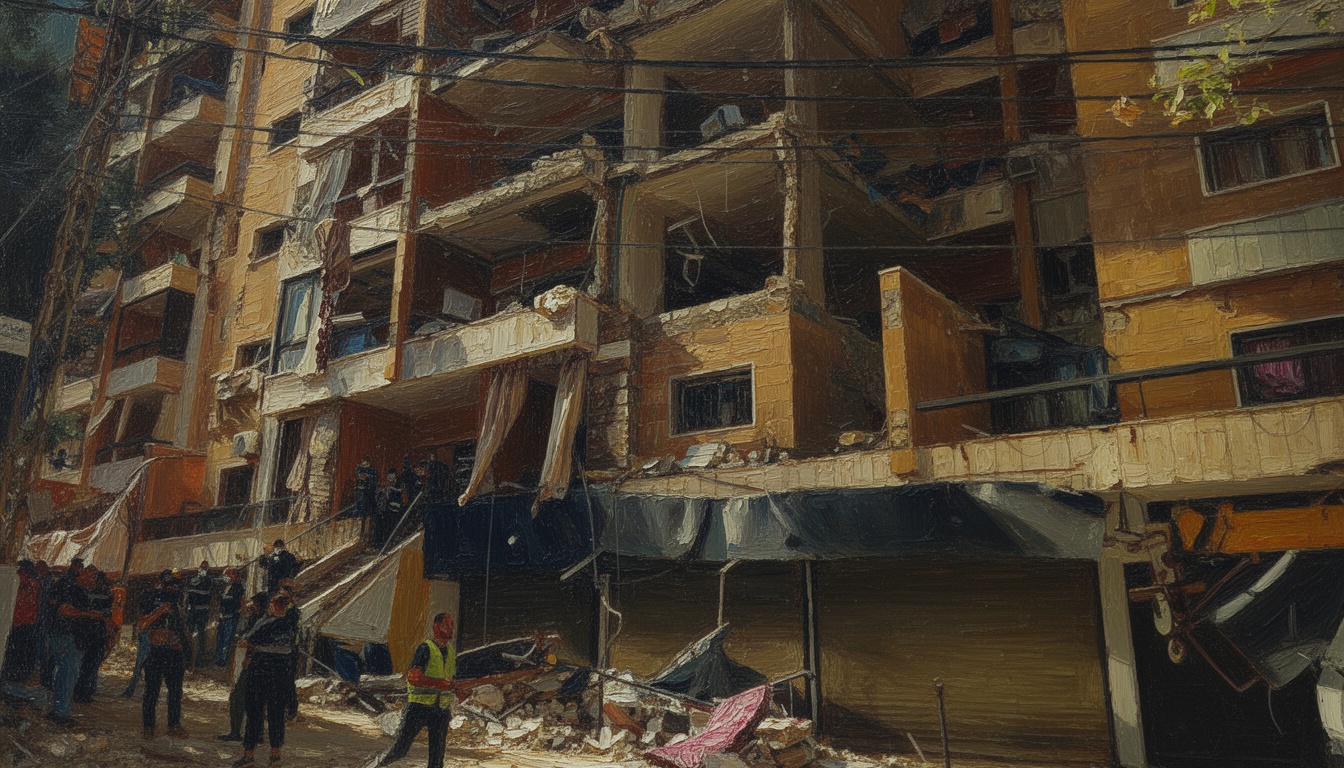
On June 7, Israel conducted airstrikes in southern Beirut, targeting apartments in two residential buildings. This attack followed the interception of Hezbollah rockets by Israeli defense systems earlier that day. Lebanese authorities reported that the strikes resulted in the deaths of two individuals and injuries to at least 20 others, exacerbating an already tense situation in the area.
For weeks, the region has been marked by heightened tensions as the Lebanese people face increasing uncertainty about their security. The airstrikes not only illustrate Israel's ongoing military posture towards Hezbollah but also highlight the broader ramifications for Lebanon as it finds itself caught in the crossfire of regional conflicts. There is palpable concern among the population about potential further escalation and its consequences.
Strategically, the Israeli strikes signal a clear message of deterrence to Hezbollah amid its ongoing threats. Israel has been adamant about curbing Hezbollah's arsenal, which poses a direct threat to its northern border. Military analysts suggest that this could lead to a cycle of retaliation that exacerbates the already fragile security environment in Lebanon.
The military capabilities deployed by Israel include precision-guided munitions capable of minimizing collateral damage, reflecting a shift in Israeli tactics aimed at avoiding civilian casualties while still engaging Hezbollah. The airstrike raises questions about the effectiveness of existing diplomatic efforts to curb aggression in the region, especially considering the complexities of the Lebanese political landscape.
As the situation unfolds, the likelihood of further confrontations remains high, potentially dragging Lebanon deeper into conflict. Observers are urging for immediate dialogue to address the growing hostilities, but the trajectory suggests a challenging and precarious future ahead for Lebanon amidst rising tensions with Israel.