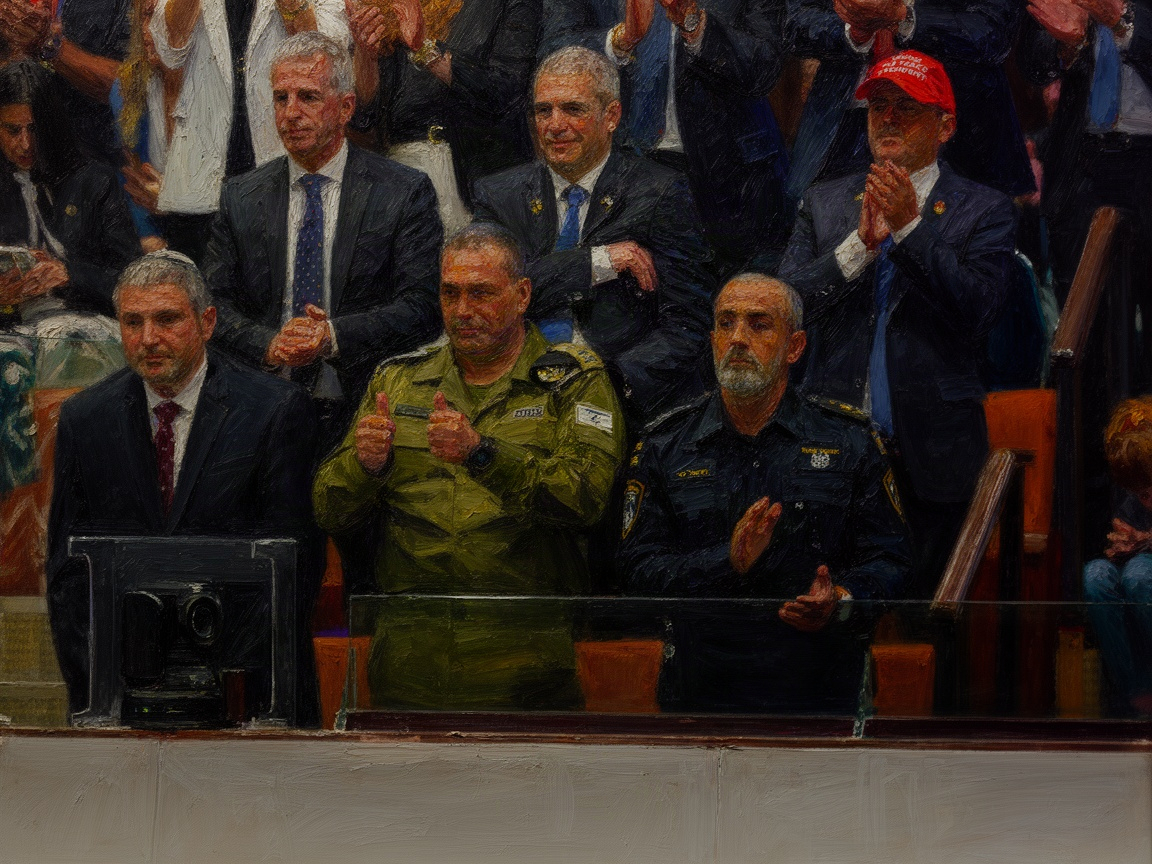
Israel's Government-Military Pact Collapses Amid Prolonged Conflict
The longstanding relationship between Israel's political leadership and its military has deteriorated significantly due to ongoing conflict. This breakdown has implications for Israel's strategic decision-making.
The longstanding relationship between the Israeli government and military appears to have collapsed amid escalating tensions and protracted conflict. This breakdown is characterized by increasing friction between political leaders and military commanders, impacting Israel's operational coherence.
Traditionally, the Israeli Defense Forces (IDF) operated under a unified command from both civilian and military leadership. However, recent developments have caused a divergence in priorities, leading to critical strategic decisions being undermined. The relationship was historically seen as a cornerstone of Israel's defense posture.
Strategically, this rift could hamper Israel's response to threats from regional adversaries, including armed groups in Gaza and Hezbollah in Lebanon. Under a fragmented leadership structure, rapid and coherent responses to military provocations may be jeopardized, increasing the risk of miscalculation in ongoing security operations.
Specifically, the IDF has faced increased challenges in synchronization of its tactics and strategies concerning anti-terror operations and border security. Recent events have shown that political considerations are now weighing more heavily on military operations, which could potentially alter the effectiveness of Israel's defense capabilities.
Consequently, the breakdown of trust could lead to a stagnation in Israel's military strategy, hampering its deterrence capabilities. Moving forward, the leadership crisis may prompt reevaluations of military strategy and political alignment, potentially reshaping Israel's defense policies in the volatile regional landscape.