Italian Fascist-Era Cisterns Attract Western Special Forces Training
Western special forces are utilizing World War II-era cisterns in Italy for advanced tunnel training. These structures, resistant to extensive bombing, have a historical significance tied to military logistics.
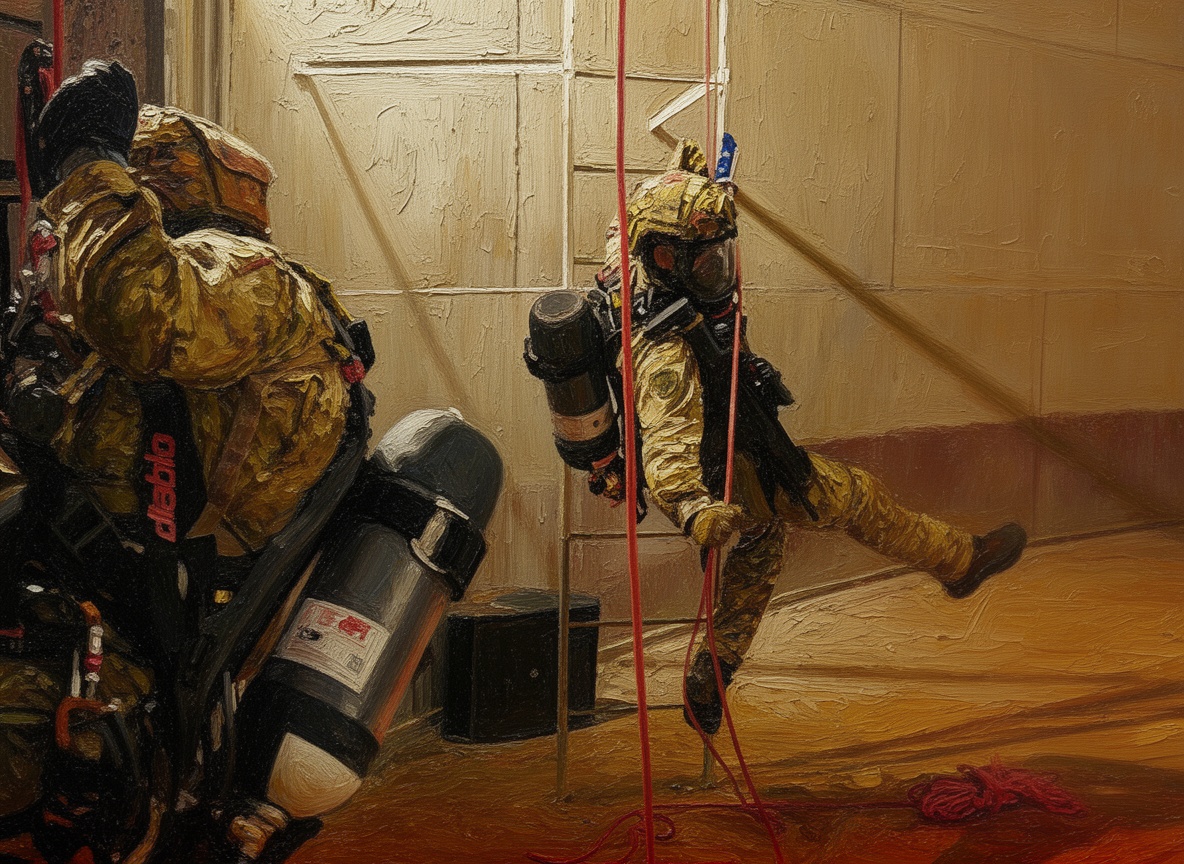
Western special forces have recently begun training in massive underground cisterns built during the fascist era in Italy. These facilities, which withstood 150 bombing runs during World War II, served as crucial storage points for aviation fuel for the Italian Air Force in the years following the war.
The underground cisterns, notable for their durability, are being repurposed for modern military training focused on urban and tunnel warfare tactics. These operations reflect a broader trend among NATO forces to adapt historical sites for current operational needs, ensuring troops are prepared for various combat scenarios.
Strategically, the training at these cisterns highlights the ongoing emphasis on readiness against asymmetric threats, particularly in close-quarter urban environments. The shift to utilizing such historical locations signifies an innovative approach to military preparedness while maximizing existing infrastructure.
Technically, the cisterns provide an ideal environment for special forces to execute operations that require stealth and adaptability. The complex layout of these tunnels enables soldiers to refine their skills in reconnaissance, infiltration, and ambush tactics without the risk associated with traditional training settings.
The decision to conduct training in such locations likely signals a shift in training philosophy among Western militaries, prioritizing unorthodox approaches to warfare. This could lead to enhanced operational capabilities in future missions, especially in areas where urban warfare is expected.