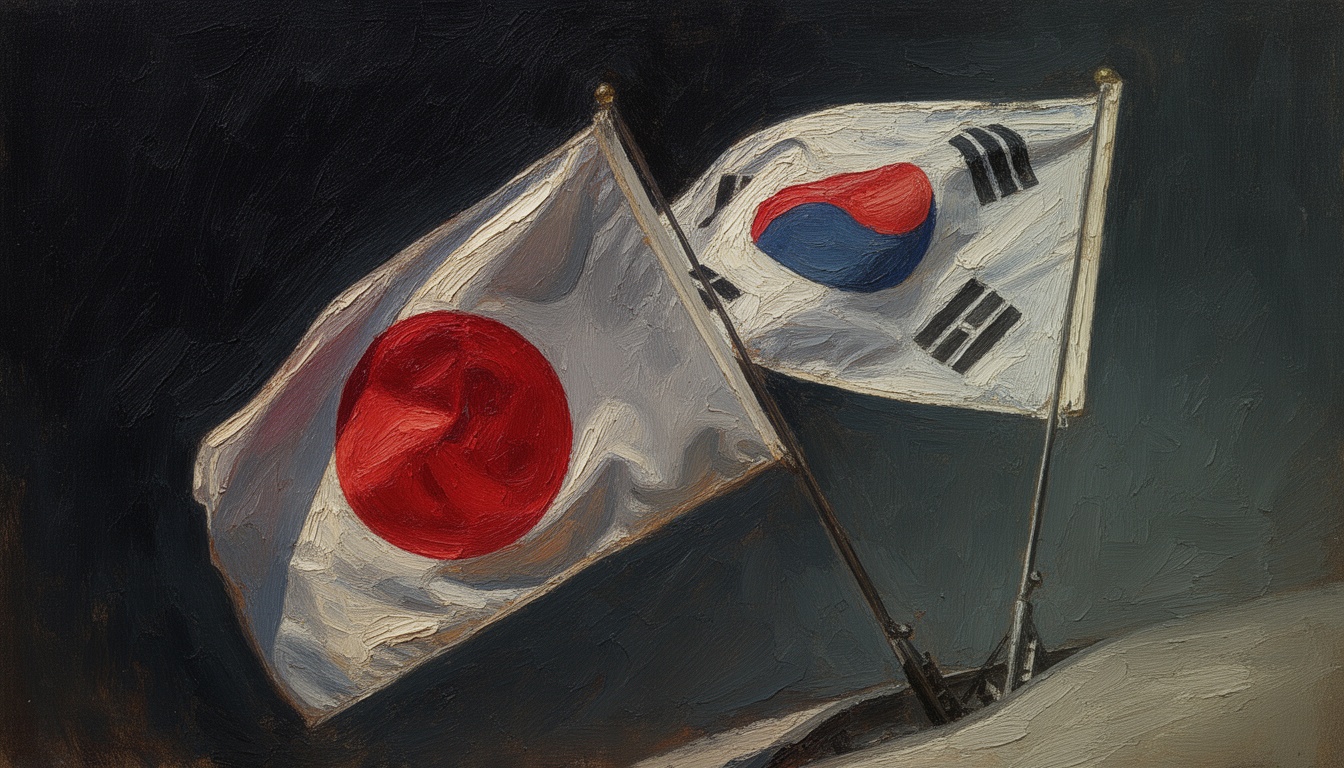
Japan and South Korea Skeptical About Nuclear Weapons Development
A survey shows that strategic elites in Japan and South Korea remain doubtful about acquiring nuclear arms, but could shift if one country changes its stance.
A recent survey conducted by the Centre for Strategic and International Studies (CSIS) highlights that strategic elites in both Japan and South Korea are largely skeptical about the development of nuclear weapons. The findings indicate a collective unease regarding nuclear armament, reflecting longstanding policies against pursuing such capabilities.
Historical context plays a significant role in shaping this skepticism. Both nations have opted for non-nuclear postures since the end of World War II, influenced by their alliances with the United States and mutual security guarantees. The longstanding geopolitical tensions in the region, especially concerning North Korea, underscore the delicate balance both countries seek to maintain.
The survey indicates that if either Japan or South Korea were to advance toward acquiring nuclear weapons, public support in the other nation could increase swiftly. This suggests that a significant shift in policy by one country could trigger a regional arms race, fundamentally altering the security dynamics in Northeast Asia and heightening tensions with neighboring states.
Strategically, this finding raises critical questions about deterrence and defense policies in the region. Both Japan and South Korea currently rely on the US nuclear umbrella for security. Should nuclear weapons be introduced, it may challenge the efficacy and credibility of this protection, while also inviting broader strategic consequences for regional stability.
In conclusion, the potential for an arms race in Northeast Asia remains a pressing concern. The evolving security environment necessitates ongoing dialogue and assessment of nuclear policy among regional powers to prevent escalation and ensure mutual security interests are addressed.