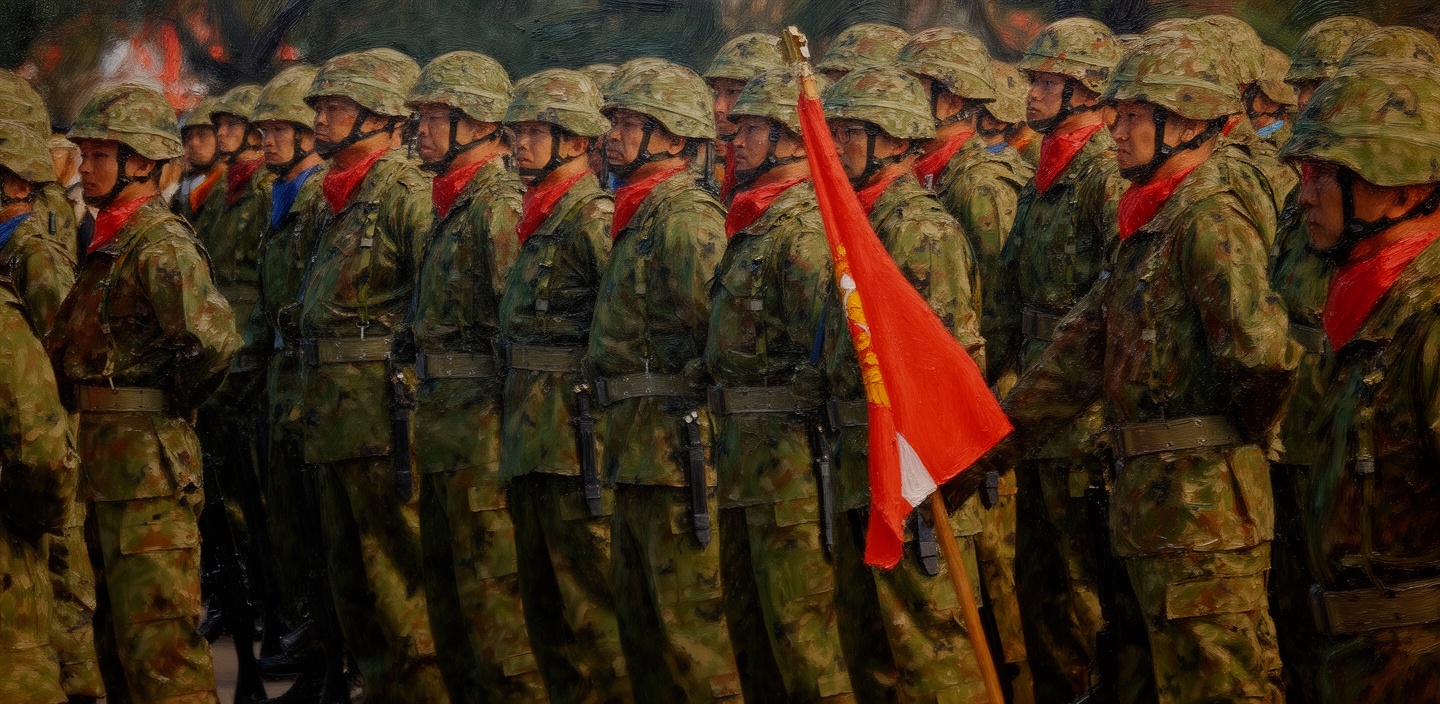
Japan Considers Agency to Support Self-Defense Forces Retirees
Japan's government is contemplating the establishment of a dedicated agency to assist veterans of the Japan Self-Defense Forces. This measure aims to improve the welfare and reintegration of retired personnel into civilian life, a growing concern as the number of retirees increases.
The Japanese government is actively considering the creation of a new agency specifically designed to support retirees from the Japan Self-Defense Forces (JSDF). This development is part of broader efforts to address the needs of veterans, who often face significant challenges when transitioning back into civilian life. The proposed agency aims to provide comprehensive assistance including job placement, health care, and social services to ensure a smoother reintegration process.
Historically, the support for JSDF retirees has been inconsistent, leading to calls for a centralized body that can manage the myriad of services needed. With Japan facing an aging population and an increasing number of retirees, the government recognizes the urgent need to enhance its support frameworks. The consideration of this agency reflects a shift toward taking veteran affairs more seriously and acknowledging the sacrifices made by service members.
Strategically, the establishment of a dedicated agency could bolster Japan’s defense posture by fostering morale among current service members, knowing that there are structures in place to support them post-service. It could also attract a new generation of individuals into the Self-Defense Forces, as improved post-service support might make military careers more appealing.
Operationally, the agency would focus on creating partnerships with both public and private sectors. It is expected to utilize resources effectively to offer skills training, educational opportunities, and perhaps even psychological support for those struggling to readjust. Budgetary allocations for such initiatives will need to be carefully considered in light of Japan’s overall defense spending and aging demographics.
In conclusion, the initiative to establish a dedicated agency for JSDF retirees highlights a significant policy shift in Japan’s approach to veteran affairs. If implemented, this could enhance the welfare of former service members while also strengthening the appeal of the Self-Defense Forces as a career for the youth. Continued discussions will determine the framework, funding, and the range of services provided by this prospective agency.