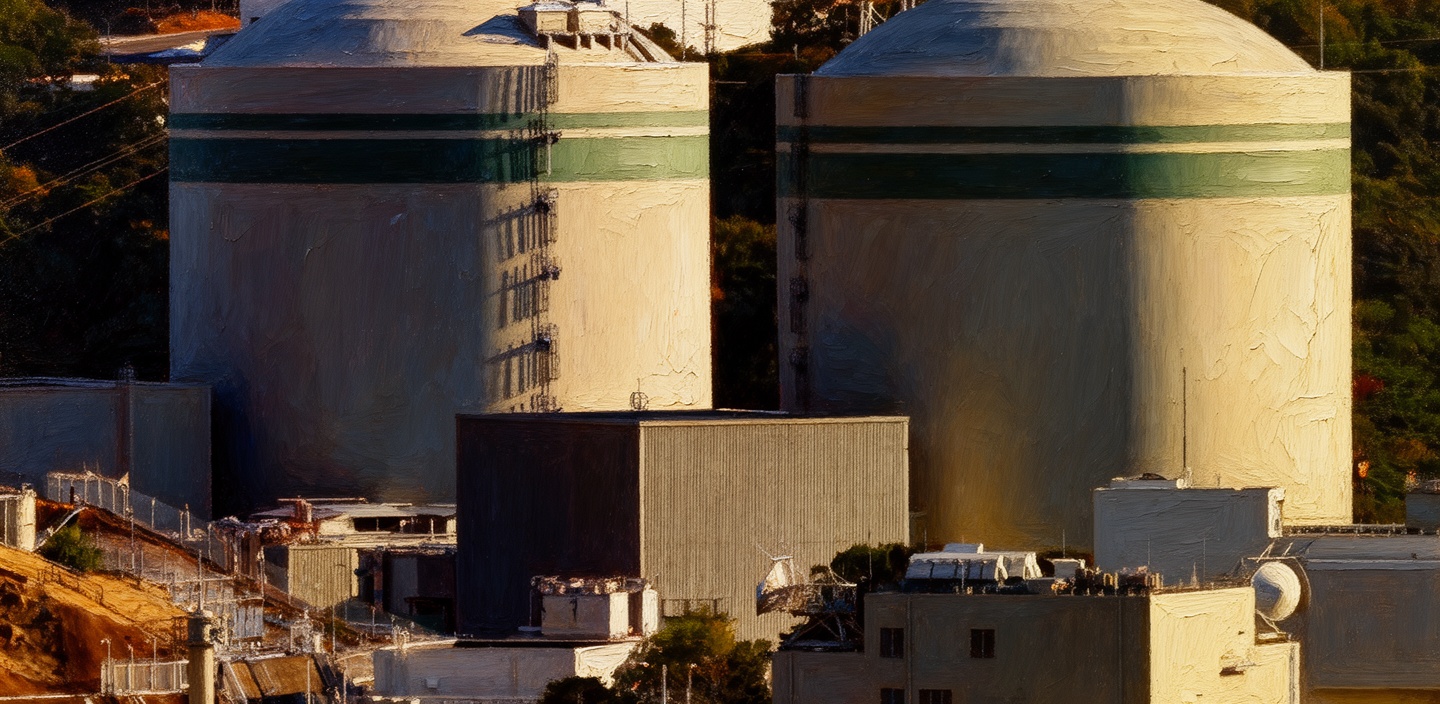
Japan Plans to Replace 5 Nuclear Reactors by 2040
Japan aims to replace up to five aging nuclear reactors by the 2040s, highlighting a significant step in its energy transition strategy. This modernization effort intends to enhance safety and efficiency in nuclear energy production.
Japan has initiated plans to replace as many as five of its nuclear reactors by the 2040s due to safety and efficiency concerns related to aging infrastructure. The Japanese government emphasized the importance of transitioning to a sustainable energy policy following the 2011 Fukushima disaster, which significantly impacted public perception and policy surrounding nuclear energy in the country.
The announcement marks a significant shift in Japan's energy strategy, which has been heavily reliant on nuclear power since the 1970s. Approximately 30% of Japan's energy was derived from nuclear sources before the Fukushima incident, which led to widespread shutdowns and a cautious approach to nuclear energy development. The government's recent focus on replacing aging reactors aligns with its objective to enhance energy security while mitigating greenhouse gas emissions.
From a strategic standpoint, Japan seeks to position itself as a leader in nuclear safety and technology within the Asia-Pacific region. The plan to replace aging reactors, such as those at the Takahama and Mihama plants, could potentially boost Japan's energy independence by allowing for more modern and safer reactor designs that are better equipped to handle future seismic events.
The specifics of the reactor replacement project are still in development, with budget estimates and timelines being discussed. The new reactors are expected to integrate advanced safety features and potentially leverage international cooperation on nuclear technology development, as the country has been actively engaging with other nations in terms of energy policy and infrastructure.
In conclusion, Japan's decision to replace aging nuclear reactors by the 2040s reflects a broader commitment to sustainable energy practices and improving its energy landscape. This move could lead to enhanced safety, greater efficiency in energy production, and a renewed confidence in the nation's nuclear capabilities as it endeavors to balance safety and energy needs amid ongoing environmental challenges.