Japan Tests New Air-Launched Anti-Ship Missile with 1,000 km Range
Japan's JASDF has successfully begun flight tests of a new air-launched anti-ship missile, significantly enhancing its naval strike capabilities. This advancement could alter regional security dynamics, particularly in maritime confrontations.
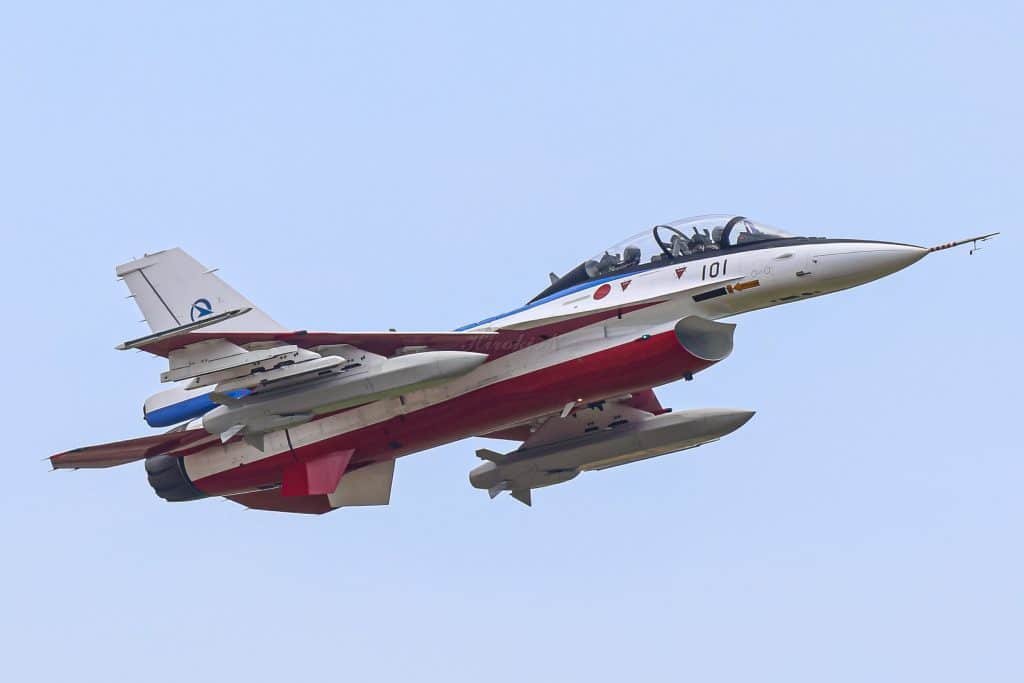
Japan's Air Self-Defense Force (JASDF) is advancing its military technology with the flight testing of an air-launched variant of the Upgraded Type 12 anti-ship missile. This missile features an impressive stand-off range of 1,000 kilometers, allowing for considerable strategic flexibility in naval operations. The initial test occurred on July 30, 2026, when an F-2 fighter jet was spotted conducting the flight test while equipped with the missile.
The Upgraded Type 12 anti-ship missile represents a significant leap forward in Japan's defense technology, particularly in the realm of naval warfare. With increasing maritime tensions in the Asia-Pacific region, this enhancement in Japan's capabilities comes at a crucial time. Analysts suggest that the ability to engage targets from such distances could deter potential aggressors and support Japan's allies, particularly the United States, in maintaining maritime security.
Operationally, the F-2 fighter serves as a critical platform for these missile capabilities. The integration of the Upgraded Type 12 missile onto the F-2 will enhance the strike capabilities of this aircraft, enabling it to engage enemy vessels while minimizing the risk to its pilots. Such advancements align with Japan's evolving defense strategies and reflect a broader trend toward increased military readiness in the region.
In terms of technology, the 1,000 km range of the Upgraded Type 12 anti-ship missile marks a significant improvement in Japan's existing armament. This development not only improves Japan's air launch capabilities but also contributes to the overall effectiveness of its naval force projection. Future tests will likely evaluate the missile's targeting systems, guidance technology, and interoperability with other military assets.
The implications of these tests are profound as they underscore Japan's commitment to strengthening its defensive posture in the face of regional threats. As Japan continues to modernize its military, the enhanced capabilities brought by the Upgraded Type 12 missile could have lasting effects on the power balance within the Asia-Pacific, emphasizing the importance of naval preparedness and response strategies. As testing progresses, stakeholders will closely monitor how these developments influence regional security dynamics and Japan's defense alliances.