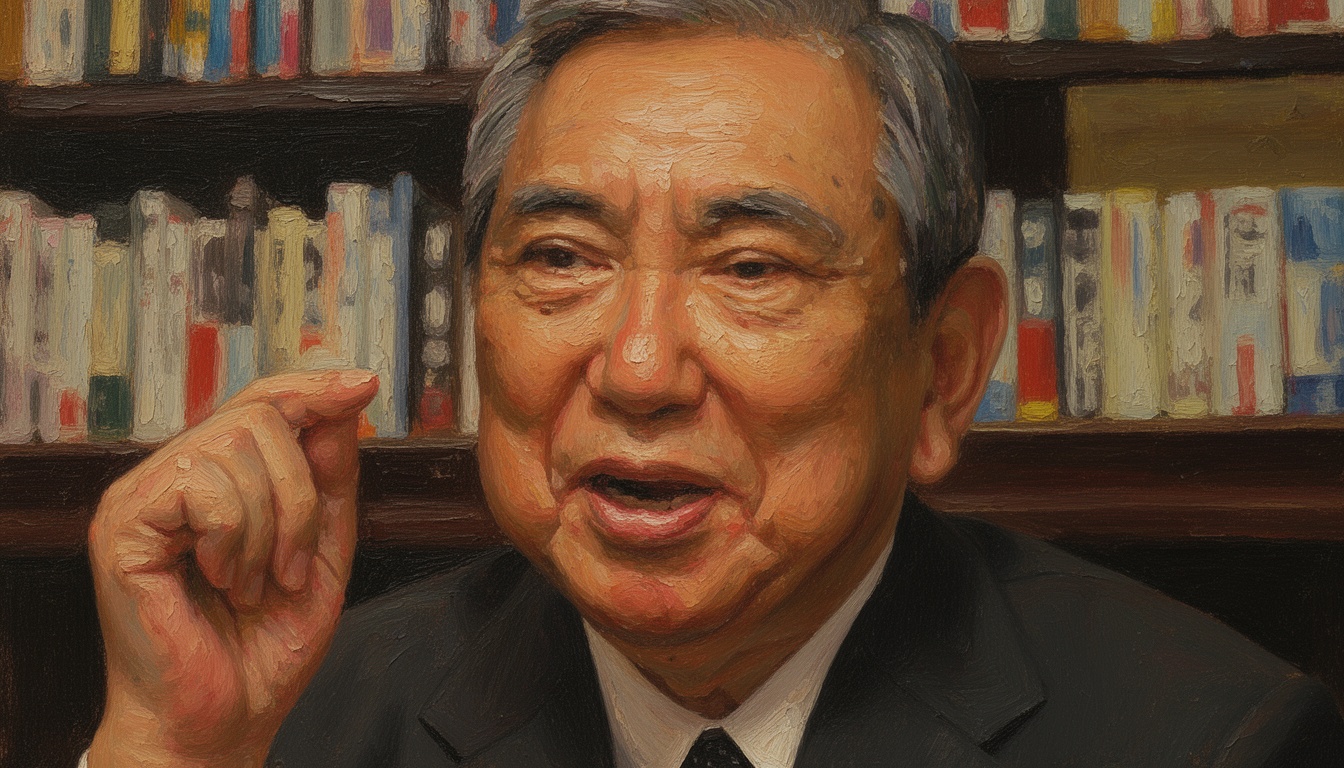
Japanese Diplomatic Figure Yohei Kono Dies at 89
Yohei Kono's death marks a significant loss in Japan-China diplomatic relations. Known for his historic apology to wartime 'comfort women', Kono's passing raises questions about future dialogue amid ongoing tensions.
Yohei Kono, a significant political figure in Japan-China relations, has died at the age of 89. His death comes shortly before a planned diplomatic visit intended to ease ongoing tensions between the two nations. Kono is best known for his heartfelt apology on August 4, 1993, acknowledging the suffering of 'comfort women' who were forced into sexual slavery during World War II.
Kono's role in Japan's political landscape was notable, especially as a moderate member of the ruling Liberal Democratic Party (LDP). His apology was a landmark moment in Japan's acknowledgment of wartime atrocities and aimed to bridge deep-seated grievances with China. The relationship between Japan and China remains fraught, marked by historical disputes and territorial disagreements.
Strategically, Kono's passing may create a vacuum in the delicate diplomatic dialogue that he helped facilitate. Japan-China relations have seen significant tension in recent years, but figures like Kono sought to foster a more constructive pathway forward. His voice was critical in advocating for reconciliation between the two nations.
Kono was not only influential in diplomatic circles but also served in various capacities including Japan's Chief Cabinet Secretary and Foreign Minister. His political career was hallmarked by efforts to stabilize and improve relations with neighboring countries through recognition and dialogue.
His death could complicate future diplomatic engagements, as both Japan and China grapple with their complex histories. The planned trip for dialogue, possibly dependent on Kono's legacy, may now need to reevaluate its approach. Stakeholders in both countries will be watching closely to see whether Kono's passing will hinder or prompt deeper discussions in the evolving geopolitical landscape.