Japan's Defense Minister Calls for Strategic Shift to Prevent War
Japan is urged to reassess its pacifist stance post-World War II amid rising regional threats. This reform is seen as essential for national security and deterrence.
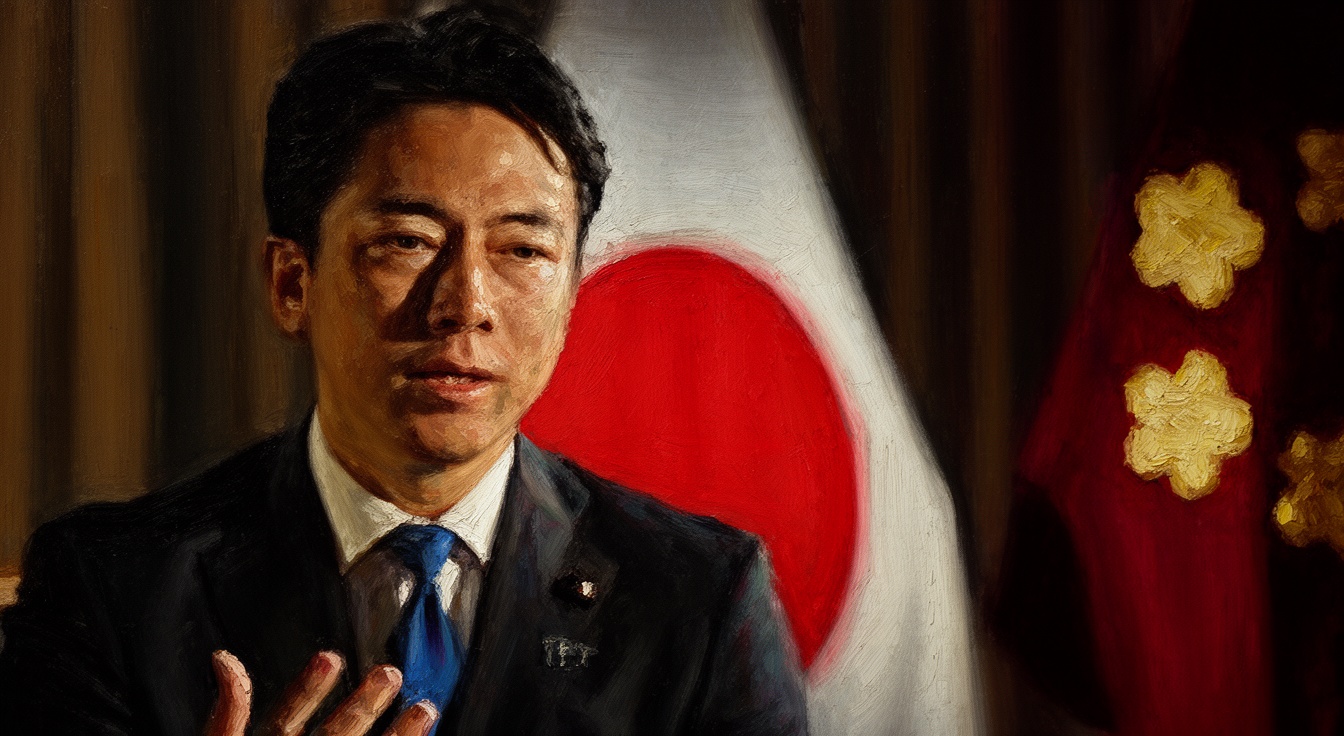
Japan's Defence Minister Shinjiro Koizumi has stated that re-evaluating the country's pacifist policies is vital to avert potential conflicts in the region. This assertion highlights the increasing unease surrounding Japan's security environment, particularly in light of escalating tensions in East Asia. Koizumi's remarks reflect an urgent call for a strategic shift that may signal a departure from a long-standing post-war principle, which could reshape Japan's role in regional security.
Historically, Japan has maintained a pacifist constitution established after World War II, which restricts the use of military force. However, as threats from North Korea's nuclear ambitions and China's assertive military activities intensify, Koizumi emphasizes the need for a more proactive defense strategy. This comes as Japan aims to strengthen its military capabilities, including a substantial increase in defense budgets and enhancing cooperative security arrangements with allies like the United States and Australia.
Strategically, this change could have significant implications for the regional balance of power. Japan's move towards a more robust military presence may provoke reactions from neighboring countries, particularly China and North Korea, leading to further regional tensions. The shift in defence posture might also influence strategic alignments in the Asia-Pacific, prompting Japan's allies to reassess their own security strategies in light of a potentially more militarized Japan.
Koizumi's recommendations could include expansions in Japan's Self-Defense Forces capabilities and new defense partnerships. These adjustments are projected to involve significant funding, with proposals suggesting a fiscal increase for defense-related spending in the next budget cycle. Furthermore, acquiring advanced military systems and enhancing interoperability with allied forces will be key components of this strategic recalibration.
The implications of these changes could reshape Japan's defense identity and its stance in international security discussions. If the government embraces a shift away from strict pacifism, Japan may transition into a more assertive player on the global stage, which could enhance its deterrent capabilities but also risk escalating tensions with its neighbors.