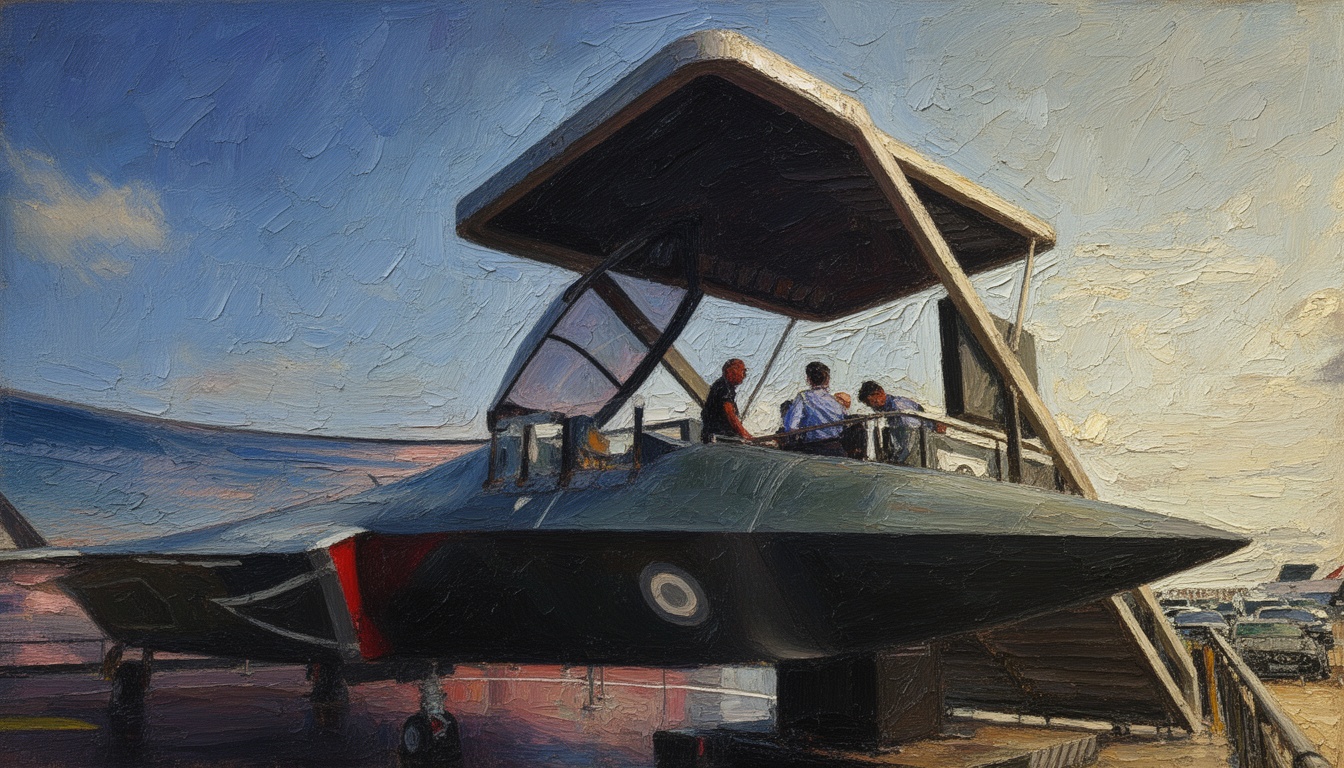
Japan's Fighter Jet Future Improved by Canada's GCAP Involvement
Canada's participation in the Global Combat Air Programme enhances Japan's fighter jet prospects amid German interest. This collaboration is critical for Japan's defense strategy.
Canada has officially joined Japan in the Global Combat Air Programme (GCAP), a strategic initiative aimed at developing next-generation fighter jets. This involvement alleviates Japan's concerns regarding its aerial defense capabilities, particularly in light of its aging F-2 fleet, which requires replacement to maintain operational effectiveness.
The GCAP, which also includes contributions from the United Kingdom and Italy, positions itself as a crucial response to growing defense challenges in the region. Germany's potential interest in joining the program further strengthens the coalition, suggesting a more unified approach to cutting-edge military aviation technology among key Western allies.
Japan's defense experts indicate that the collaboration could reinvigorate GCAP and accelerate development timelines. The necessity for advanced fighter aircraft has become apparent, as Japan seeks to avoid vulnerabilities in its air defense posture amidst regional tensions and increased military activities from neighboring states.
In operational terms, the new fighter jet, which is expected to incorporate advanced stealth, sensor fusion, and networked warfare capabilities, must effectively replace the outdated F-2. Successful development of the platform is vital for Japan's long-term security and deterrence strategy.
Looking forward, strategic implications suggest that enhanced collaboration with Canada and potentially Germany could lead to improved defense interoperability and stronger alliances in face of evolving geopolitical threats. Analysts predict that accelerated timelines in fighter development through GCAP may significantly enhance Japan's technological edge in the Asia-Pacific region.