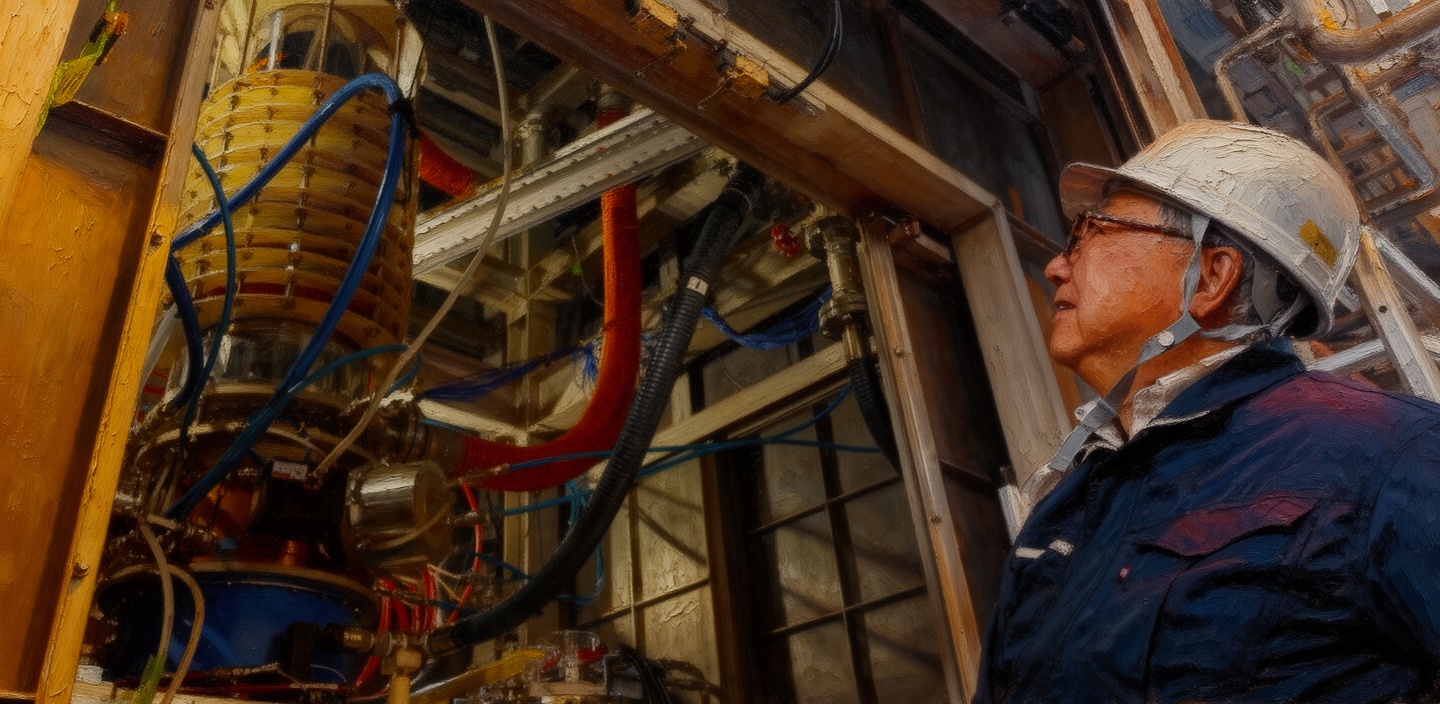
Japan's Moonshot Nuclear Fusion Tech Shows Earthbound Promise
Japan's nuclear fusion advancements are finding applications beyond space exploration, promising significant energy solutions. This technology could impact global energy strategies and military capabilities.
Japan's innovative nuclear fusion technologies initially developed for lunar applications are now being redirected for terrestrial use. The Japan Atomic Energy Agency announced last week that its advanced fusion reactor prototype could provide clean energy solutions to meet the increasing demand for sustainable power sources.
For decades, Japan has invested heavily in nuclear research, and this recent development marks a significant milestone in harnessing fusion energy. The technology enables the potential for limitless energy without the harmful emissions associated with fossil fuels. Given the escalating energy needs globally, this advancement positions Japan as a critical player in modern energy strategies.
The strategic significance of these developments cannot be overstated, especially as nations strive to reduce their carbon footprints and enhance energy security. Japan's nuclear fusion capabilities could offer a new level of deterrence and resilience in energy procurement, impacting not just its economy but also geopolitical dynamics in the region.
Details on the reactor specifications indicate that it employs advanced superconducting magnets capable of maintaining high plasma temperatures necessary for fusion reactions. Initial tests have shown promising energy outputs, potentially allowing for scalable energy production by the late 2020s.
As research continues, Japan's advancements in fusion technology may redefine energy infrastructures worldwide, potentially altering alliances and dependencies in energy supply. Countries may need to reassess their energy strategies in light of Japan's emerging capabilities in nuclear fusion, which could lead to significant shifts in the global energy landscape.