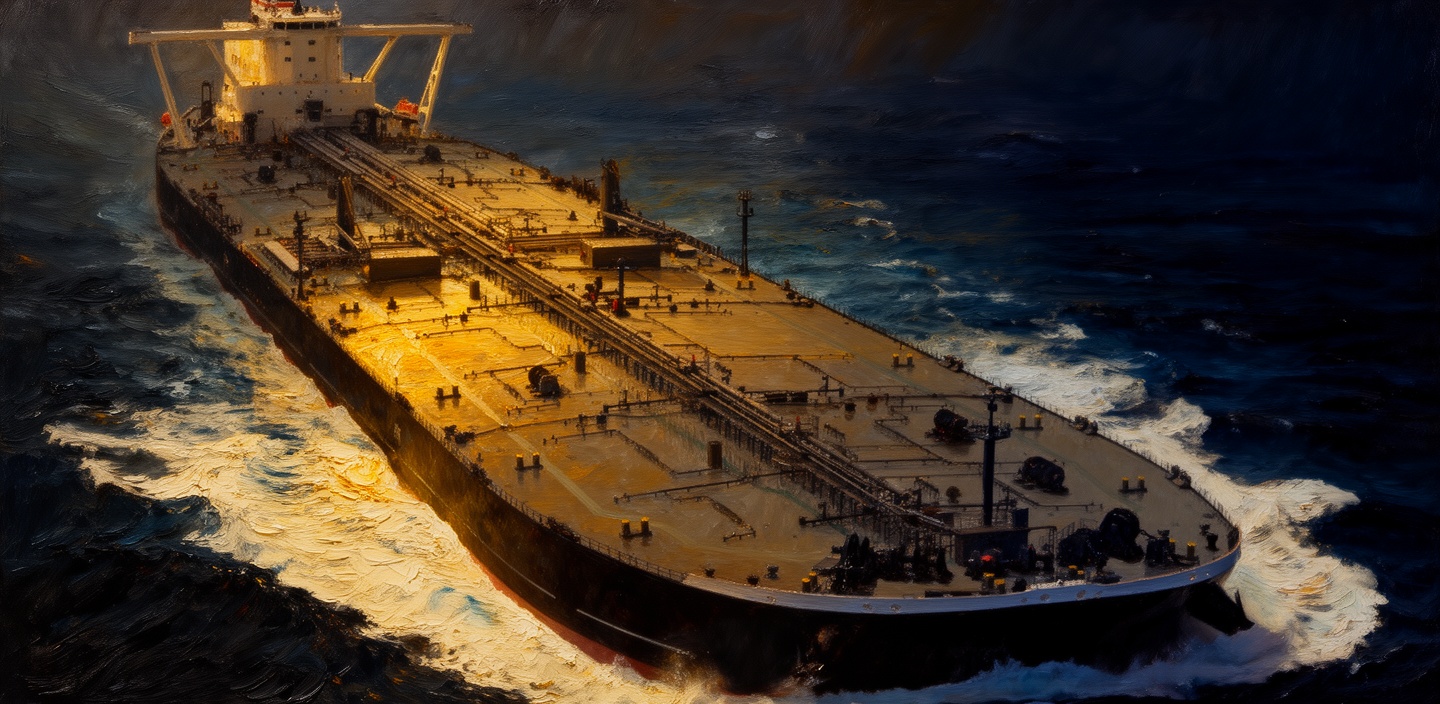
Japan's NYK Line Considers Expanding Oil Tanker Fleet
Japan’s NYK Line is focusing on increasing its oil tanker fleet outside of the Middle East. This strategy aims to enhance supply chain resilience amid global market fluctuations.
In a significant move, Japan's NYK Line announced plans to expand its oil tanker fleet to sources outside the Middle East. CEO Gaku Nakanishi stated that diversifying supply routes is crucial for maintaining a stable oil supply amidst rising geopolitical tensions and supply chain disruptions. The company is assessing opportunities to tap into markets in regions such as Africa and South America.
Historically, the Middle East has been the dominant source of oil for Japan. However, the recent instability in global oil markets and the potential for supply disruptions have prompted Japanese companies to consider alternative sourcing strategies. NYK Line is responding to these challenges by exploring avenues to increase the number and range of its tankers.
The strategic significance of this development cannot be underestimated. By diversifying their oil supply routes, Japan aims to reduce its dependency on a single region, which might shield the country from sudden price hikes and supply shortages triggered by regional conflicts or trade disputes.
NYK Line currently operates a substantial fleet of modern oil tankers, utilizing vessels equipped with advanced technologies that enhance operational efficiency and reduce environmental impact. In this proposed expansion, the company aims to incorporate technologically advanced oil tankers, potentially increasing its fleet by 20% over the next five years.
Looking ahead, if NYK Line successfully expands its operations beyond the Middle East, it could lead to more stable oil supply chains for Japan, potentially influencing overall energy prices in the region. Industry experts suggest that this move reflects a growing trend among Japanese companies to enhance supply chain resilience in response to global uncertainties.