Japan's Outreach to Russia Raises Concern Among G7 Leaders
Japan's diplomatic overture to Russia risks discord within the G7, particularly among allies focused on isolating Moscow. This approach is in stark contrast to the unified stance against Russian aggression shared by NATO and EU countries.
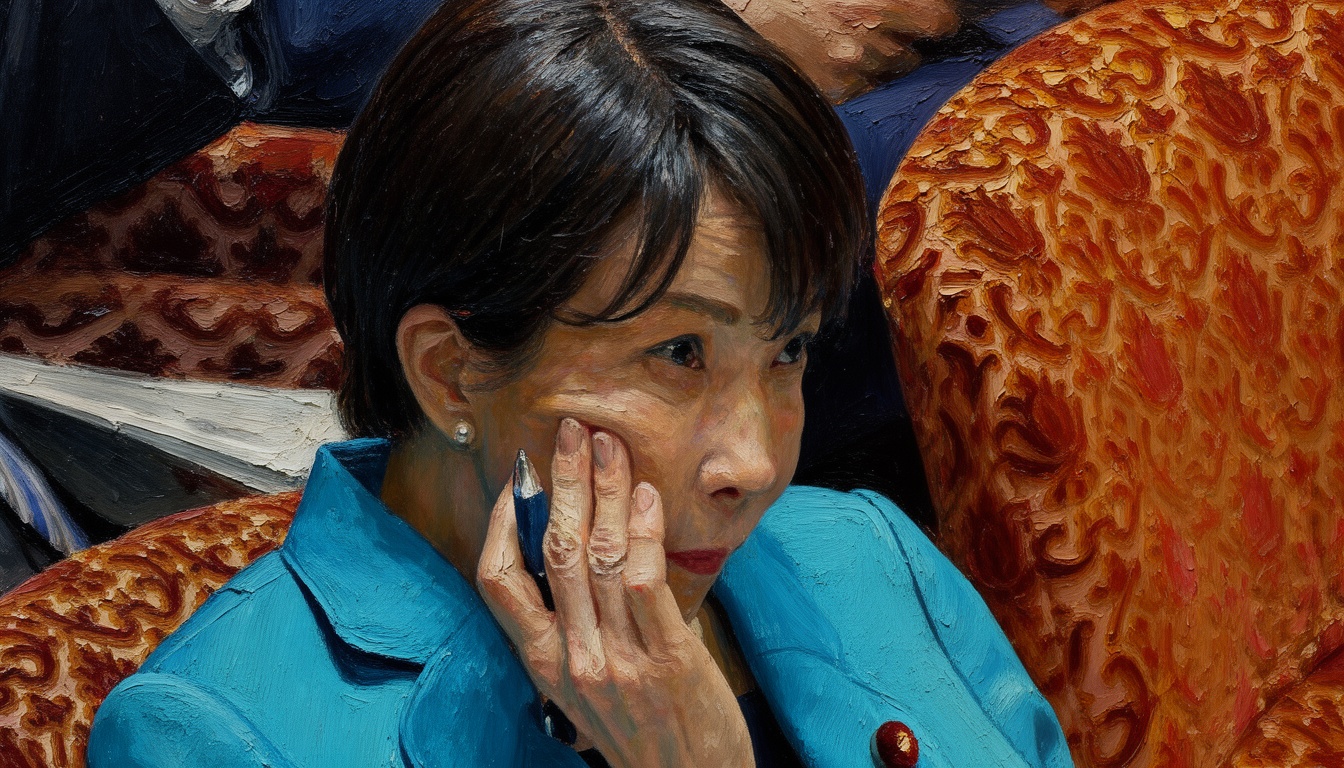
Japanese Prime Minister Sanae Takaichi is poised to attend the upcoming G7 meeting in France next week. Reports indicate that she may encounter increasing dissatisfaction regarding Tokyo's recent diplomatic outreach to Moscow. Various G7 leaders are likely to express concerns that such actions could undermine the coalition’s united front against Russia, especially as the international community is focused on countering Moscow’s ongoing aggression in Ukraine.
Japan's foreign policy toward Russia has historically been complex, balancing economic cooperation and territorial disputes, specifically regarding the Kuril Islands. While European Union member states and most NATO nations have adopted a firm stance against supporting Russia amid its actions in Ukraine, Japan’s approach appears significantly more lenient, aimed at reopening dialogue with the Kremlin. This divergence is seen as potentially sending a “bad signal” to allies who emphasize the importance of a unified response to Russia’s actions.
Strategically, Japan's outreach to Russia could complicate diplomatic relations with G7 partners, particularly as they continue to implement sanctions and other measures designed to deter further Russian aggression. The G7's collective strength relies heavily on its members presenting a united front. Japan's softening tone may be perceived as a weakening of this collective resolve, raising questions over Tokyo's commitment to the alliance's core objectives.
Operationally, Japan has engaged in various projects and economic discussions with Russia, like energy initiatives and trade agreements, which it views as critical for its national interests. However, such initiatives may clash with the broader G7 and NATO objectives to isolate Russia economically and diplomatically. This presents a significant dilemma for Japan as it seeks to navigate its national interests while maintaining strong relations with its G7 counterparts.
Moving forward, the reaction from the G7 during the upcoming summit will be vital. The meeting may lead to calls for Japan to recalibrate its diplomatic stance towards Russia to preserve G7 unity. Failure to align more closely with allied priorities could isolate Japan diplomatically within the group and hinder its ability to influence G7 policies effectively.