Japan’s Takaichi Heckled Over Shift from Pacifism
Japan's Prime Minister Sanae Takaichi faces backlash for reviewing pacifist policies amid growing militarization. The protest signals significant domestic opposition to changes in Japan's defense posture.
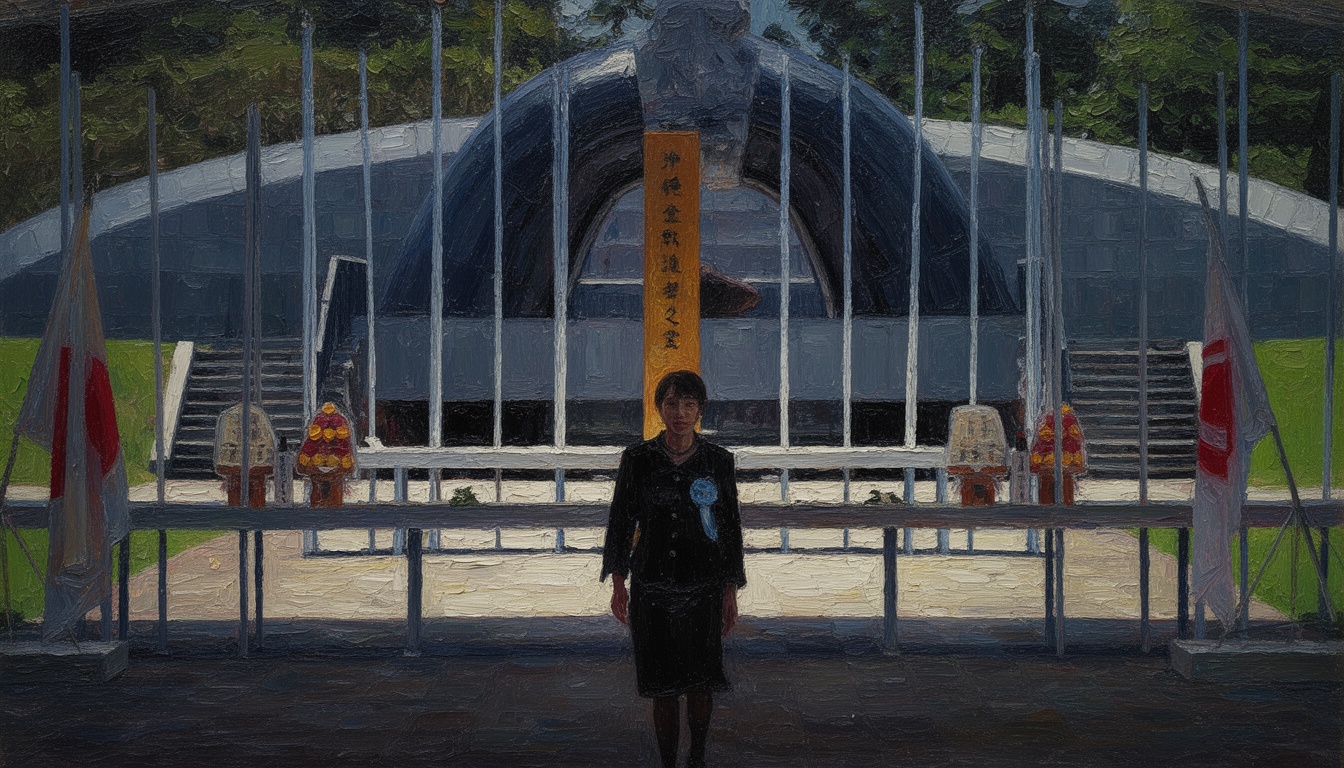
Japanese Prime Minister Sanae Takaichi was confronted by anti-war protesters at a World War II memorial event, reflecting rising tensions over Japan's evolving military stance. The protests, which featured a small yet vocal group of demonstrators, were sparked by recent government actions that indicate a shift away from Japan's historic pacifism, particularly as seen in the loosening of rules on lethal arms exports in April 2023.
Japan, a close ally of the United States, has been under increasing pressure to enhance its military capabilities in response to regional threats, notably from China and North Korea. Takaichi, known for her hawkish views on security, has expressed intentions to revise Japan's pacifist constitution, which has remained largely intact since the end of World War II. This move has raised concerns both domestically and internationally about Japan's future military posture.
The strategic significance of these developments cannot be overstated. As Japan further distances itself from its pacifist roots, this could alter the balance of power in the Asia-Pacific region. Additionally, it presents a possible escalation in defense spending and participation in collective security arrangements, which may alarm neighboring countries.
Operationally, Takaichi’s government has already taken bold steps, such as easing restrictions on arms exports, thereby allowing for increased military cooperation with allies. The changes to Japan's export policy could lead to the acquisition of advanced defense systems and a stronger military presence within the region, contributing to a more assertive national defense strategy.
In light of this backlash, the Japanese government may face significant domestic challenges in pursuing these changes. The protests suggest a substantial public resistance to a perceived militarization of Japan’s foreign policy and a desire to maintain the pacifist principles that have defined the nation for decades. Moving forward, Takaichi will need to navigate both international pressures and domestic discontent carefully to ensure her defense reforms are viable.