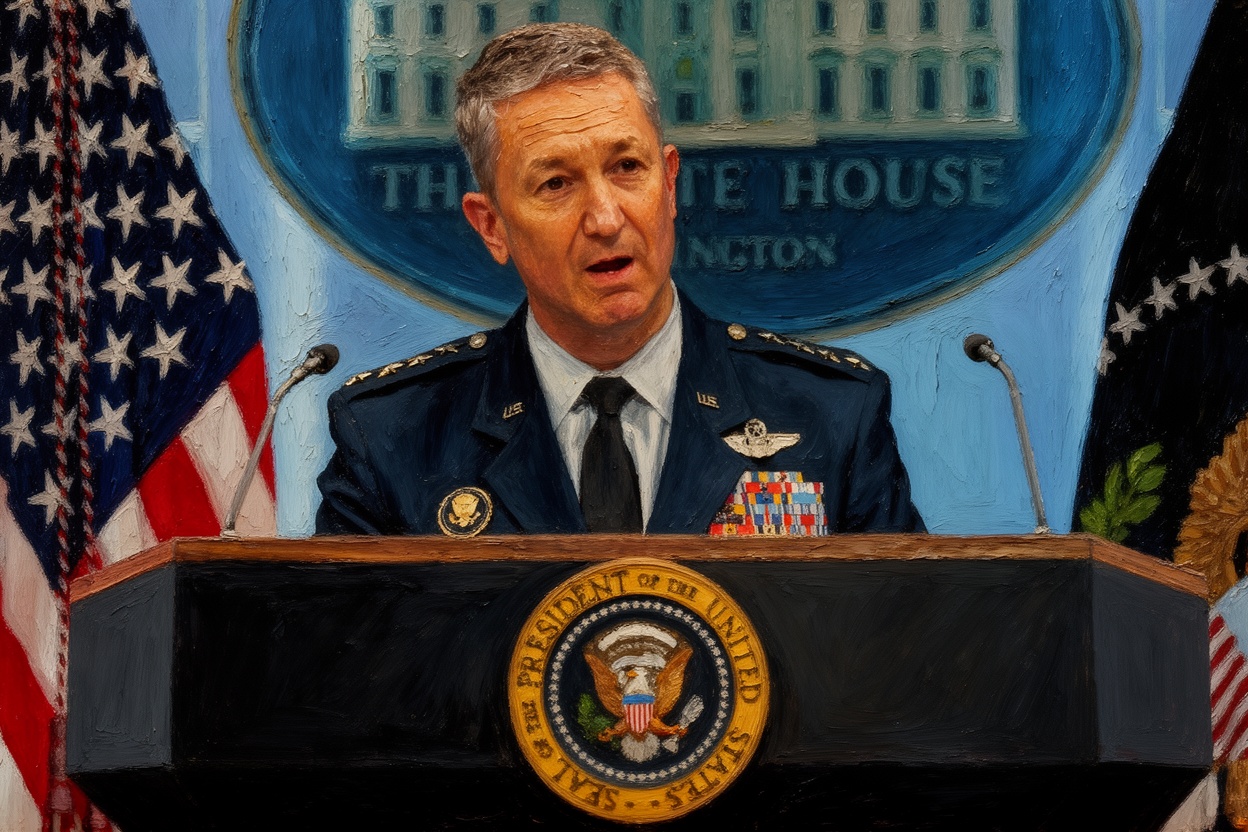
Joint Chiefs Head Visits Post-Maduro Venezuela for First Time
This visit signals a shift in U.S. military focus in Latin America after recent operations. The implications for regional security and U.S.-Venezuelan relations are significant.
The Chairman of the Joint Chiefs of Staff, Army General Mark Milley, recently completed his first official visit to Venezuela following the tenure of Nicolás Maduro. This visit marks a notable shift in U.S. military diplomacy and engagement in the region after a tumultuous period of operations aimed at influencing Venezuelan politics.
General Milley's trip comes five months after a high-risk military operation was reportedly conducted by the U.S. to facilitate regime change in Venezuela. This operation aimed to destabilize Maduro's government and pave the way for a transition in leadership. Although details of the operation remain classified, its aftermath continues to shape U.S. defense strategies towards Latin America.
Strategically, Milley's visit is considered a potential pivot point in U.S.-Venezuelan relations and a recalibration of military posture in the region. The U.S. seeks to enhance its regional influence while addressing emerging threats from state and non-state actors.
Operationally, the implications of this visit could lead to increased military cooperation or aid programs aimed at facilitating stability in Venezuela. Discussions may focus on the potential for intelligence-sharing initiatives or joint exercises, highlighting a renewed effort to bolster partnerships in Latin America.
In conclusion, General Milley's visit to Venezuela symbolizes a new chapter for U.S. military engagement in the region, with significant consequences for regional security dynamics and the future of U.S.-Venezuelan relations. The response from Maduro's successor and the Venezuelan military could greatly influence the trajectory of U.S. involvement in Venezuelan affairs.