Khamenei's Funeral Begins in Tehran Following US-Israeli Strikes
The funeral of Iran's Supreme Leader Ali Khamenei highlights escalating tensions in the region. His death is likely to further complicate US-Iran relations.
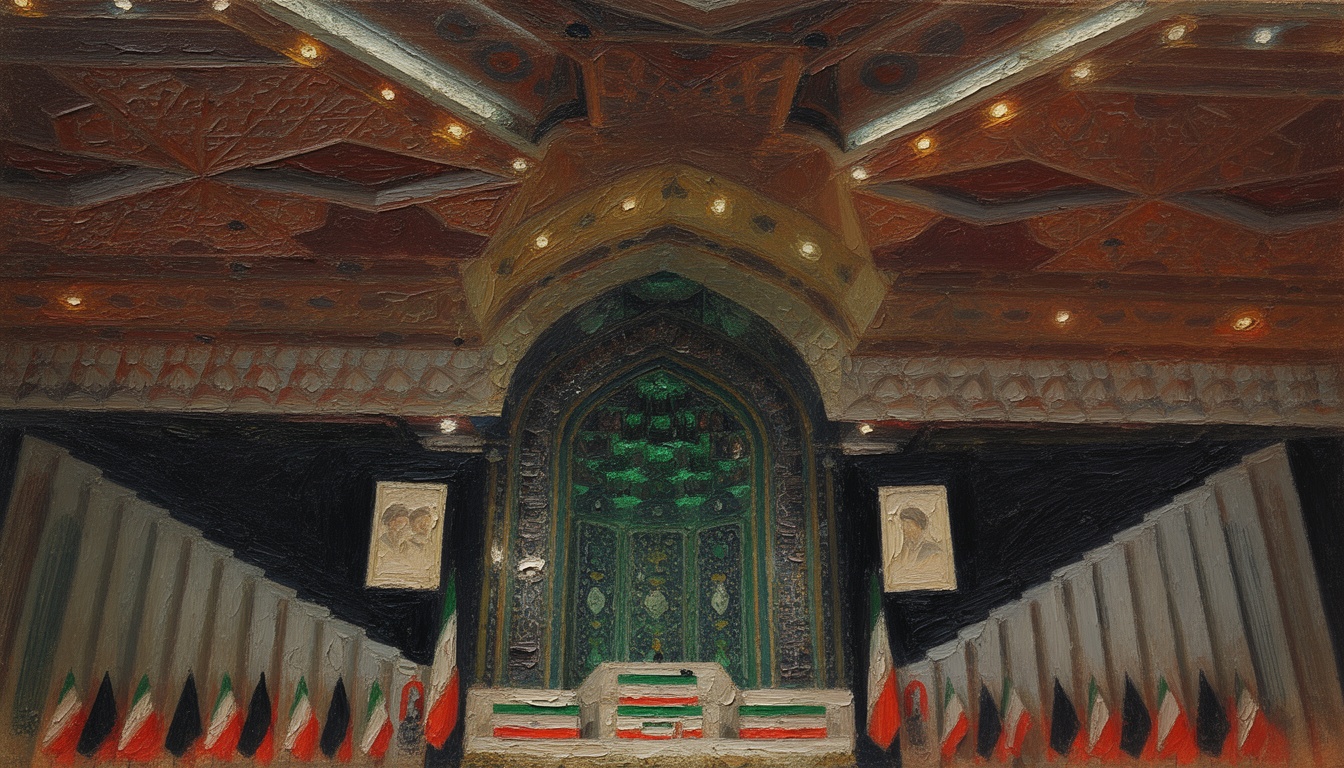
The body of Iran's Supreme Leader Ali Khamenei, reportedly killed in US-Israeli strikes, was received at Tehran's Grand Mosalla on Friday as the nation began several days of mourning. His death has escalated tensions in the Middle East significantly, reigniting historic grievances and prompting international concerns over stability in the region.
Khamenei's funeral is anticipated to attract millions of mourners, with a significant presence of foreign dignitaries expected to pay their respects on Saturday. Tehran's chief negotiator has urged a massive turnout, framing attendance as an act of revenge against those responsible for Khamenei's death and signaling a rallying call for his supporters.
Strategically, Khamenei's death is poised to have significant repercussions on Iran's domestic and foreign policy. As the nation grapples with the implications of this loss, both regional adversaries and allies will be closely monitoring the situation to gauge Iran's next moves.
During the funeral, Khamenei’s coffin, covered by Iran's national flag, will symbolize both mourning and resilience. The event underscores the volatility in the region, with external powers such as the US and Israel remaining sharply focused on ongoing developments within Iran.
In the aftermath of this event, the Iranian government's response will be pivotal for future interactions with global powers. Iran may adopt a more aggressive stance in its foreign policy, potentially leading to further destabilization in the region or increased pressure on its adversaries as it seeks to assert its influence following Khamenei's death.