Laos Plans Energy, Logistics Hub Amid Global Tensions
Laos aims to establish a strategic energy and logistics hub to enhance regional connectivity and economic resilience. This initiative responds to shifting geopolitical dynamics and aims to attract foreign investment.
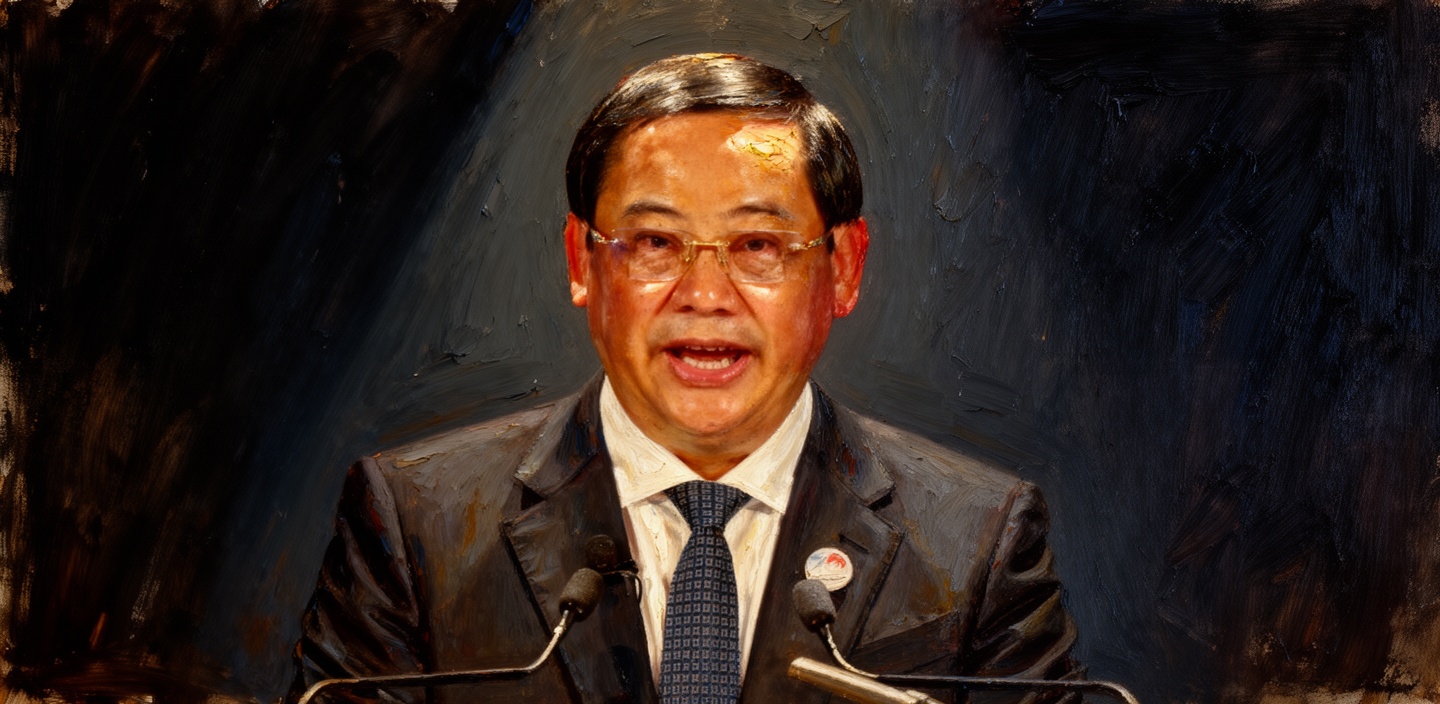
The Prime Minister of Laos, Sonexay Siphandone, announced plans to establish a new energy and logistics hub in the country, aiming to enhance its role in Southeast Asia's economic landscape. This move is positioned as a response to current global conflicts, emphasizing the need for robust infrastructures that can facilitate trade and energy distribution.
Laos has been increasing its focus on developing strategic infrastructures, such as transport networks and energy projects, to bolster its economic standing. By creating this hub, the government hopes to improve regional connectivity and attract foreign investments, reinforcing its position amid a changing geopolitical environment.
Strategically, this hub would provide a significant advantage for Laos, transforming it into a vital node for energy distribution and logistics in the region. Enhanced infrastructure will not only support local industry but also create opportunities for neighboring countries to engage with Laos economically.
Current energy projects in Laos include hydropower plants, such as the Nam Ou hydropower project, which are vital for both domestic consumption and export capacities. By 2025, the government aims to significantly increase its energy output, facilitating trade within the Greater Mekong Subregion and beyond.
The potential success of this initiative relies heavily on international collaboration and investment. As geopolitical tensions rise, Laos's strategic hub may present opportunities for further economic partnerships and reinforce stability in the region through increased trade routes and energy independence.