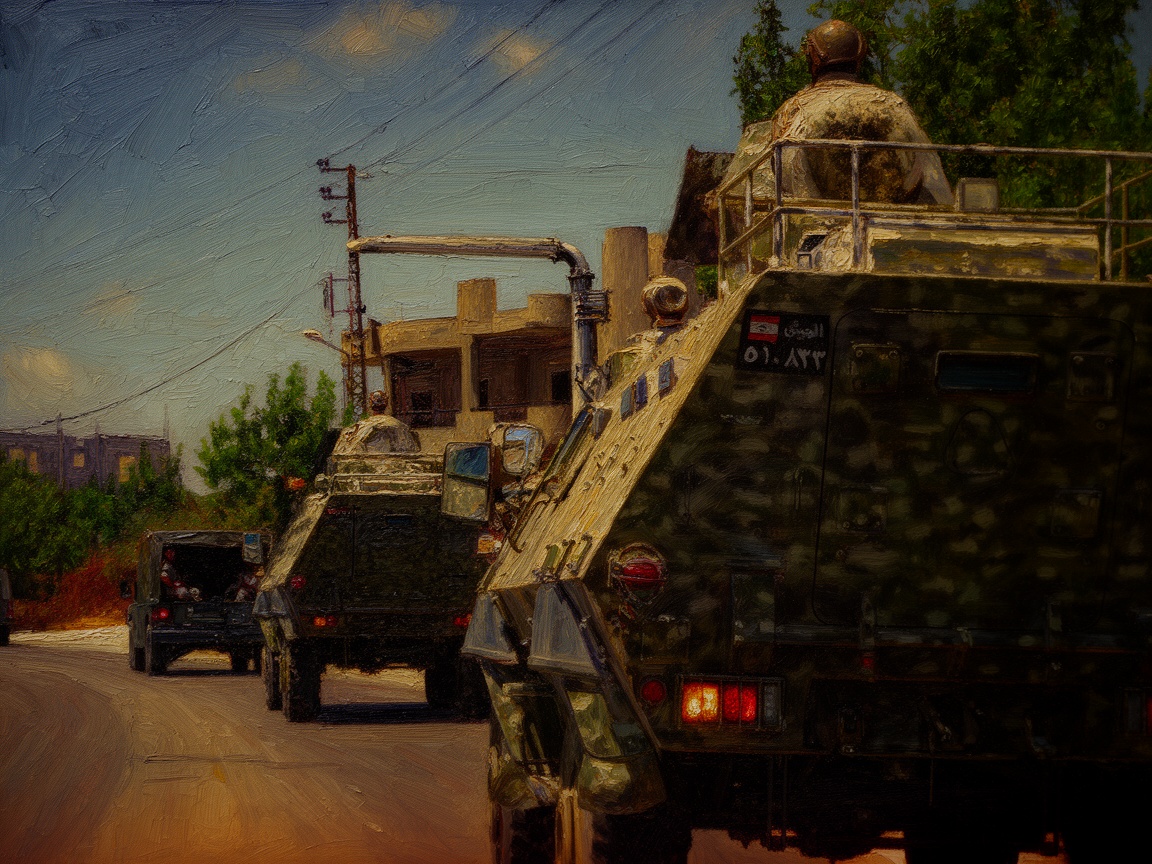
Lebanese Army Enters Strategic Zone as Villagers Return
The Lebanese Armed Forces began operations in a designated 'pilot zone' following a US-brokered agreement for Israel to relinquish control of certain southern territories. This move marks a significant shift in territorial authority in the region.
The Lebanese Armed Forces (LAF) has initiated operations in a designated 'pilot zone' as part of a broader US-backed agreement with Israel, which involves transferring control of specific areas in southern Lebanon back to the Lebanese government. This agreement signifies a pivotal moment in the ongoing negotiations concerning territorial disputes in the region, particularly in light of past tensions between Lebanon and Israel.
The US-brokered plan aims to stabilize the southern border, which has historically been a flashpoint between the two nations. Israel is expected to withdraw from particular locations it currently occupies, enabling the LAF to assert its authority over these territories. The return of villagers to the area highlights this development, emphasizing an effort to restore stability and normalcy in a region marked by decades of conflict.
This shift in control bears significant implications for regional security dynamics. It could enhance Lebanon’s sovereignty in the south and potentially deter further cross-border tensions. Additionally, the agreement may foster improved relations between Lebanese authorities and the local population, who have long suffered from the repercussions of military presence and hostilities.
In operational terms, the Lebanese Army's entry into the pilot zone reflects a strategic enhancement of its capabilities in maintaining order and security. The precise areas being handed over by Israel include key checkpoints and strategic positions that have previously been contentious. This transition aligns with Lebanon’s broader defense objectives to strengthen its territorial integrity and military preparedness.
Looking ahead, the successful implementation of this agreement could serve as a model for future negotiations surrounding disputed regions in the Middle East. However, challenges remain, including local pushback and ongoing tensions with Israel, which may complicate the operational environment. The effectiveness of the LAF in these new roles will be closely monitored by both regional and international actors, as the situation evolves.