Lebanon Faces Pressure to Disarm Hezbollah Amid Meeting
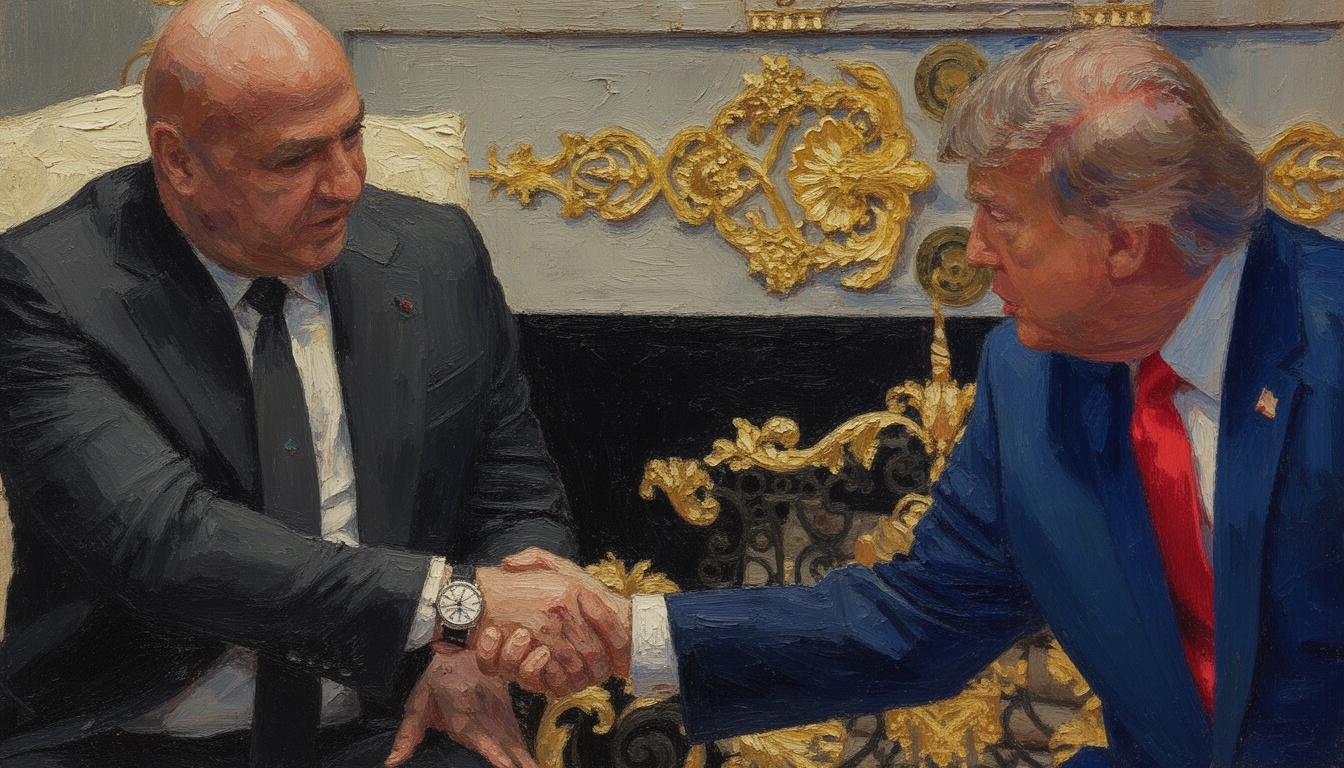
The pressure on Lebanon to disarm Hezbollah intensifies following a meeting between President Joseph Aoun and former US President Donald Trump. This development may significantly influence regional stability.
Lebanese President Joseph Aoun recently met with former US President Donald Trump in a high-profile event as pressure mounts on Beirut to take decisive action against Hezbollah. This meeting comes at a time when international calls for disarmament of the group have intensified, raising concerns about Lebanon's internal security and its alignment with US foreign policy.
For years, Hezbollah has been a dominant force in Lebanese politics and military affairs, backed by Iran. The pressure to disarm the group reflects ongoing tensions in the region, particularly as the US emphasizes the need for accountability in Lebanon's governance and military structures. The discussions between Aoun and Trump underscore the complicated dynamics at play, particularly considering Hezbollah's influence in the Syrian conflict and its relationships with other militant groups.
The strategic significance of this meeting cannot be understated. Lebanon's complex socio-political landscape requires careful navigation, as the disarmament of Hezbollah could lead to a power vacuum potentially exploited by rival factions. Additionally, US support for Aoun's government remains crucial amid concerns that Hezbollah might dominate the political scene further.
Details regarding the discussion between Aoun and Trump have not been fully disclosed, but previous claims suggest that Trump has urged the Lebanese government to take effective steps against Hezbollah. The meeting reportedly explored potential US assistance to bolster Lebanese security forces, but also emphasized the need for reform in Lebanon's military strategies.
Moving forward, the implications of this engagement may redefine Lebanon's defense posture and its relationships with both regional players and the US. As Beirut grapples with external pressures and internal divisions, the path chosen could significantly affect the stability of the country and the broader Middle Eastern landscape.