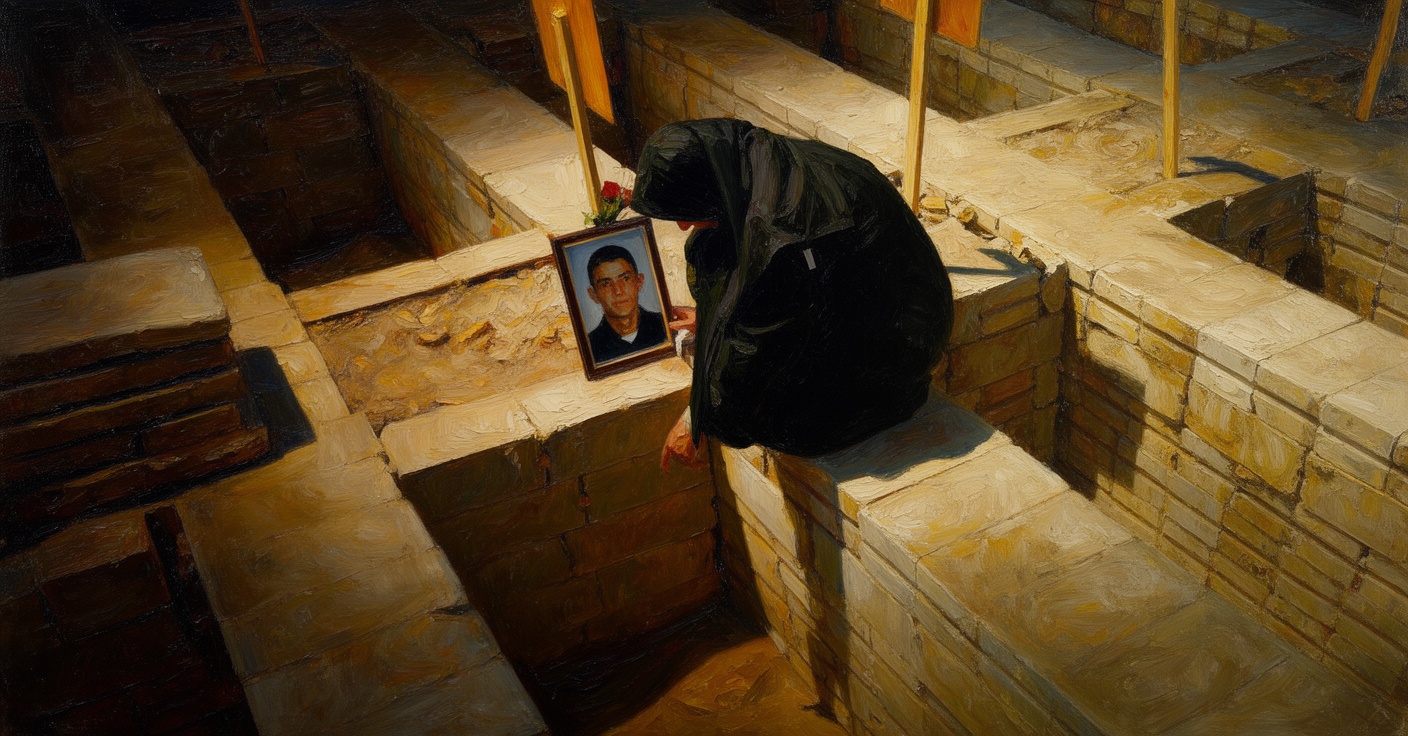
Lebanon's Qana: Bombed Three Times in Three Decades
The repeated attacks on Qana raise concerns about civilian safety in conflict zones. Understanding the strategic implications is crucial for regional stability.
The village of Qana in Lebanon has faced destruction three times over the past three decades due to military actions attributed to the Israeli Defense Forces. Each incident has resulted in significant casualties and raised alarms over the impact on civilian infrastructure and safety. The latest attack occurred on July 29, 2021, highlighting the continuing cycle of violence in this region.
Qana's history of repeated bombings dates back to the Lebanese Civil War and subsequent conflicts, where the village was notably targeted during the Israeli military operations in 1996 and 2006. These actions have exacerbated humanitarian crises and caused international outcry regarding the conduct of military operations in populated areas. The sustained tension in this area demonstrates the ongoing volatility in the Middle East, where civilian livelihoods remain precariously at risk.
From a strategic standpoint, the Israeli military's repeated operations in Qana suggest an attempt to neutralize perceived threats and maintain control over contentious territories. This raises broader questions about the rules of engagement and the ethical implications of targeting areas with a high civilian population density. The geopolitical impact of these actions can influence diplomatic relations and potential peace efforts in the region.
Operationally, the Israeli Defense Forces employ advanced weapon systems in these strikes, with air raids being a prominent method. The precision of these operations, however, is often hampered by inaccurate intelligence and the complex urban terrain of Lebanese cities like Qana. The destruction of civilian shelters raises urgent discussions about the accountability of military tactics used in such conflicts.
As tensions continue in the region, the cycle of violence in Qana serves as a stark reminder of the fragile nature of peace in Lebanon. Local and international stakeholders must address the humanitarian implications and work towards ensuring that civilian safety is prioritized in military strategy.