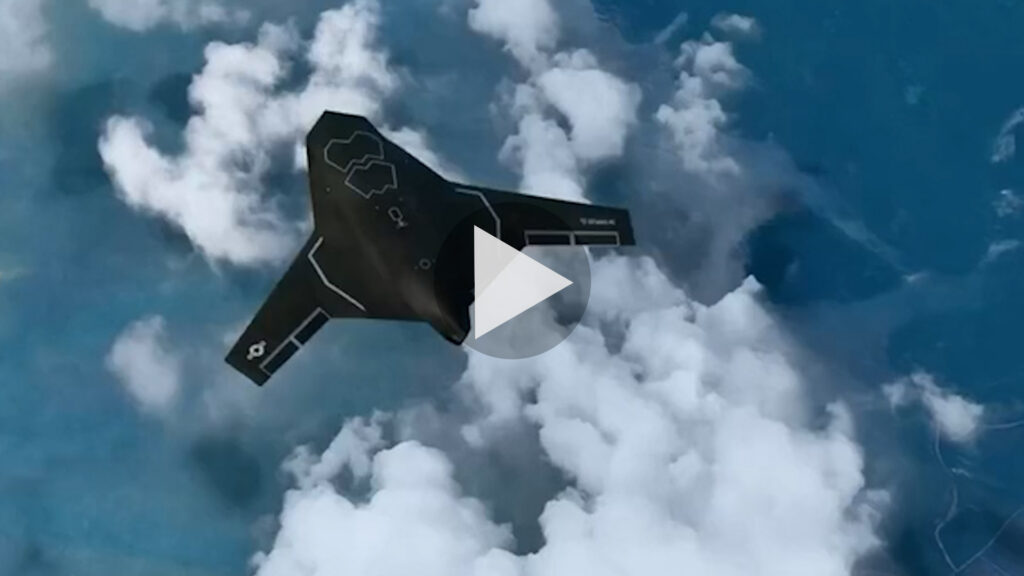
Loyal Wingman Drones: Future of Global Airpower
The rise of loyal wingman drones marks a pivotal shift in military aviation strategies, combining manned and unmanned capabilities for enhanced air superiority.
Loyal wingman drones are emerging as a transformative element in global airpower dynamics. These advanced unmanned aerial vehicles (UAVs) are designed to support manned aircraft, enhancing their combat capabilities while reducing risk to human pilots. The integration of these drones into military teams could redefine operational tactics in various theaters of conflict.
Historically, the development of drone technology has rapidly evolved, reflecting the changing nature of warfare. Countries are increasingly investing in autonomous systems, recognizing their potential to augment traditional air forces. Loyal wingman drones, such as Boeing's MQ-28 Ghost Bat and Northrop Grumman's MQ-4C Triton, represent an innovative approach to maintaining air superiority in contested environments.
Strategic significance lies in their ability to operate alongside crewed fighters, providing both offensive and defensive support. These drones can conduct reconnaissance missions, engage with enemy targets, and even absorb enemy fire intended for manned aircraft, thereby protecting pilots and enhancing mission success rates.
The technical specifications of loyal wingman drones vary, but they typically include advanced sensors, AI-driven decision-making, and prolonged flight endurance. For instance, the MQ-28 is expected to reach speeds of up to 1,000 kilometers per hour, with a flight range exceeding 3,000 kilometers. These capabilities enable real-time battlefield data sharing, significantly improving situational awareness for military commanders.
Looking forward, the deployment and continued development of loyal wingman drones could lead to significant changes in military aviation doctrine. As nations adapt to new technologies, the operational impact of these drones may dictate future defense strategies, shaping the landscape of global airpower for decades to come.