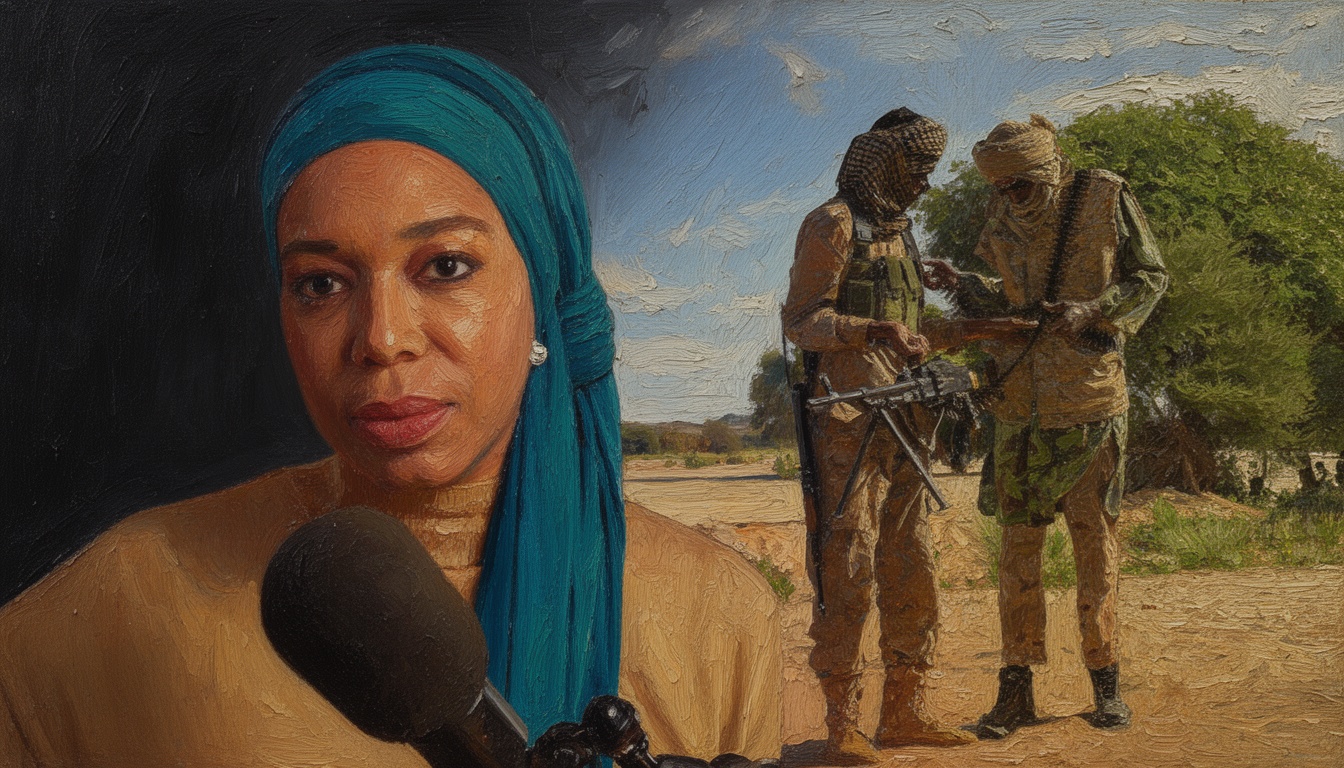
Malian Rebels Attack Nationwide, Kill Defense Minister
The recent coordination between JNIM and Tuareg rebels has intensified conflict in Mali. The assassination of the defense minister signals a significant strategic shift in the region.
On Tuesday, October 3, 2023, coordinated attacks by the Jama'at Nasr al-Islam wal Muslimin (JNIM) and Tuareg rebels unfolded across Mali, resulting in the death of Mali's Defense Minister, General Sadio Camara. Explosions and armed confrontations were reported in major cities, including Bamako, marking a dramatic escalation in the ongoing conflict. This unprecedented assault represents the first time that these factions have collaborated in such a significant manner, targeting the central government and military installations.
The turmoil in Mali has roots in a complex interplay of ethnic tensions, political instability, and the presence of radical jihadist groups. Since the 2012 uprising, the Tuareg rebellion has been fueled by grievances over marginalization, while JNIM has exploited unrest to expand its influence. The killing of General Camara is not only a severe blow to the Malian government but also raises questions about security in a region long regarded as vulnerable to militant activity. The timing of this coordinated assault appears to be a calculated move amid perceived weaknesses in the Malian government’s capacity to maintain order, especially following recent military losses.
Strategically, the alliance between JNIM and Tuareg rebels signals a new phase in the conflict, undermining the Kremlin’s influence in the region, particularly since Russia has increasingly provided military support to Mali’s government. The Kremlin’s backing has been widely criticized due to reports of human rights violations. Analysts suggest that the recent attacks could signal a broader insurgent strategy aimed at undermining Russian presence while garnering support from local populations dissatisfied with current governance.
Tactically, the assaults were marked by the use of improvised explosive devices (IEDs) and coordinated assaults on military checkpoints throughout the country. Estimates from local sources indicate that the attacks resulted in at least 50 casualties among government forces. The rebels’ operational capability raises alarms regarding the potential for future escalations and the viability of defending urban centers against coordinated rebel offensives.
Given the rapid deterioration of security in Mali, further instability is likely. The consequences of this attack could provoke stronger military responses from the Malian government or exacerbate a humanitarian crisis, as civilians may be caught in conflict zones. As rebel factions consolidate power, regional players may need to reassess their engagement strategies to address the evolving security landscape in this troubled country.