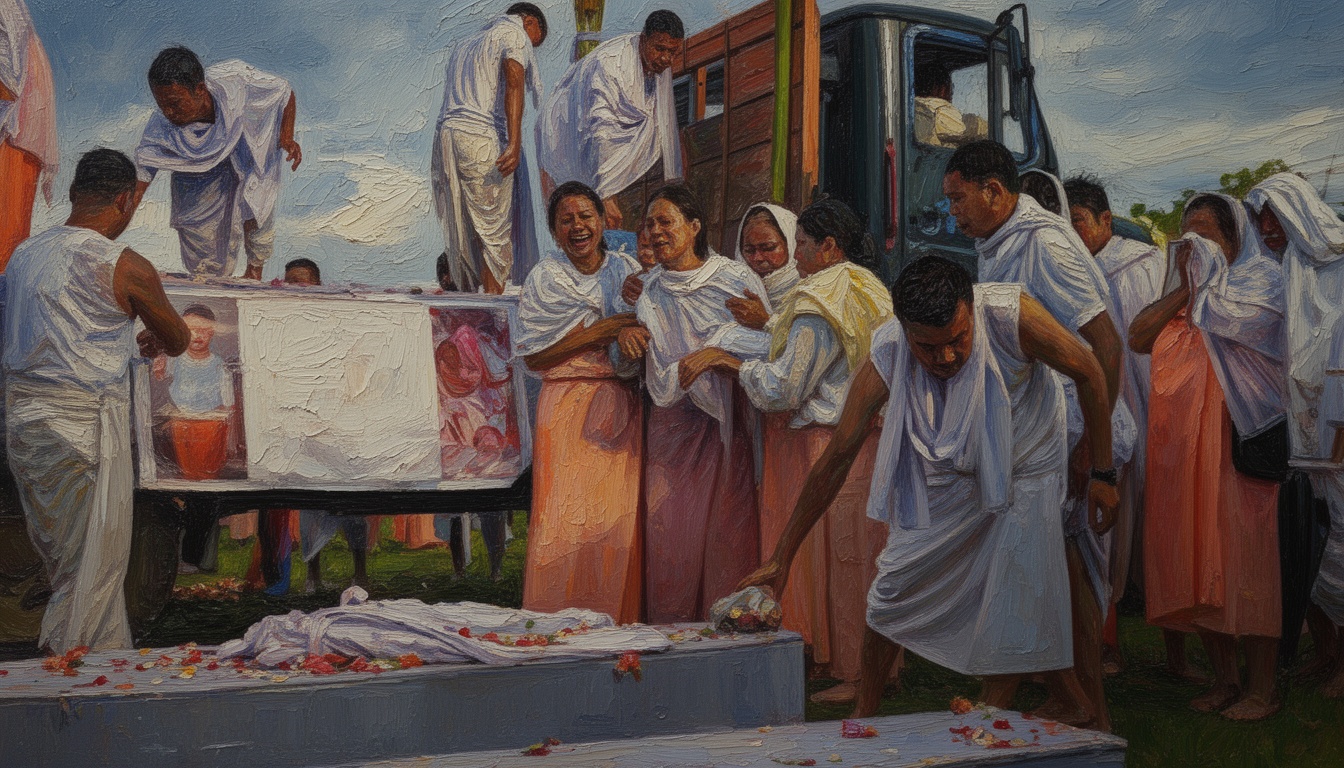
Manipur's Deadly Ethnic Conflict Continues Unabated
India's northeastern state of Manipur faces ongoing violence due to ethnic tensions, with attacks attributed to unidentified assailants. The conflict, which has persisted for three years, poses a threat to regional stability and security.
The ethnic conflict in India's Manipur state has entered its third year, with violence showing no signs of abating. Over recent weeks, reports indicate that clashes have escalated, resulting in numerous casualties and widespread fear among the local population. Despite the severity of the situation, the identity of the aggressors remains officially unacknowledged, complicating efforts to address the conflict.
Historically, Manipur has been a hotbed for ethnic clashes, primarily involving the Meitei and Kuki communities. Recent years have seen a resurgence of violence, fueled by territorial disputes and long-standing grievances. The government's failure to effectively intervene or mediate has allowed tensions to escalate unchecked, significantly impacting civilian life.
This sustained outbreak of violence presents serious implications for regional security. As ethnic groups vie for influence and control, the stability of northeastern India is jeopardized. Neighboring states are concerned that the conflict could spill over borders, creating broader territorial issues within India and its neighboring countries.
The operational details of the violence remain murky; however, reports suggest armed groups are increasingly using sophisticated tactics and weaponry. The lack of effective law enforcement and intelligence in the region has hindered efforts to identify and neutralize these groups. The Indian government has allocated additional resources for policing, but gaps in coordination persist.
Looking ahead, the situation in Manipur could further deteriorate if not addressed promptly. Continued violence may lead to increased militarization in the region, further estranging communities and complicating any future reconciliation efforts. International observers are closely monitoring developments, emphasizing the need for diplomatic solutions to this escalating conflict.