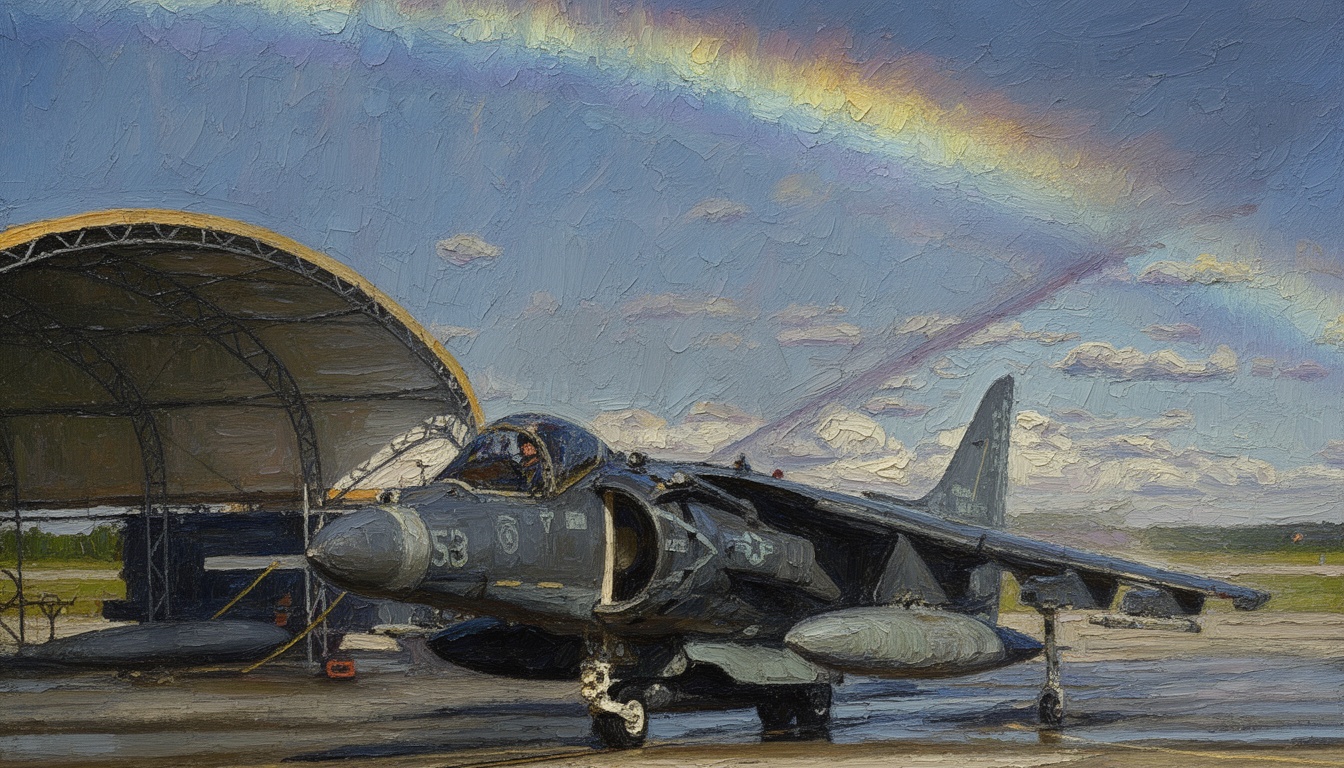
Marine Corps Harrier Final Flight Marks Tactical Transition
The Marine Corps transitions to fifth-generation aircraft, phasing out legacy models. This move could reshape air operations and defense strategies.
The US Marine Corps has conducted the final flight of its AV-8B Harrier aircraft as part of its Tactical Aircraft Transition Plan. This marks a significant step in the Marine Corps' strategy to fully integrate fifth-generation aircraft into their fleet, moving away from legacy models that have been in service for decades.
The decision to phase out the Harrier comes as the Marine Corps aims to modernize its air capabilities and enhance operational effectiveness. The Tactical Aircraft Transition Plan emphasizes a shift to advanced platforms which provide improved speed, stealth, and combat capabilities, reflecting a broader trend in military aviation towards modernization and technological advancement.
Strategically, this transition is likely to impact the Marine Corps' air operations significantly, aligning with the evolving nature of modern conflict that demands superior agility and capabilities from air forces. The integration of fifth-generation aircraft such as the F-35B Lightning II is expected to enhance interoperability with allied forces and provide greater mission flexibility.
The AV-8B Harrier, a key asset since its introduction in the 1980s, has been pivotal in various operations, including airborne assault and close air support. The Harrier's vertical takeoff and landing capabilities were revolutionary for its time, but it is now set to retire as newer aircraft, with enhanced features, take its place.
With the final flight completed, the Marine Corps is poised to finalize the transition to modern air power by fully integrating next-generation platforms by the end of the decade, setting new standards for combat readiness and versatility in aerial operations.