Marines to Undergo Brain Function Evaluations for Health Records
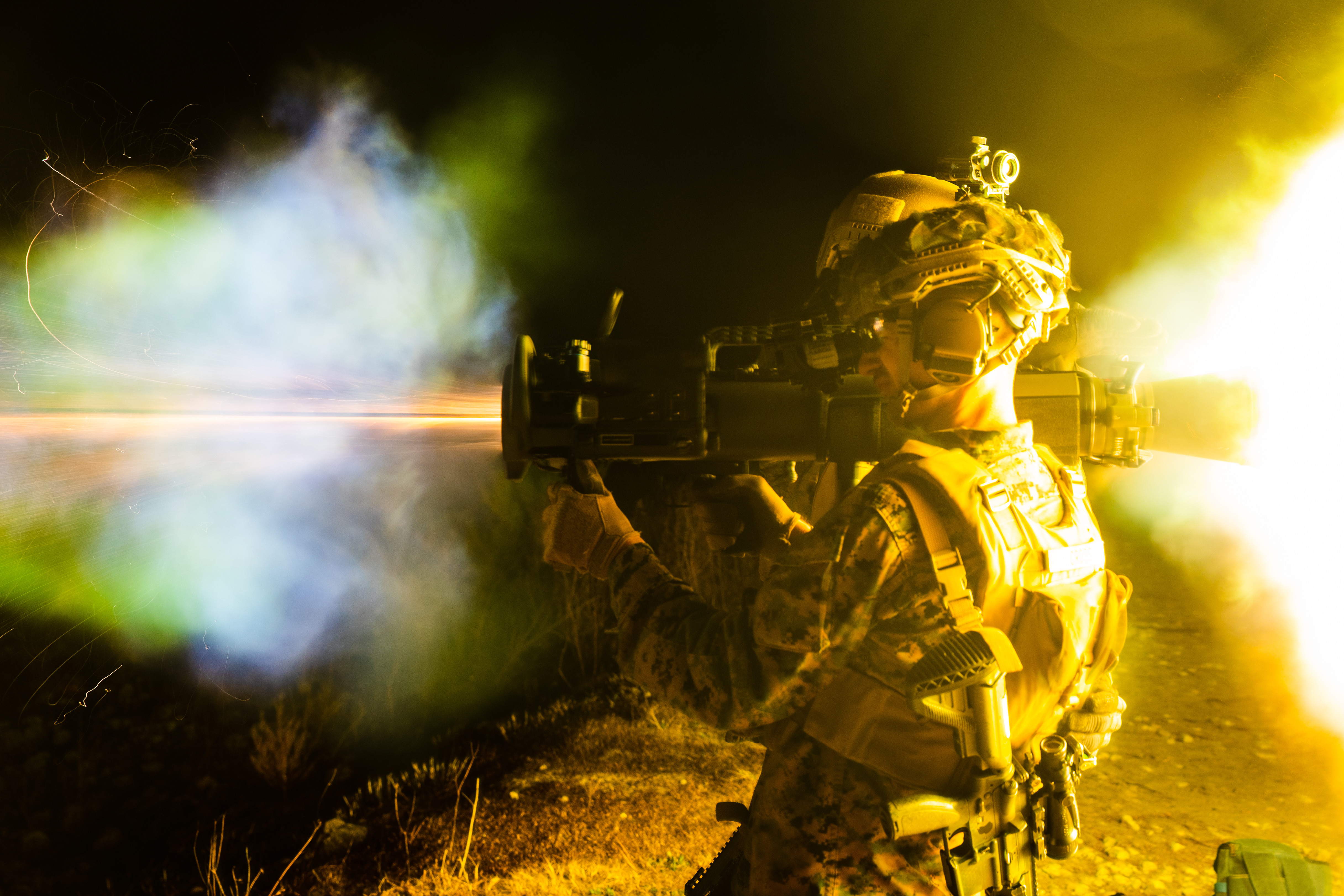
Beginning in September, Marines will be screened for cognitive health impacts linked to blast exposure and overpressure during routine health assessments.
Starting in September 2023, the United States Marine Corps will implement evaluations for brain function as part of the Marine health record process. This significant development will include screening for potential cognitive impairments resulting from blast exposure and overpressure as part of the periodic health assessments. Officials from the Pentagon have confirmed that this initiative aims to address growing concerns about the long-term health effects of military service on cognitive capabilities.
Historically, military personnel have been at risk for traumatic brain injuries (TBI) due to the nature of modern warfare, particularly from explosive blasts. Recent studies have raised alarms about the neurological consequences that can result from even mild TBIs, prompting a reevaluation of health monitoring protocols for Marines. This new screening will be a proactive step to ensure that cognitive health is prioritized in conjunction with physical health assessments.
The strategic significance of this initiative cannot be overstated. By incorporating brain function evaluations, the Marine Corps is aligning its health monitoring practices with emerging scientific research and military medical standards. This proactive approach may also enhance troop readiness, as cognitive impairments can directly affect performance on the battlefield and overall effectiveness in operational environments.
The technical details surrounding the screenings will involve standardized assessments that measure cognitive functions, such as memory, attention, and problem-solving skills. Marines will be subjected to tests during their health assessments to ascertain any impact from their service conditions. The systematic approach to identifying and addressing potential cognitive health concerns will likely set a new precedent within military medicine.
Looking ahead, the likely consequences of these evaluations could lead to earlier detection and intervention for cognitive health issues among Marines. By emphasizing brain health, military leadership hopes to improve long-term outcomes for service members, contributing to enhanced operational capabilities and improved life quality post-service. This initiative may pave the way for similar programs in other branches of the armed forces, establishing a comprehensive standard for soldier health in the modern military landscape.