Massacre of Fulani Herders Highlights Nigeria's Escalating Tensions
The killing of ethnic Fulani herders by a state-backed militia adds to regional instability. Tensions rise amid jihadist influence and armed gangs.
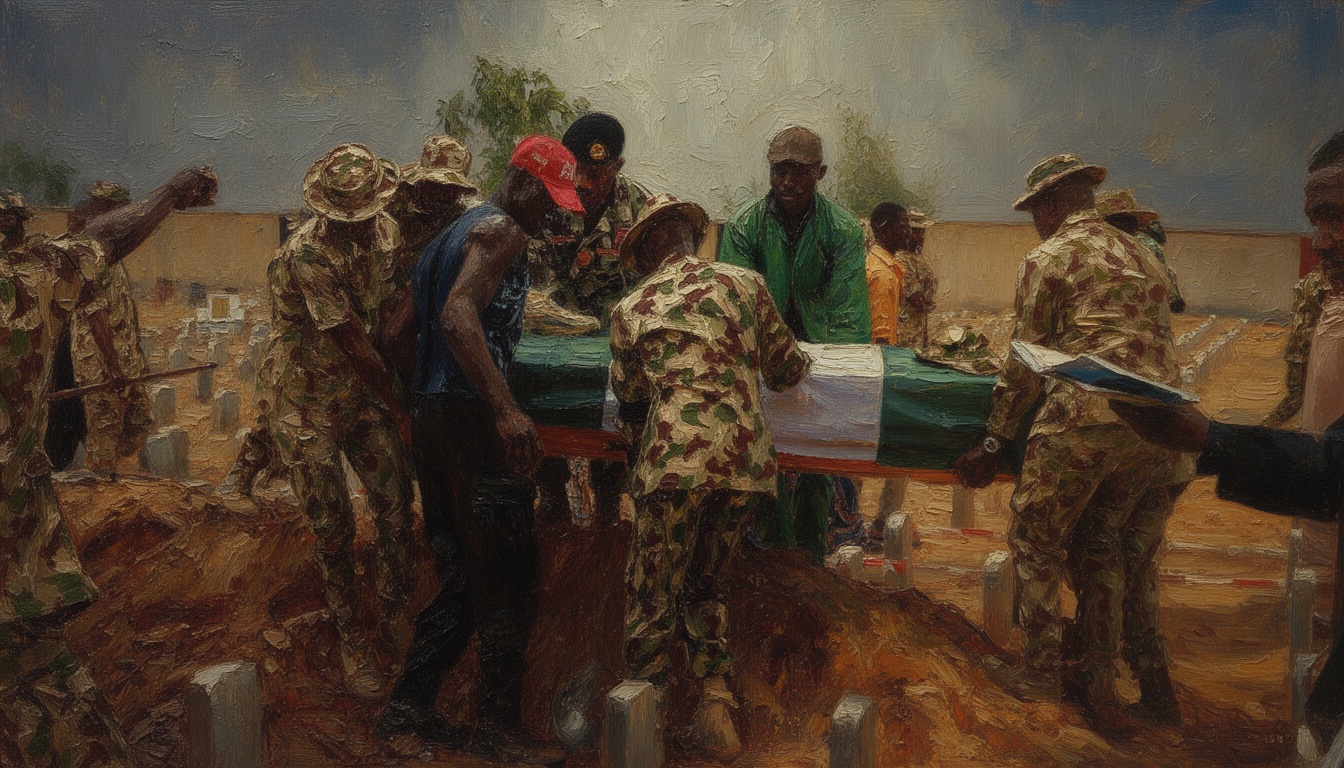
A Nigerian state-backed militia, alongside military forces, reportedly executed numerous ethnic Fulani herders in a recent raid across Niger State. Sources indicate that the violence erupted in response to accusations that these herders were acting as informants for the jihadist group known as Ansaru. The tragedy unfolded in an operation that also involved vigilantes from Benin, further complicating the security dynamics in the region.
This incident follows a troubling trend of increased violence against the Fulani community, who have faced escalating hostility amid ongoing jihadist activities and the proliferation of kidnapping gangs in Nigeria. The intercommunal strife is exacerbated by long-standing grievances and competition over land and resources, particularly in this volatile region. The actions of the militia underline the alarming reality of vigilantism in Nigeria, where residents take security into their hands amid perceived governmental inadequacy.
The strategic implications of this massacre are significant, as they contribute to destabilization in a region already plagued by conflict and insecurity. The synergy between state-backed militias and local vigilantes raises existential questions about the effectiveness and legitimacy of Nigeria's security forces in engaging with insurgent threats. This may incite further retaliatory violence and worsening conditions for all communities involved, deepening the cycle of interconnected crises.
Operationally, the nature of this raid reveals the militant capabilities of local groups, equipped to coordinate cross-border operations. Militia forces reportedly utilized intelligence gathered from local informants, showcasing the pervasive influence of jihadist ideologies and networks in Nigeria and neighboring countries.
The likely consequences of this incident are yet to unfold, but the increase in anti-Fulani sentiment could prompt further violence and erosion of social cohesion in the region. Clashing interests of various actors point towards a future of heightened tensions and conflict, necessitating urgent international attention and intervention to curb the persistent cycle of violence.