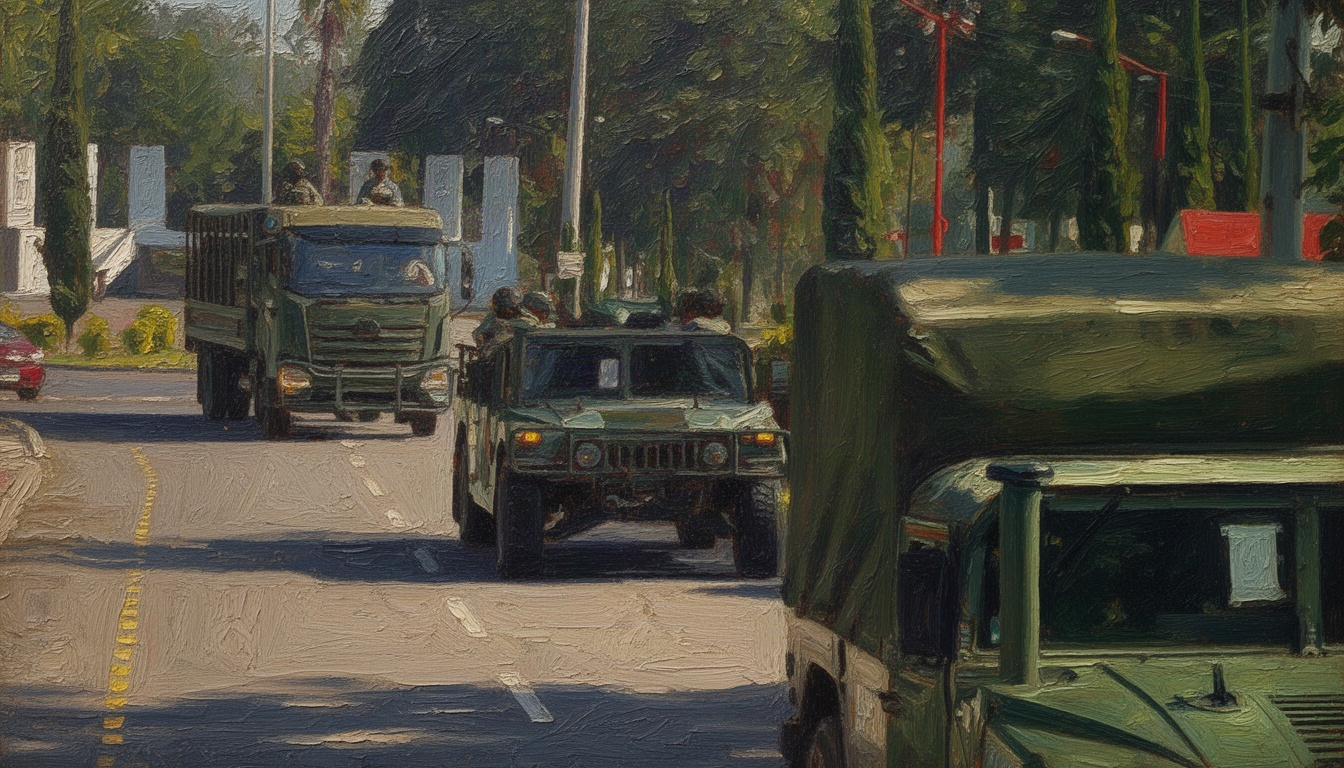
Mexico Deploys 1,500 Troops to Protect Avocado Region
The deployment of troops comes after the US suspended inspections of avocado imports. This action underscores the escalating tension in agricultural trade between the two nations.
Mexico has deployed over 1,500 troops to Michoacán, the country's primary avocado production region. This move was prompted by the decision of the United States to halt inspections on avocado imports, creating a potential disruption in trade relations. The deployment aims to secure avocado orchards and ensure that production remains uninterrupted amidst rising concerns.
Michoacán has long been a significant contributor to avocado production, with exports primarily destined for the United States. The suspension of inspections has raised alarms regarding the safety and quality of avocados entering the US market, leading to fears of financial loss for Mexican farmers and exporters. In response, the Mexican government has taken decisive steps to mobilize military resources to safeguard this critical agricultural sector.
Strategically, this situation highlights the vulnerabilities in trade relations between Mexico and the United States, particularly in the agricultural sector, which constitutes a vital part of Mexico's economy. The deployment of troops signifies a shift in the government's approach to handling trade disputes and securing economic interests on the international stage.
The military presence in Michoacán will focus on patrolling agricultural land and preventing any potential disruptions caused by criminal organizations that often target farms and agricultural trade routes. This initiative also involves coordination with local law enforcement to enhance security measures and maintain order in an environment threatened by criminal activity.
Moving forward, the consequences of this incident could lead to increased militarization of agricultural regions in Mexico. The long-term implications may drive a wedge in US-Mexico trade dynamics, prompting further discussions on trade regulations and agricultural safety standards in the coming months.