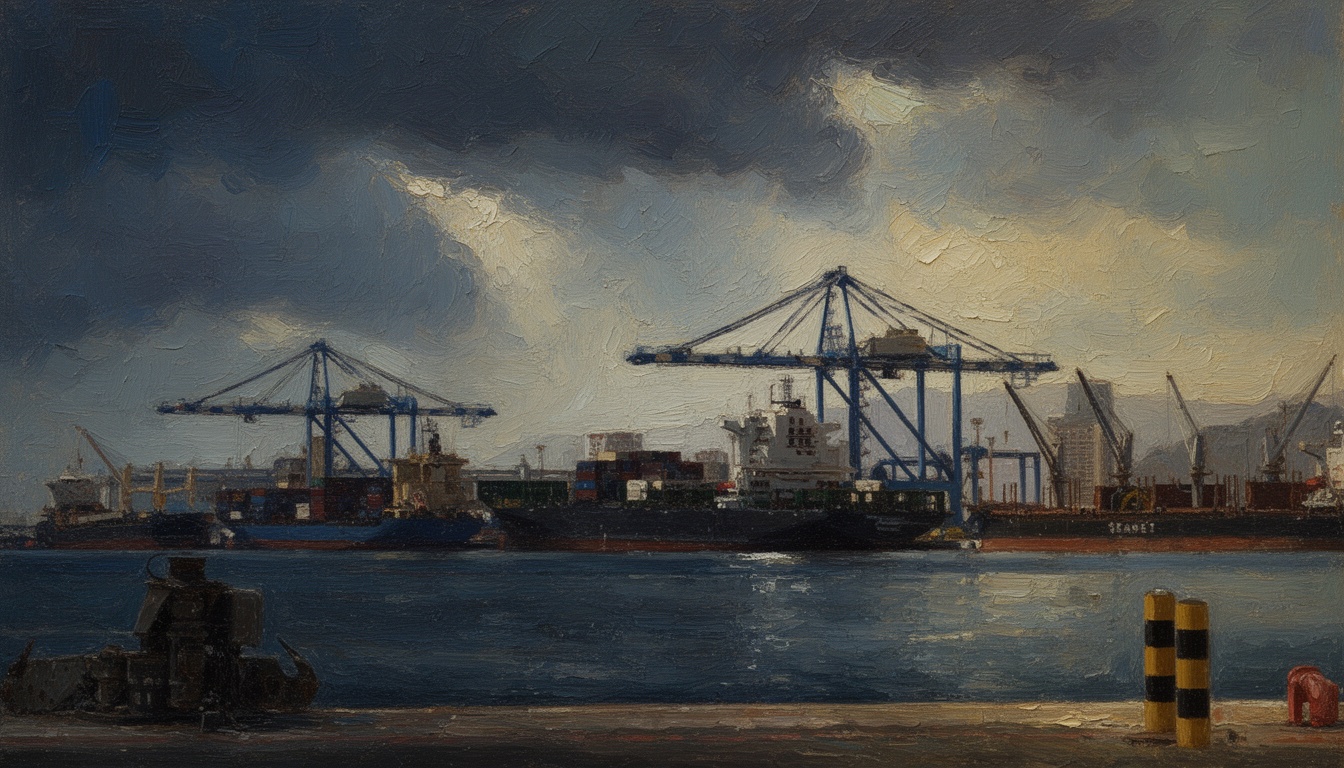
Middle Eastern States Pursue Resilience with New Logistics Corridor
Middle Eastern governments are developing overland transport corridors to secure oil and gas supplies against maritime threats. This strategy responds to disruptions caused by ongoing regional conflicts, particularly in the Strait of Hormuz.
Middle Eastern governments are reviving long-standing plans for overland oil and gas pipelines while urgently drafting proposals for new rail-sea transport corridors. This initiative is a direct response to the disruptions experienced in maritime trade through the Strait of Hormuz and the Red Sea due to escalating regional conflicts. As tensions remain high, these new corridors aim to secure vital energy supplies for the region.
Historically, both the Strait of Hormuz and the Red Sea have been crucial shipping lanes for the global energy market, with significant oil and gas exports passing through. The rise in hostilities involving the US-Israel alliance against Iran and its network of regional proxies has prompted governments to rethink their logistics strategies. The potential for continued threats to these key maritime routes has intensified the urgency for alternative transport options.
The strategic significance of developing overland corridors cannot be understated. By reducing reliance on these vulnerable shipping lanes, Middle Eastern countries aim to enhance their economic resilience and ensure uninterrupted energy exports. The proposed rail-sea routes are designed to extend the current logistics network, thereby diversifying the transportation of oil and gas away from conflict-prone regions.
Specific details regarding the logistics infrastructure are currently being refined, with initial plans focusing on connectivity between major cities and ports. Both conventional and high-capacity rail networks are likely to be integrated, facilitating efficient movement of energy resources. Moreover, this transition might involve significant investments in regional transport capabilities to maximize operational effectiveness.
Looking ahead, the success of these initiatives could reshape energy logistics in the Middle East. Should these corridors be established effectively, the region may see a significant reduction in vulnerability to external threats. The ripple effect of improved transport resilience could also bolster economic stability and foster closer regional cooperation within the Gulf states.