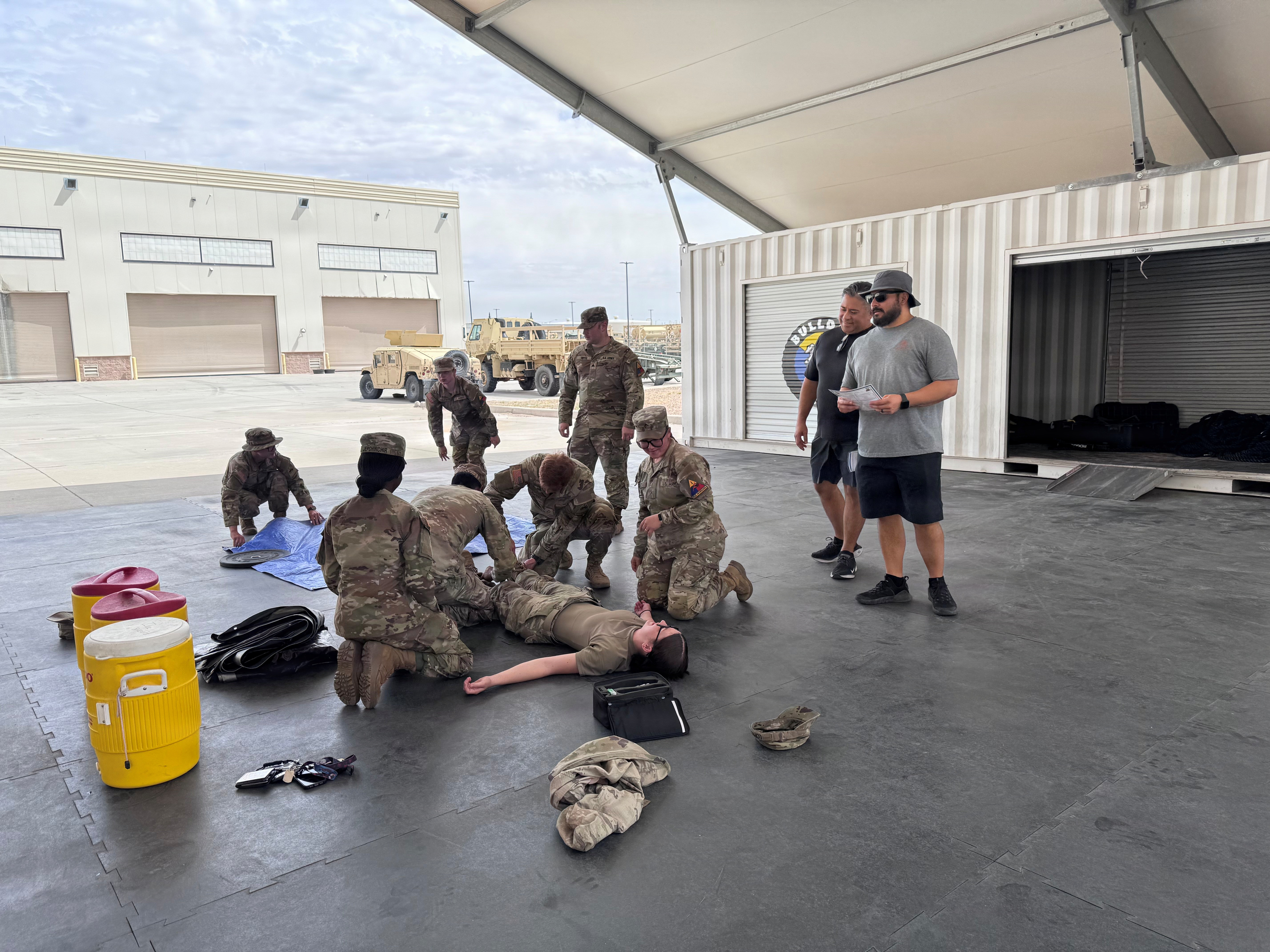
Military Heatstroke Cases Continue to Rise Worldwide
A second consecutive year has seen an increase in military heatstroke cases according to recent data. This trend raises concerns over operational health and readiness in armed forces globally.
Recent data published by the Defense Health Agency reveals a troubling rise in military heatstroke cases, marking a second consecutive year of such increases in 2025. This surge indicates the growing impact of extreme weather conditions on military personnel, which could hinder operational effectiveness and readiness in various climates.
Background analysis shows that the problem of heat-related illnesses is becoming more prevalent, particularly in regions experiencing rising temperatures and increased deployment durations. These conditions necessitate a reevaluation of current training protocols and heat safety measures to ensure the well-being of service members.
The strategic significance of this issue cannot be overstated. As military units increasingly push the boundaries of technology and operational tempo, ensuring the health of personnel becomes critical to maintaining combat effectiveness. A failure to address these rising heat-related cases could lead to reduced operational capabilities during crucial missions.
Operationally, this situation calls for advanced training and technology to mitigate heat-related risks. Enhanced monitoring systems and adaptive clothing designs could be critical in managing the effects of extreme heat. Additionally, the investment in education and awareness campaigns will be vital in preparing troops for heat exposure and maintaining overall health.
As military forces worldwide confront these rising challenges, the commitment to improving heat management strategies will likely shape future operational policies. Without effective interventions, the increasing trend of heatstroke cases could compromise mission success and the safety of military personnel.