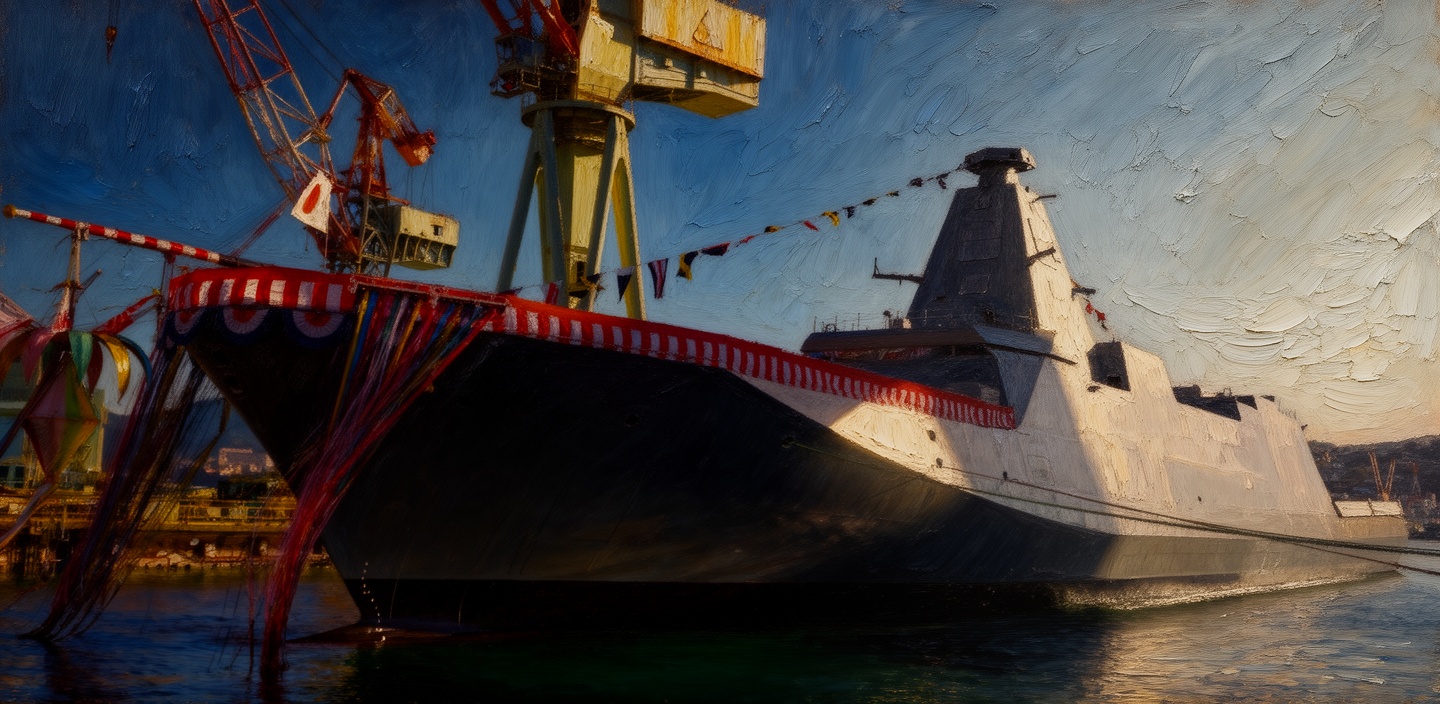
Mitsubishi Heavy Anticipates Profit Surge with Eased Arms Export Rules
Japan's recent decision to relax arms export restrictions is set to have significant implications for defense contractors. Mitsubishi Heavy Industries is poised to capitalize, potentially boosting profits in the forthcoming fiscal years.
Mitsubishi Heavy Industries has announced expectations of a substantial increase in profits following the Japanese government's decision to relax arms export regulations. This change, officially introduced last week, signals a shift in Japan's defense policy, demonstrating a greater willingness to engage in international arms trade. The company projects that this could drive revenue growth, particularly in defense sectors previously restricted under stringent export policies.
Historically, Japan maintained a pacifist constitution that limited arms exports, a stance that has dramatically shifted in recent years amidst regional security concerns and the evolving geopolitical landscape. The amendment of these rules allows Japanese firms to engage in joint defense projects and export advanced weaponry, providing opportunities to collaborate with allies such as the United States and Australia.
The strategic implications of this policy change cannot be understated. As global defense spending rises, allowing Japanese companies like Mitsubishi Heavy to participate in arms sales will enhance Japan's defense capabilities and strengthen its alliances. This might also bolster Japan's standing in the international arms market, leading to increased competition for established arms manufacturers.
Mitsubishi Heavy's defense division has already been involved in developing systems such as the Aegis missile defense and the F-35 fighter jet’s components. The firm also has a history of partnerships with Western defense industries, which may be further accelerated by the new export rules. The company is prepared to invest in enhancing its production facilities to meet anticipated increases in defense contract demands.
In conclusion, the easing of arms export rules by the Japanese government is expected to result in significant financial benefits for Mitsubishi Heavy. This policy shift not only promises increased profitability but also marks a transformation in Japan's defense posture, with potential consequences for regional and global security dynamics moving forward.