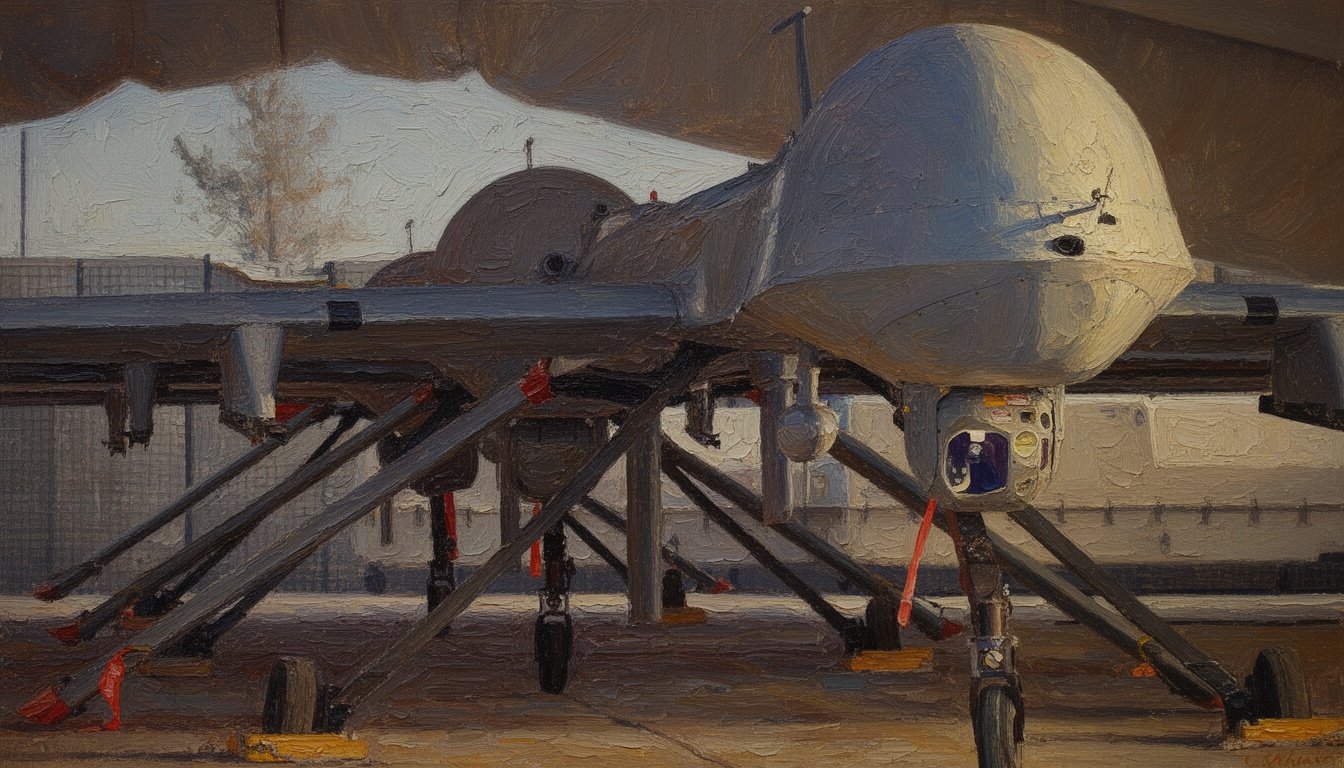
MQ-1 Predator Drones Resurface in Specialized Roles
Ex-Air Force MQ-1 Predator drones are reportedly still in service for niche missions. Their continued operation indicates a strategic use of legacy systems in modern contexts.
Formerly retired MQ-1 Predator drones that served with the U.S. Air Force have been identified as remaining active in specialized roles. Reports suggest these drones are not yet fully retired but are being repurposed for specific missions requiring low-cost air support. The ongoing use of these drones highlights a shift in operational strategy, leveraging existing resources in unique applications.
Historically, the MQ-1 Predator was first introduced in the mid-1990s as a part of the United States' drone program. After retiring from frontline operations, these drones were expected to phase out completely. However, the decision to repurpose them reflects a recognition of their value in certain combat and reconnaissance roles. In light of budget constraints, repurposing older platforms could provide a cost-effective solution for continuing surveillance and precision targeting.
The operational significance of retaining the MQ-1 has implications for modernization efforts across militaries worldwide. With increasing tensions in various regions, the ability to deploy low-maintenance drones for intelligence gathering and strike missions offers a strategic advantage. Other nations may look to similar models for enhancement of their tactical capabilities without massive investment in new technology.
In terms of capability, the MQ-1 Predator features a wingspan of 48.7 feet and can carry an array of sensors, including cameras and laser designators. Additionally, it has the capacity to perform armed operations with Hellfire missiles, giving it multi-role capabilities. The cost-effectiveness of utilizing these drones involves lower operational costs compared to newer unmanned systems, allowing for extended operations where budget constraints may limit other options.
Moving forward, the continued operation of the MQ-1 Predator could set a precedent for other militaries to consider the longevity of older military technologies. As nations address evolving conflict paradigms, adaptability and resource efficiency will likely guide future operational design and procurement strategies.