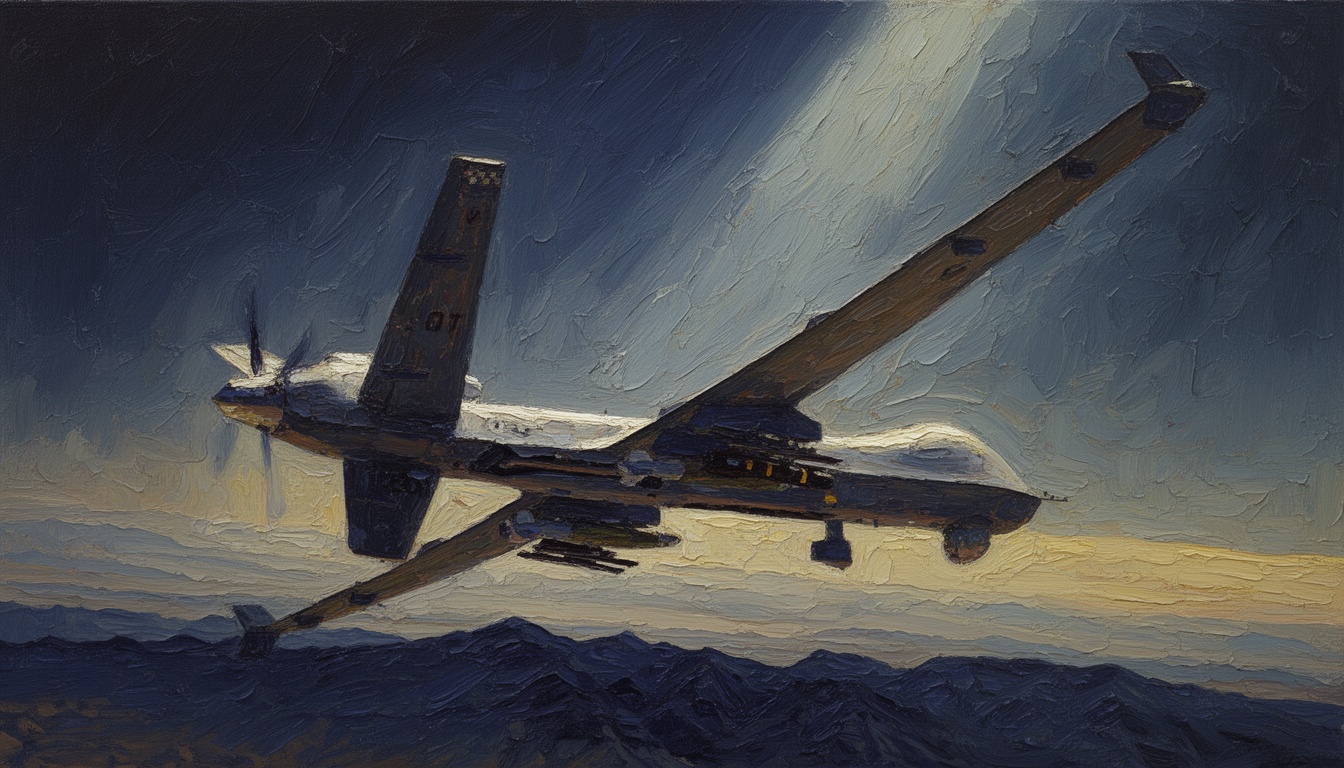
MQ-9 Reaper Successor Focuses on Cost for Mass Production
The U.S. Air Force aims for a cost-effective MQ-9 Reaper replacement that prioritizes operational flexibility over survivability. This paradigm shift indicates a transformation in unmanned aerial vehicle strategy.
In a significant shift, the U.S. Air Force has announced that its MQ-9 Reaper successor will prioritize cost-effectiveness over survivability. This approach aims to produce a drone that can be sacrificed during operations, thereby allowing for broader and more diverse missions. The push for a lower-cost drone reflects changing strategic needs, focusing on quantity and versatility rather than the high-end capabilities traditionally associated with UAVs.
Historically, unmanned aerial vehicles like the MQ-9 Reaper have emphasized a combination of intelligence, surveillance, and reconnaissance capabilities, along with strike functionality. However, the changing dynamics of modern warfare compel a reevaluation of drone requirements, especially as adversaries develop counter-drone technologies. The U.S. Air Force's new strategy may lead to the creation of a fleet of affordable drones that can operate in contested environments while accepting higher risk levels for mission success.
Operationally, this means the new drone could be designed to engage in a wider array of missions, including those with higher exposure to threats. Expected to allow for mass production, this approach could streamline resources and enhance rapid deployment capabilities. The focus on creating a drone that is economically viable for loss could redefine doctrines surrounding UAV employment in both non-combat and combat scenarios.
Technically, while specific details about capabilities and specifications remain under wraps, it is anticipated that the successor to the MQ-9 Reaper will feature modular designs for mission adaptability. This could include interchangeable payloads for surveillance, combat, and perhaps electronic warfare. The financial implications of this transition emphasize a significant reduction in acquisition and maintenance costs that align with modern military budgets.
The implications of prioritizing cost over survivability are substantial. By adopting this approach, the U.S. Air Force seeks to outpace adversaries in quantity while potentially sacrificing some technological edges. This change could resonate with other nations contemplating similar advancements in drone warfare, pushing forward the evolution of unmanned systems into more affordable and numerous platforms.