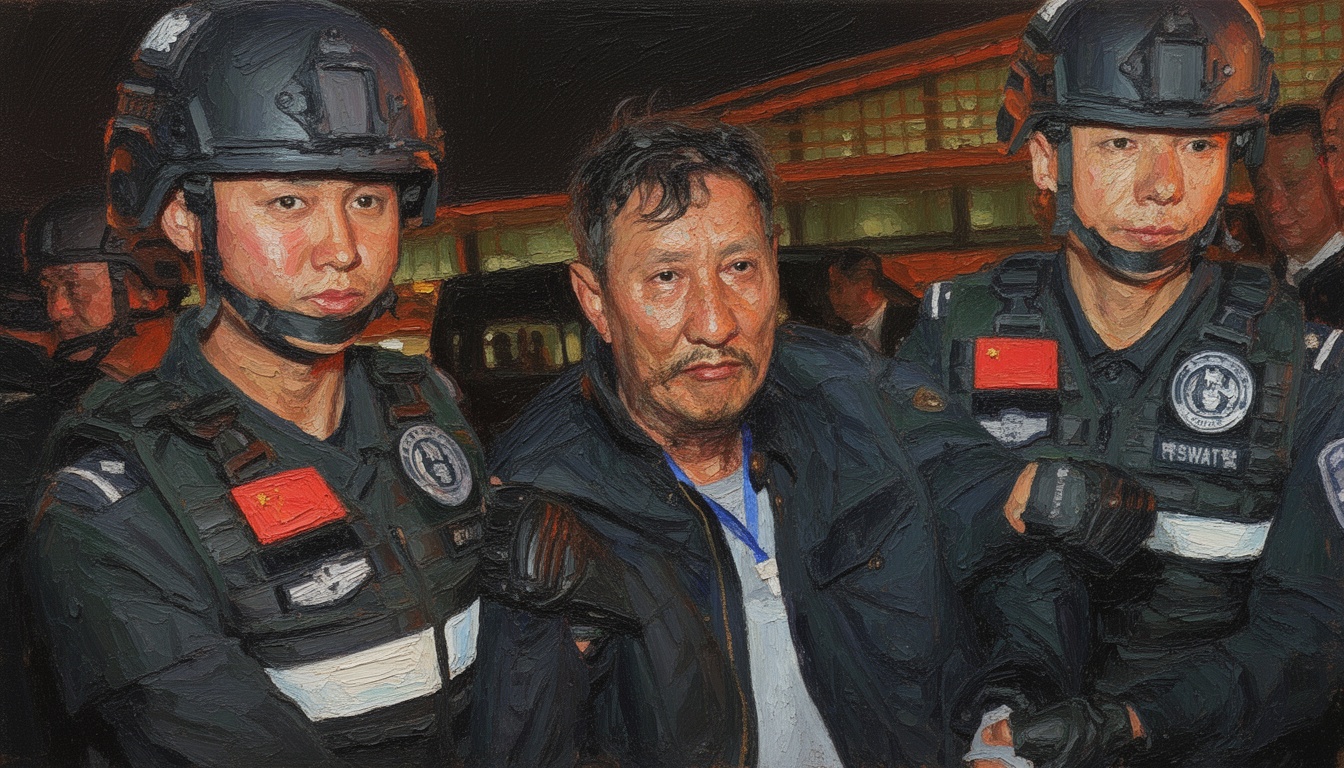
Myanmar Clan Wei Faces Trial in China's Anti-Scam Crackdown
Myanmar crime boss Wei Huairen and his syndicate are on trial amid China's extensive efforts against transnational fraud operations. The case highlights the intersection of organized crime and state authority in the region.
Wei Huairen, known as Wai San, is undergoing trial this week in China, charged with serious offenses including fraud, murder, extortion, and facilitating illegal border crossings. This legal action reflects Beijing's ongoing crackdown aimed at eradicating crime syndicates involved in cross-border scams and fraud networks.
The Wei family's operations are reportedly rooted in the Kokang region of Myanmar, where they are said to have exploited military and political connections to facilitate their illicit activities. Prosecutors claim that the syndicate has been active since at least 2019, using corruption and violence to maintain control over their operations and evade law enforcement.
This trial marks a significant moment in China's broader strategy to combat transnational organized crime, specifically focusing on networks that exploit geographical and political vulnerabilities. The Wei case underscores the challenges authorities face when addressing the interplay between organized crime and local governance in border regions.
In terms of operational details, the charges against Wei and his syndicate could lead to severe penalties under Chinese law, including life imprisonment or capital punishment, given the gravity of the allegations. The sentencing phase will be crucial in demonstrating China's commitment to maintaining order and reducing crime rates.
The implications of this case extend beyond individual convictions; they pose questions about the effectiveness of international cooperation in tackling organized crime and how regional dynamics may be affected. As authorities pursue the Wei family, the flow of illicit activities might be disrupted, yet it remains to be seen if this action will deter similar operations in the future.