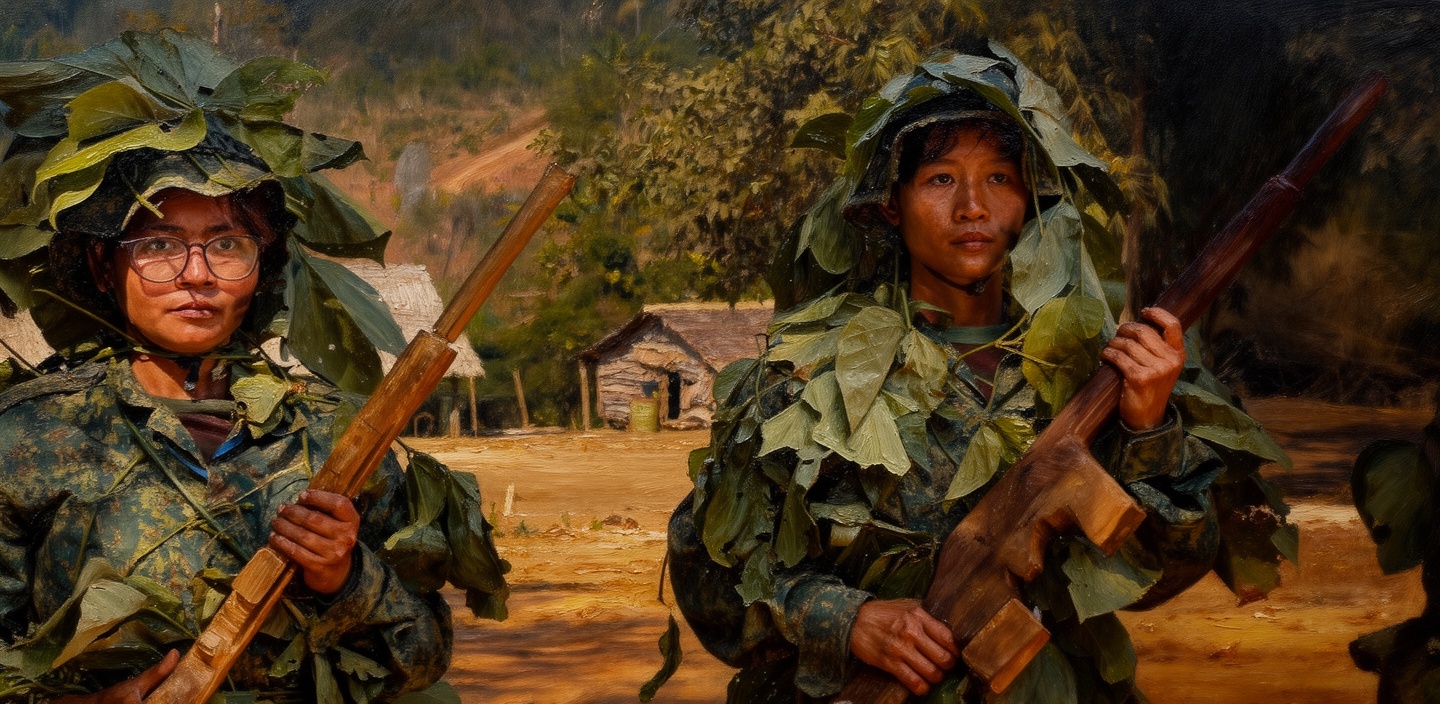
Myanmar Military Clashes with Rebels Drop by Half
The decrease in military clashes in Myanmar indicates a possible shift in the conflict dynamics. This change could impact regional stability and influence external diplomatic engagements.
Military clashes between the Myanmar Armed Forces and ethnic rebel groups have reportedly dropped by 50% from their peak, signaling a potential shift in the ongoing conflict. Data regarding the number of clashes have shown a significant reduction over the last several months, highlighting a possible stagnation in hostilities or changes in military strategy.
The Myanmar military, known as the Tatmadaw, has faced multiple ethno-nationalist armed movements across the country, notably from groups such as the Karen National Union (KNU) and the Arakan Army (AA). These movements have continued to strive for autonomy and greater political representation, which has led to protracted confrontations. The recent decrease in clashes may be attributed to various factors, including PR efforts and diplomatic negotiations.
Strategically, this reduction can be interpreted in multiple ways. While it could indicate a temporary lull, some analysts suggest that it reflects a reallocation of military resources towards more critical operations elsewhere. The impact of this reduction is being monitored closely, as neighboring countries remain concerned about the wider implications for border security and potential spillover effects on regional stability.
Furthermore, recent assessments of military operations indicate that the Tatmadaw has been focusing on consolidating its control in key regions instead of engaging in widespread clashes. Notably, there have been reports of increased use of artillery and air support in targeted, high-impact operations against specific rebel strongholds rather than engaging in continuous frontline confrontations.
The long-term consequences of this trend remain uncertain. Should the decrease in clashes lead to a more sustained ceasefire, it may open pathways for genuine political dialogue with the rebel groups, but continued skepticism around the military's commitment to a peaceful resolution hampers optimism. The situation demands vigilant oversight as it evolves, with increased international attention likely to influence the Myanmar military's actions moving forward.