NATO Allies Criticized for Lack of Support in Iran War
US criticism signals potential fractures in NATO unity amidst regional tensions. Trump’s remarks highlight the complexities of alliance commitments.
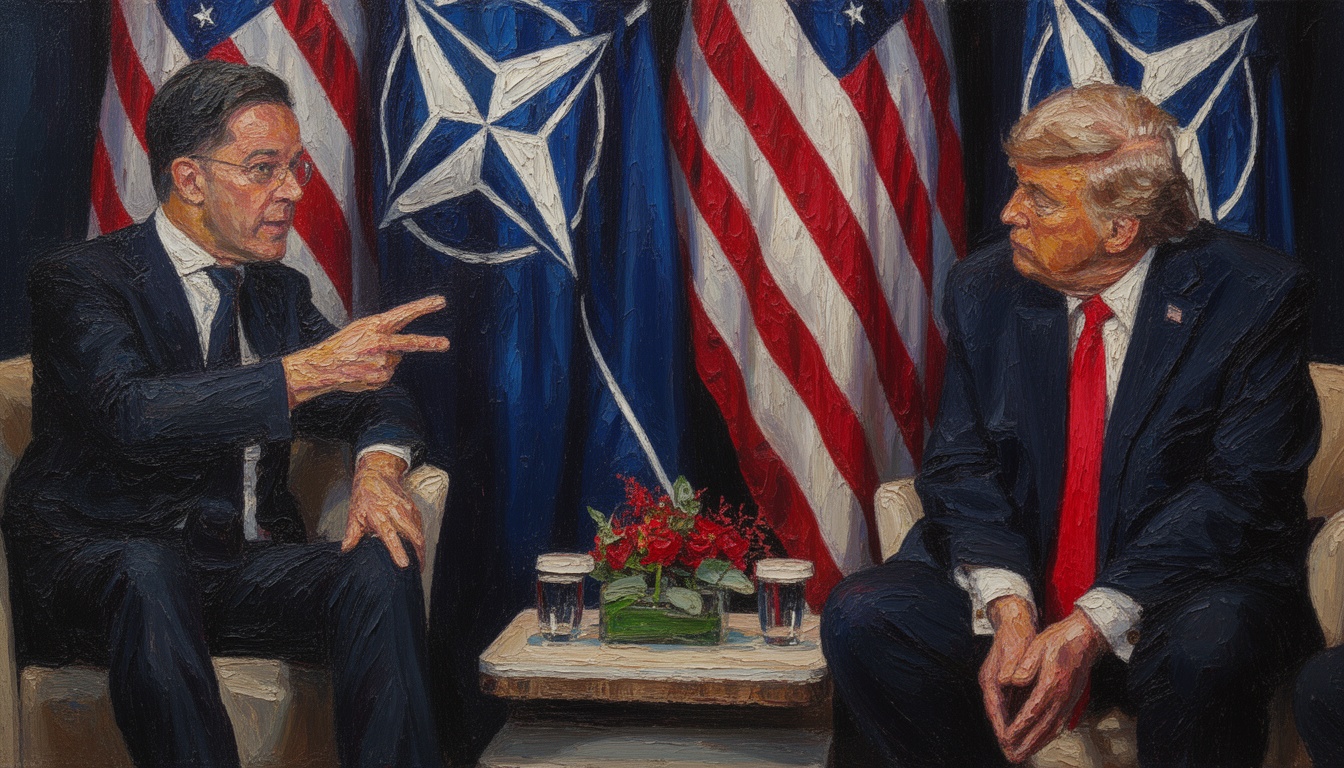
Former President Donald Trump expressed disappointment over NATO allies’ lack of support for the US military efforts against Iran during a conversation with NATO Secretary General Mark Rutte. On Wednesday, Trump stated that Washington had 'demolished' Iran without the need for assistance from other alliance members, reflecting frustration over their military commitment.
Throughout the conflict, it is noted that between 4,000 and 5,000 US aircraft were actively operating from bases in Europe. Rutte defended NATO allies, suggesting that their contributions to global stability and security remain significant, even if they did not directly support the US military campaign against Iran.
Strategically, Trump's comments may signal underlying tensions within NATO, as allies grapple with their own defense capabilities and commitments. The lack of US support in global conflicts could raise questions about the future reliability of NATO as a unified military alliance.
The incident raises critical operational considerations for NATO's collective defense doctrine. The reliance on US military assets in Europe underscores the complexities in NATO member states' willingness to engage in conflicts outside their borders, particularly when facing non-traditional adversaries like Iran.
As the international community closely monitors these developments, the implications for NATO's cohesion could be profound. Divergent military strategies may prompt a reassessment of collective defense commitments and necessitate stronger dialogue about shared responsibilities among member nations.