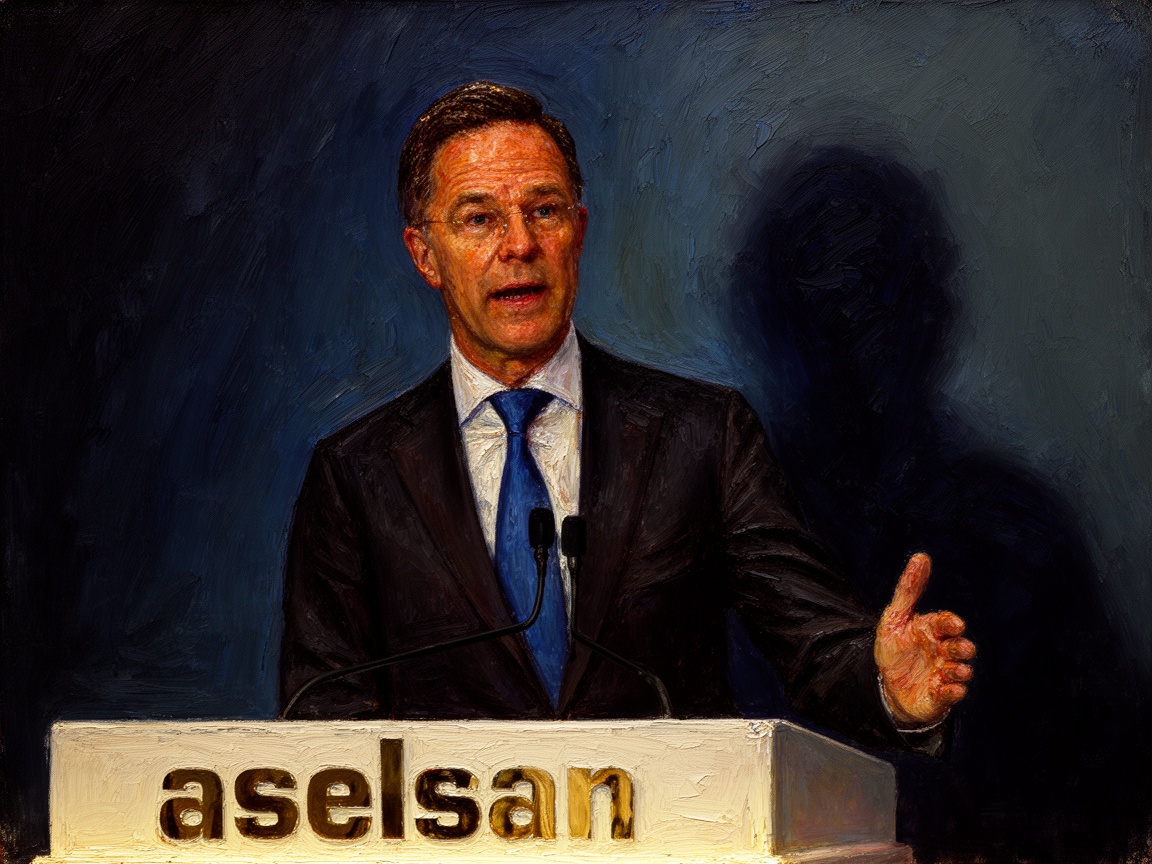
NATO Chief Asserts European Allies Aware of Trump’s Defense Message
NATO Secretary-General Jens Stoltenberg indicates that European nations understand US concerns about defense spending. This comes amid accusations from President Trump regarding insufficient support for US initiatives.
NATO Secretary-General Jens Stoltenberg stated that European nations have comprehended the message from US President Donald Trump regarding defense spending obligations. This assertion was made during a press conference held last Wednesday, reflecting ongoing tensions about allied defense contributions.
Background discussions between NATO allies have intensified, particularly concerning perceived imbalances in defense expenditures. President Trump has repeatedly criticized several NATO member countries for not meeting the alliance's defense spending targets of 2% of GDP, a demand he reiterated in recent statements regarding the broader geopolitical landscape, specifically in relation to the US-Israel dynamics in the region.
The strategic significance of this message emphasizes the necessity for NATO allies to increase their defense budgets and share the burden more equitably. Such developments could potentially alter the security dynamics in Europe, especially as the US seeks a more assertive role in Middle Eastern conflicts, particularly regarding Iran.
Details from NATO's recent defense review indicate that many member countries have increased their military budgets, with some reporting up to 20% growth in expenditure over the last two years. The emphasis on greater military capability comes in light of threats from state and non-state actors in various regions, including ongoing conflicts involving Russia and the Middle East.
In conclusion, the likelihood is that this ongoing pressure from the US will lead to increased defense investments in Europe. European nations may aim to bolster their capabilities not only to satisfy US expectations but also to enhance their independent defense postures amid a shifting global security environment.