NATO Nations Assess Interceptor-Drone Market's Price Competition
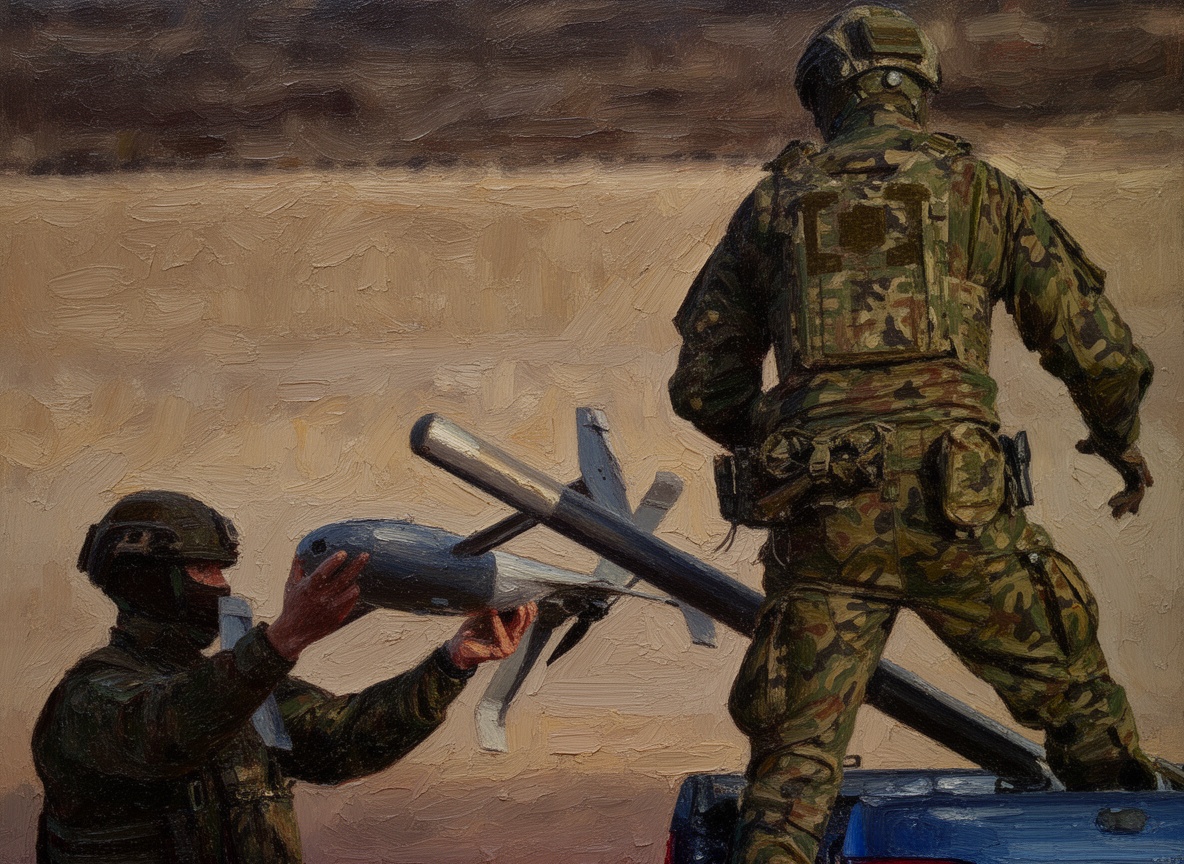
NATO nations are focusing on low-cost interceptor drones as competition intensifies. Price advantages are now measured in thousands instead of millions of dollars.
NATO member countries are currently evaluating the burgeoning market for interceptor drones, where cost-effectiveness has become paramount. Innovations in drone technology are driving down prices, making advanced systems more accessible to a wider array of defense forces. As a result, the focus on acquiring cost-efficient drones is intensifying amidst heightened security concerns across Europe.
Historically, the price competitiveness of military technologies would often span millions of dollars, but recent developments have shifted the paradigm. Current discussions indicate that nations are now measuring their price advantages in thousands rather than millions, which reflects a significant transformation within the defense industry. This shift is altering procurement strategies as countries seek to optimize their military capabilities with limited budgets.
The strategic significance of this trend is considerable. Lower costs mean that even smaller NATO allies can enhance their aerial defenses, contributing to the overall deterrence posture of the alliance. Effective procurement strategies involving affordable interceptor drones could enable nations to develop a multi-layered defense approach against potential air threats, thus increasing collective security.
Countries are exploring various drone systems, including both established models like the MQ-9 Reaper and innovative designs from newer entrants in the market. With prices dropping significantly, nations are reassessing their defense spending to ensure that they can adopt advanced technologies without overextending their budgets. The affordability of these systems will be pivotal to sustaining military readiness and deterrence in the face of evolving threats.
In the long run, this could lead to an arms race focused on price efficiency rather than just advanced capabilities. As NATO members continue to prioritize budget constraints, the landscape of defense procurement will likely evolve, stressing the importance of cost-effectiveness in military readiness and strategic planning.