NATO Summit Reveals Tensions Over Iran Threats
Significant discussions took place among NATO leaders about Iranian threats. The summit indicated a shift in security policies among member nations.
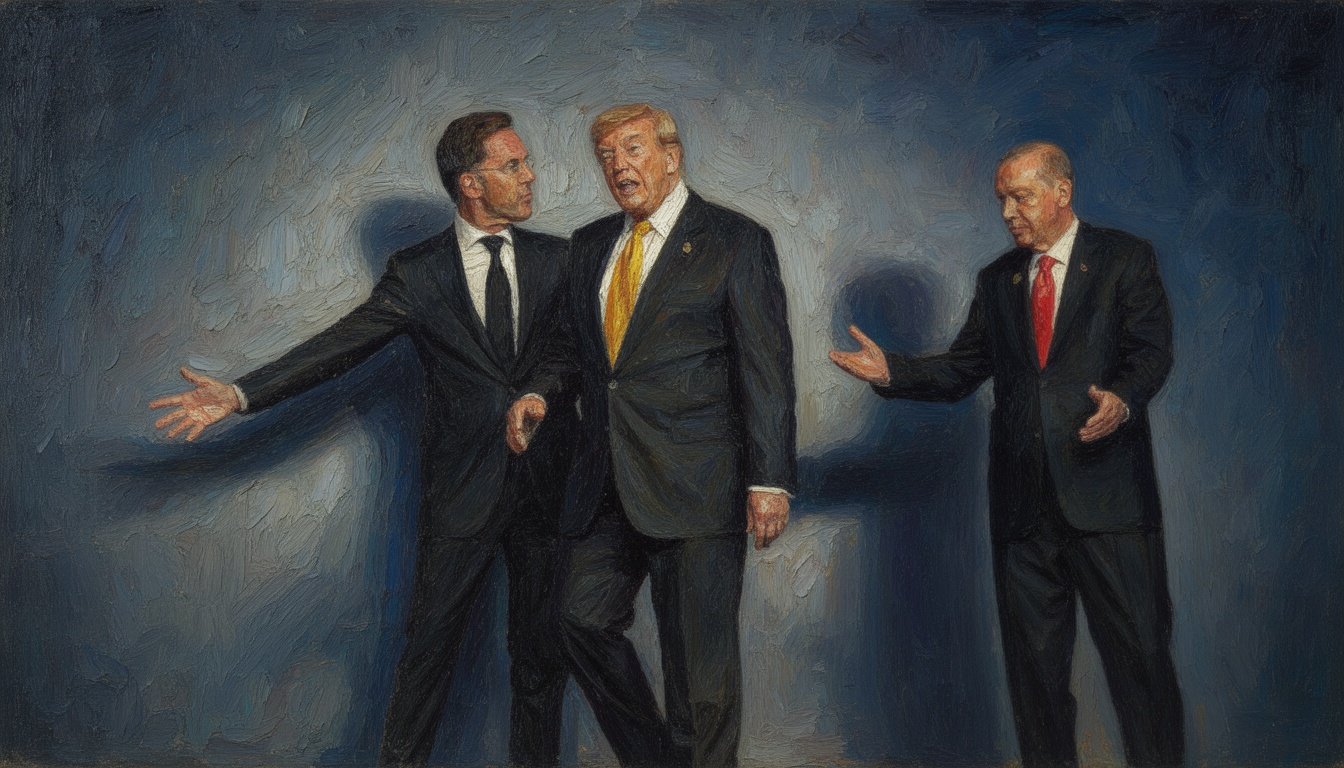
In a week marked by high-stakes discussions, NATO's summit in Ankara has unraveled key geopolitical tensions. The gathering of 32 leaders, including U.S. President Donald Trump, utilized the forum to address urgent security threats, most prominently from Iran. Reports emerging from the summit indicate that President Trump's team rapidly adjusted strategies in response to a perceived assassination threat linked to Iranian operations.
The backdrop to this summit also included critical side meetings. Baltic leaders engaged in discussions with Ukrainian President Volodymyr Zelensky, emphasizing the alliance's growing concern regarding the security situation in Eastern Europe. These dialogues underscored the necessity of strengthening collective defense mechanisms in light of Russian aggression.
Furthermore, a notable diplomatic controversy emerged surrounding gifts presented by Turkish President Recep Tayyip Erdoğan. During the gathering, Erdoğan bestowed ceremonial pistols, complete with ammunition, to various leaders. This act has triggered a significant ethical discussion within the alliance, as leaders debated whether to accept gifts that could be perceived as militaristic.
From a strategic perspective, these events highlight a shifting focus in NATO's security policies towards more proactive stances against threats, particularly from state actors like Iran. The alliance is responding to the complexities of modern warfare, including asymmetric threats posed by rogue states.
The consequences of the summit's discussions are likely to extend well beyond Ankara. Members may reinforce their defenses against Iran and enhance military cooperation, signaling a new collective posture. This summit could mark a pivotal moment in NATO's evolution as it adapts to a rapidly changing global security environment.