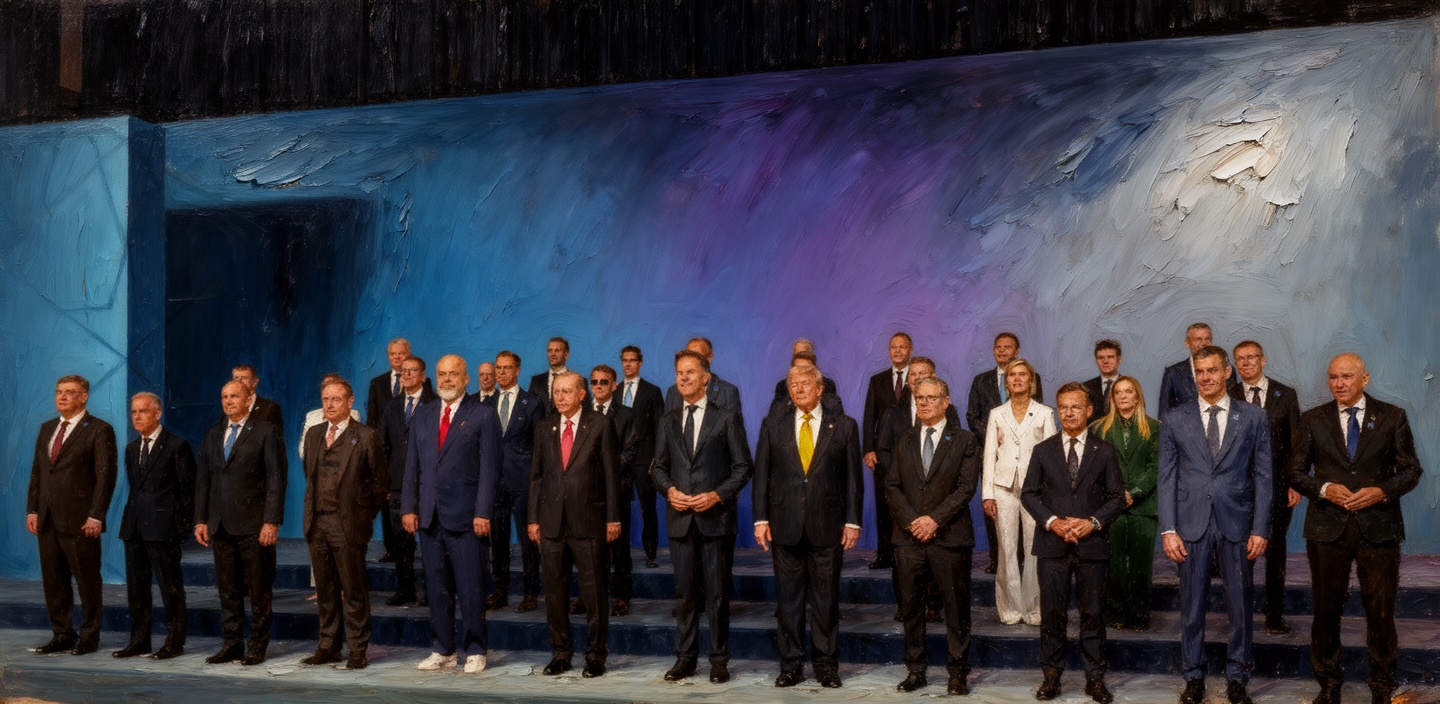
NATO's Indo-Pacific Era Concludes Amid Strategic Reassessment
NATO has officially ended its strategic focus in the Indo-Pacific region, shifting priorities back to Europe. This development carries significant implications for regional security posture and military alliances.
NATO has officially concluded its strategic engagement era in the Indo-Pacific, signaling a return to its traditional focus on European security concerns. This significant shift was announced during the recent NATO summit held in Brussels on October 11-12, 2023, where leaders addressed the evolving security landscape. NATO Secretary-General Jens Stoltenberg emphasized the need to prioritize Europe's defense, citing increasing tensions with Russia and ongoing challenges to stability on the continent.
The Indo-Pacific strategy, which was adopted as a response to China's rising influence and assertiveness, reflected NATO's desire to expand its security partnerships beyond Europe. However, the changing global dynamics, particularly the intensifying conflicts in Ukraine and the shifting priorities of member states, have necessitated a reassessment of this approach. Many NATO allies, including the United States, have expressed concerns that resources are being stretched too thin across multiple theaters.
The strategic significance of this decision cannot be understated. With NATO narrowing its focus back to Europe, it may lead to a recalibration of power dynamics in the Indo-Pacific. Additionally, regional allies may feel uncertain about NATO's continued commitment to their defense, especially in light of China's expansive military operations and territorial ambitions.
Operationally, NATO will refocus its capabilities and resources towards conventional military deterrence in Europe. Increased investments in air and missile defense systems, such as the Aegis combat system and the SAMP/T system, will be prioritized. Moreover, NATO's Enhanced Forward Presence, which includes multinational battle groups stationed in Eastern Europe, will be bolstered to deter potential aggressors effectively.
In conclusion, this shift in NATO's strategic approach signals significant consequences for both European and Indo-Pacific security architectures. As NATO realigns its priorities, the focus will be on enhancing collective defense measures, solidifying alliances, and preparing for a range of threats, particularly from Russia and any new challenges that may arise in the future.