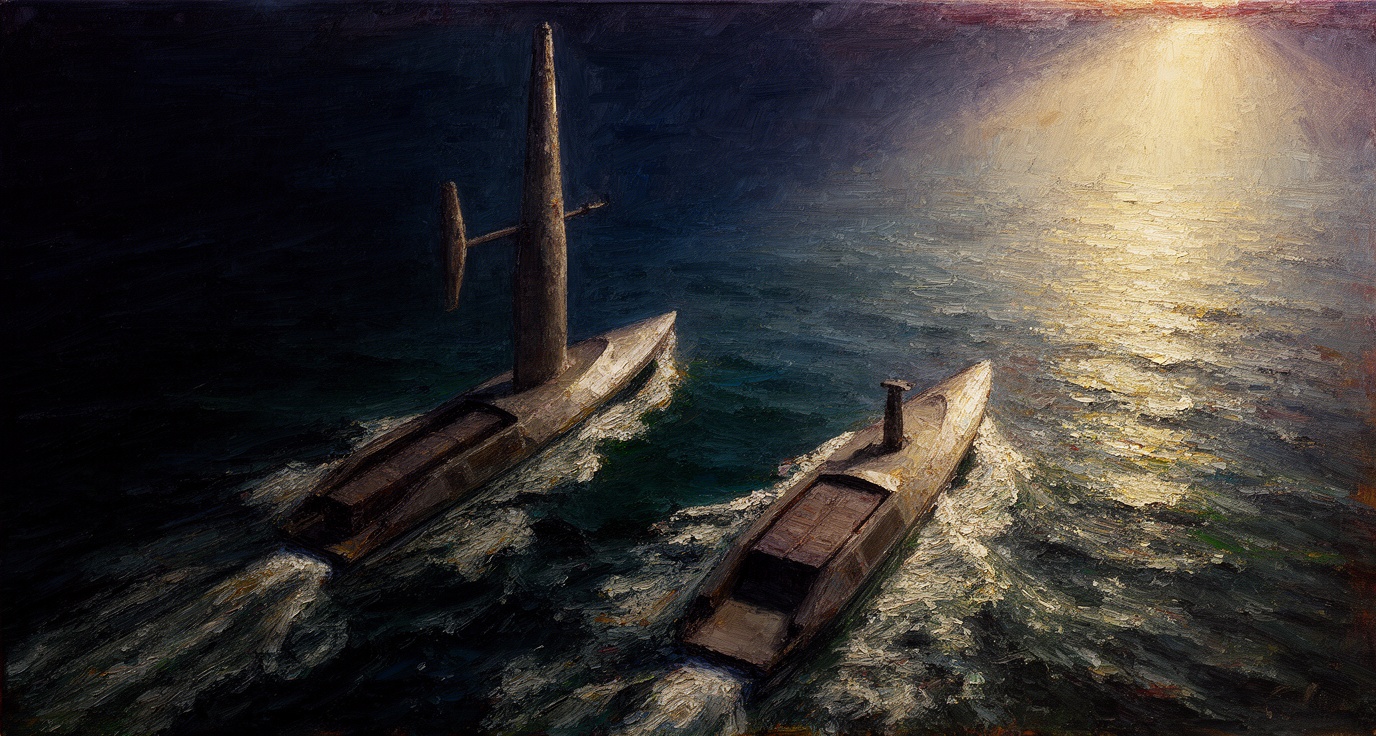
Navy Advances Seven MUSV Submissions to Prototype Phase
The US Navy has approved the advancement of seven submissions for the Medium Unmanned Surface Vehicle (MUSV) program, but details on the selected companies remain undisclosed. This move signals a significant step towards enhancing naval capabilities with unmanned technology.
The US Navy has officially green-lighted seven submissions from various companies to proceed into the prototype phase of its Medium Unmanned Surface Vehicle (MUSV) project. This advancement marks a key milestone in the Navy's ongoing efforts to integrate unmanned systems into its operational framework. However, the Navy has not disclosed which companies' designs have been selected, thereby maintaining a level of confidentiality around the critical advancements being made in unmanned maritime warfare.
The MUSV program aims to develop sophisticated unmanned vessels capable of conducting a range of operations, including surveillance and logistical support, which are crucial for modern naval warfare. These vehicles are expected to enhance situational awareness, extend operational reach, and reduce the risk to human personnel by handling dangerous tasks autonomously. The selection of designs that will progress into the prototype stage reflects the Navy's commitment to developing the next generation of maritime platforms.
From a strategic perspective, this development emphasizes the increasing importance of unmanned systems in naval operations as global maritime challenges continue to evolve. As potential adversaries invest in advanced maritime capabilities, the need for the US Navy to modernize and enhance its fleet with next-generation technologies becomes ever more crucial. By advancing these prototypes, the Navy positions itself to maintain maritime superiority and adaptability in an uncertain global security landscape.
Technical details regarding the specifications of the MUSVs remain scarce until the selected prototypes are unveiled. The program's success hinges not only on technological innovation but also on achieving cost-effectiveness and operational efficiency. Moving forward, continued investment in R&D will be vital for ensuring these unmanned systems can meet the complex demands of future naval operations.
The consequences of this advancement may include accelerated development timelines for unmanned systems, as well as increased competition among defense contractors for participation in the MUSV program. As military maritime engagements become increasingly automated, the implications for future naval strategies will be significant, potentially reshaping the tactics employed in maritime encounters worldwide.