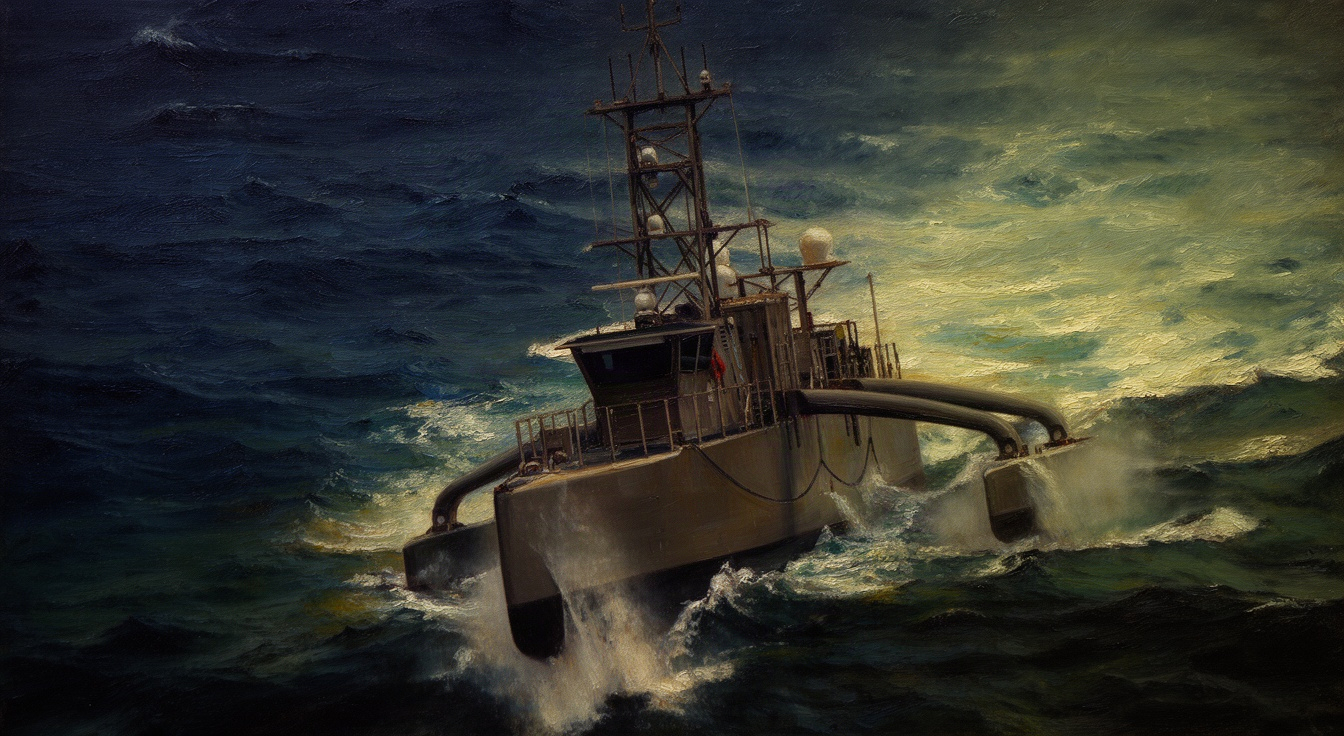
Navy Establishes New Robotic and Autonomous Systems Program
The formation of a new Department of Robotics and Autonomous Systems will enhance naval capabilities. Chris Miller has been appointed as the acting director for this initiative.
The United States Navy has officially announced the establishment of a new program focused on robotic and autonomous systems. This initiative aims to advance naval technology and improve operational capabilities through the integration of automated systems. Chris Miller has been appointed as the acting Director of the Robotic and Autonomous Systems Program Office (DRPM RAS) and the Program Executive Office (PAE RAS) for this new initiative.
Robotic and autonomous systems are becoming increasingly pivotal in modern naval warfare. By investing in these technologies, the Navy intends to enhance its operational effectiveness while reducing the risk to personnel and the costs associated with traditional warfare. The introduction of advanced robotics will enable more efficient mission planning and execution.
Strategically, this program is expected to support the Navy's ongoing efforts in maintaining maritime superiority. Autonomous systems could lead to innovative approaches in intelligence, surveillance, reconnaissance, and logistics, which are vital for modern military operations. As militaries worldwide continuously seek advancements in technology, this initiative positions the Navy to stay at the forefront of emergent warfighting capabilities.
The specifics regarding budget allocation and the planned timeline for the development of various systems under the DRPM RAS are yet to be disclosed. However, this initiative signals a significant commitment to modernizing the naval fleet and enhancing the Navy's technological edge against potential adversaries.
The introduction of the DRPM RAS is likely to trigger further investment in advanced technologies across the entire defense industry. As robotic systems become mission-ready, the implications for operational strategy and defense policy could be profound, shaping the future of naval operations for years to come.