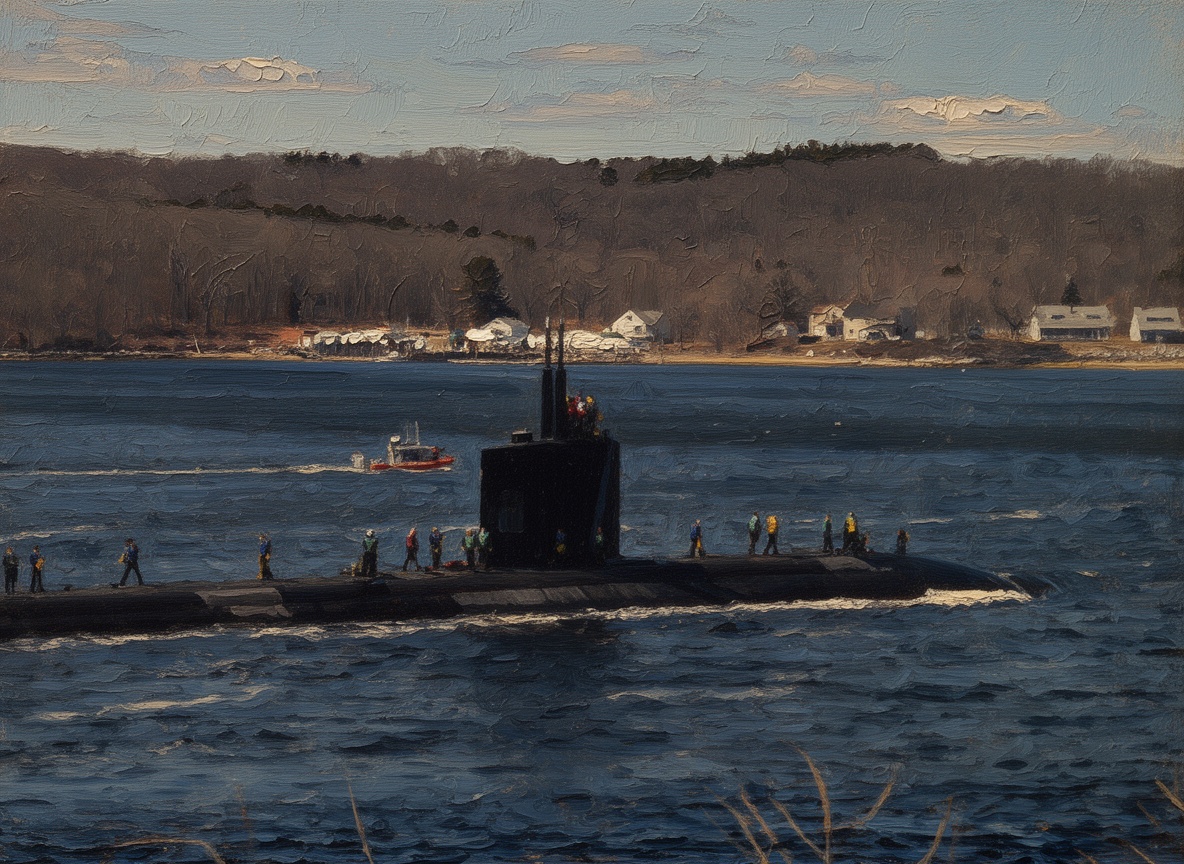
Navy to Inactivate 14 Ships from Fleet This Year
The decision to inactivate 14 vessels reflects strategic realignments within the Navy.
The Navy has announced plans to inactivate 14 vessels from its active fleet this year. This move is part of an ongoing effort to streamline operations and enhance overall fleet readiness. The specific vessels slated for decommissioning include a mix of destroyers, frigates, and support ships, signaling a significant shift in naval strategy and resource allocation.
Historically, the inactivation of ships often reflects broader strategic adjustments within the Navy. This year’s decision comes as the service confronts evolving global threats and seeks to optimize its force structure. The vessels being retired may include older ships that no longer meet the operational needs of the Navy, highlighting the transition towards a more modernized and capable fleet.
Strategically, this action could impact naval operations, particularly in regions where a diminished presence might be felt. Removing these ships from the active fleet could pivot resources toward newer vessels or advanced technologies that align with the Navy's strategic objectives. The focus appears to be on enhancing capabilities in areas such as cyber warfare and maritime security amidst rising geopolitical tensions.
Operationally, the inactivation process will involve a detailed assessment of each vessel's condition and the potential for reactivation in the future. The Navy typically assesses the life-cycle costs versus operational benefits when deciding to retire ships. Older platforms might require extensive maintenance, which can divert valuable resources away from active military readiness.
In conclusion, the inactivation of these 14 ships signals a critical juncture for the Navy as it adjusts to the changing landscape of maritime threats. This decision will likely lead to further discussions regarding fleet composition and readiness in the coming years as the Navy aims to balance modernization with operational demands.